








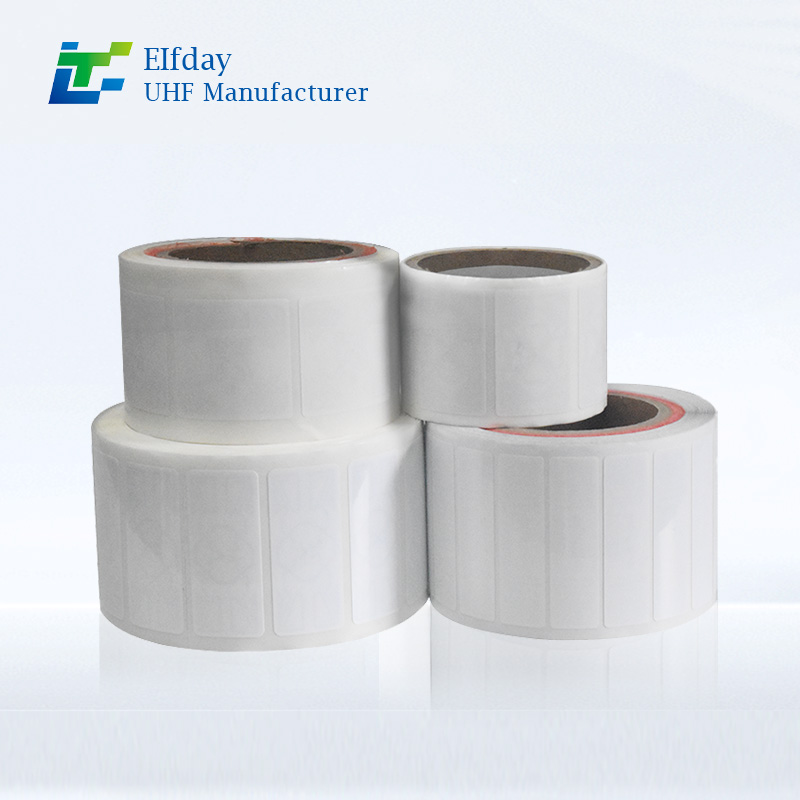
How Tyre RFID Tags Enable Full Lifecycle Tracking?
Ask most fleet managers where a specific tyre is right now – not just which truck, but its exact pressure, tread depth, heat cycles, and remaining life – and you’ll get a shrug. Or a binder full of faded paper.
That’s because traditional tyre tracking stops the moment the tyre leaves the warehouse. You know you bought it. You might know when you fitted it. After that? Guesses.
Tyre RFID tags change that completely. They don’t just identify a tyre. They give you a permanent, unbroken record from the day the tyre is made to the day it’s finally scrapped. That’s what full lifecycle tracking really means.
What “full lifecycle” actually looks like for a tyre
A tyre doesn’t live a simple life. It gets manufactured, stored, shipped, fitted, driven thousands of miles, removed, inspected, possibly retreaded, stored again, refitted, driven more, and eventually recycled.
At every single step, someone needs to know: Which tyre is this? How old is it? What’s been done to it?
Without a reliable ID, information gets lost. And lost information means lost money.
Tyre RFID tags solve that by giving every tyre a digital identity that never fades, never gets smudged, and never falls off.
Stage one: birth in the factory
It starts on the production line. A tyre RFID tag gets embedded into the tyre body – usually during the curing or vulcanisation process. The tag survives the extreme heat and pressure because it’s built specifically for that environment.
At that moment, the tyre is born digital. The manufacturer writes basic data onto the tag:
Unique serial number
Production date
DOT code
Size, load index, speed rating
Batch number and raw material lot
Now that tyre leaves the factory with its own permanent memory. No sticker to peel off. No barcode to wear away.
Stage two: warehouse and distribution
When the tyre arrives at a distributor or fleet warehouse, a worker waves a handheld reader over the stack. In seconds, every tyre RFID tag reports its identity. The system knows exactly what came in, from which batch, and where each tyre is stored.
No manual data entry. No tyres lost in a dark corner of the warehouse.
When an order goes out, the reader confirms which specific serial numbers are loaded onto the truck. The customer receives a digital packing list that matches the physical tyres to the last digit.
Stage three: fitting and first use
The moment a fitter installs the tyre onto a vehicle, they scan the tyre RFID tag. The system records the date, the vehicle registration, the axle position, and the starting tread depth.
Now you have a permanent link between that tyre and that vehicle. If the tyre moves to another truck later, you scan again. The history follows the tyre, not the vehicle.
Drivers no longer have to guess which tyre is which. If a pressure warning goes off, they can scan each tyre and instantly see its full history – including past repairs or known weak spots.
Stage four: in‑service tracking (where most people give up)
This is the messy middle. Tyres get rotated, repaired, swapped between vehicles, stored over winter, and loaned to other depots. Paper records fall apart here.
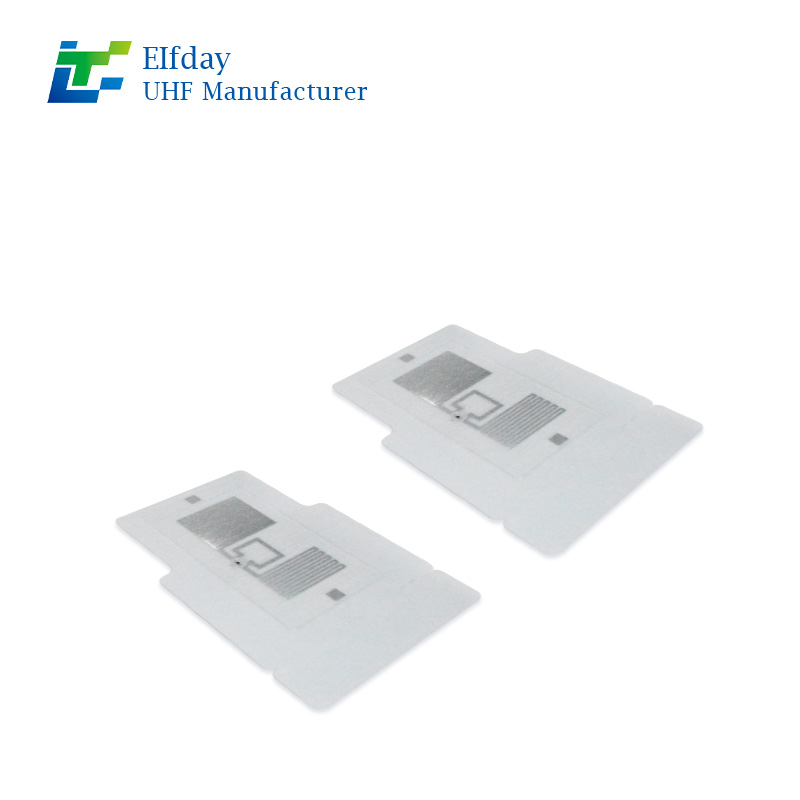
Tyre RFID tags thrive here.
Every time someone checks pressures, inspects tread, or records a repair, they scan the tag. The reader pulls up that tyre’s history, and the operator adds a new record – date, mileage, tread depth, any damage noted.
Over weeks and months, you build a complete maintenance log for every single tyre. You see exactly how many kilometres each tyre has done, how its wear pattern looks, and whether it’s starting to show irregular wear.
You also see what you can’t see with paper: patterns. Three tyres from the same batch all showing shoulder wear? Maybe a production issue. Left‑side tyres wearing faster on one truck? Time to check alignment.
Stage five: removal and retread decision
The day comes when a tyre’s tread reaches its legal limit – or a driver reports damage. The tyre comes off the vehicle.
Now you face a decision: scrap it, repair it, or send it for retreading.
With a tyre RFID tag, that decision is easy. You scan the tag and see:
How many times this casing has been retreaded before
Whether it has ever suffered impact damage
The exact number of heat cycles it has experienced
Any previous repairs and their locations
Retreaders love this. A clean history means they know exactly what they’re working with. They can quote faster, work more safely, and guarantee the retread because they aren’t guessing about hidden damage.
Without the tag, you either retread blindly (risky) or scrap a casing that might have been perfectly good (wasteful).
Stage six: second life (and third, and fourth)
After retreading, the tyre goes back into service. The original tyre RFID tag is still there – still readable, still holding the full history. The retreader adds a new record to the tag: date of retread, type of tread compound used, inspector’s ID.
Now the tyre starts its next life, but nothing from its past is lost. You know it’s a retread. You know its original birth date. You know how many previous lives it has had.
That matters for safety. Most regulations limit the number of times a casing can be retreaded. With tyre RFID tags, you never accidentally exceed that limit.
Stage seven: end‑of‑life and recycling
Eventually every tyre reaches the end. The casing is too worn, too damaged, or has exhausted its retread allowance.
Even then, tyre RFID tags provide value. The recycler scans the tag and knows exactly what materials the tyre contains – which rubber compounds, whether it has steel belts, what kind of fabric reinforcement. That data makes recycling more efficient and more profitable.
Some regions now require proof that end‑of‑life tyres were properly processed. The tag gives you that proof. You scan it one last time, record the recycling date and facility, and close the loop.
Why this matters for your operation (beyond just tracking)
Full lifecycle tracking with tyre RFID tags does three things that directly hit your bottom line.
First, it stops waste. You stop scrapping tyres that still have life. You stop retreading casings that should have been scrapped. You stop buying new tyres because you lost track of perfectly good ones in storage.
Second, it catches problems early. A tyre that’s running low on pressure or showing uneven wear gets flagged long before it blows out or destroys a casing. You fix it cheap, not expensive.
Third, it gives you leverage. When a supplier tries to deny a warranty claim because “we can’t verify the tyre’s history,” you scan the tag and hand them the full record. When a retreader quotes you a higher price for “unknown casings,” you show them the clean history and ask for the better rate.
A real example from the field
A logistics company with two hundred trailers started using tyre RFID tags on their drive tyres. Within six months, they found that twelve percent of their tyres were being removed and stored for later use – and never actually used again. Those tyres just sat in a corner, slowly aging out.
Without the tags, nobody knew. The paper log showed “tyre removed, stored.” But which tyre? Where? For how long?
With tags, they did a single warehouse scan. The reader found every stored tyre, showed its last removal date, and flagged the ones that had been sitting for over a year. Those tyres went straight to retreading instead of rotting away.
That single discovery paid for the entire tyre RFID tags system twice over.
Getting started without turning your operation upside down
You don’t need to tag every tyre overnight. Start with one vehicle type – your long‑haul trucks, your heaviest‑use trailers, or your most expensive off‑road tyres.
Choose a simple reader. Most tyre RFID tags work with standard UHF readers you can buy off the shelf. You don’t need a million‑dollar fixed portal.
Pick a basic software platform. Many are free for small fleets. You just need to record scan events and attach notes.
Then start scanning. Every time a tyre moves, gets checked, or comes off a vehicle, scan it. Add a short note. Build the habit.
Within three months, you’ll have a real history. Within six, you’ll see patterns you never noticed before. Within a year, you’ll wonder how you ever managed tyres with blindfolds on.
The bottom line
Full lifecycle tracking isn’t a luxury anymore. It’s becoming a requirement – especially with regulations like the EU Digital Product Passport on the horizon. But even without regulations, it just makes business sense.
Tyre RFID tags give you something you’ve never had before: complete visibility. From the factory floor to the recycling shredder, you know exactly where every tyre is, what it’s been through, and what it’s worth.
Stop guessing. Start tracking.
Want to see how tyre RFID tags would work for your specific fleet size and tyre types? Tell us what you’re running – we’ll show you a realistic example based on real customer data.