








How to Choose the Right RFID Tags for Food Tracking in Harsh Environments
In the fast-paced world of food production and logistics, visibility is everything. From the moment a batch of raw meat leaves a processing plant to the second it arrives at a commercial kitchen, knowing exactly where that product is—and what condition it’s in—is critical. But when your operational environment involves freezing temperatures, high-pressure washdowns, steam, or corrosive substances, standard tracking solutions often fail. This is where the right RFID tags for food tracking become not just a convenience, but a necessity.
Selecting the right radio frequency identification solution for food logistics is about more than just reading a barcode from a distance. It’s about durability, data integrity, and seamless integration into workflows that are often unforgiving. If you are responsible for supply chain management, quality assurance, or operations in the food industry, understanding how to match the right tag to your environment will save you time, reduce waste, and protect your brand’s reputation.
Understand the Enemy: What Makes an Environment “Harsh”?
Before diving into specifications, you must define the conditions your tags will face. In the food sector, “harsh” can mean several things, often simultaneously.
For Cold Chain operations, tags must endure extreme cold. A tag attached to a pallet of frozen seafood might be subjected to temperatures as low as -30°C for weeks. Conversely, the same tag might later pass through a heat tunnel or a steam-cleaning station where temperatures spike above 80°C.
Then there is the physical stress. High-pressure water jets used during sanitation cycles can peel off poorly adhered labels. Chemical exposure—such as bleach, ammonia, or strong alkaline detergents—can degrade standard plastics and adhesives within weeks. If you are tracking individual items like meat carcasses or reusable plastic containers (RPCs), the tags may also face abrasion from vibration or impact during transit.
A successful deployment starts with an honest assessment of these stressors. If you underestimate the physical demands, even the most expensive RFID tags for food tracking will fail prematurely, leaving you with read errors and gaps in your data.
Tag Form Factors: Matching the Medium to the Application
One of the biggest mistakes buyers make is focusing solely on the chip inside the tag while ignoring the housing. In food environments, the form factor dictates survivability.
For returnable assets like totes, pallets, or crates, you typically want a rugged, industrial-grade tag. These are often encapsulated in hard, durable materials such as polypropylene or epoxy. These hard-shell tags are designed to withstand forklift impacts and repeated freezing cycles. They can be screwed into plastic or embedded into the material of the container, ensuring they stay attached for the lifespan of the asset.
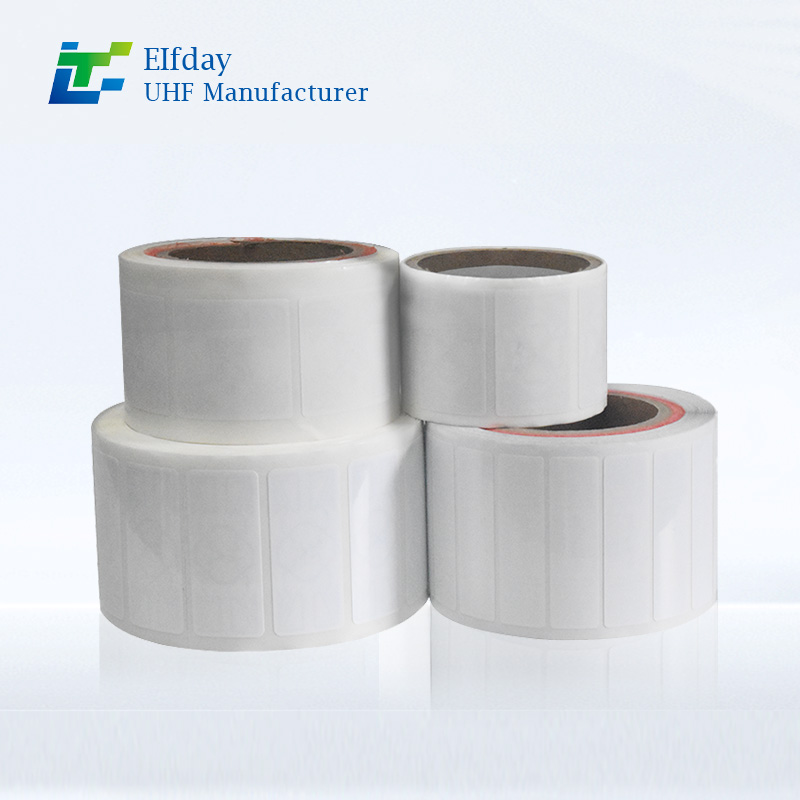
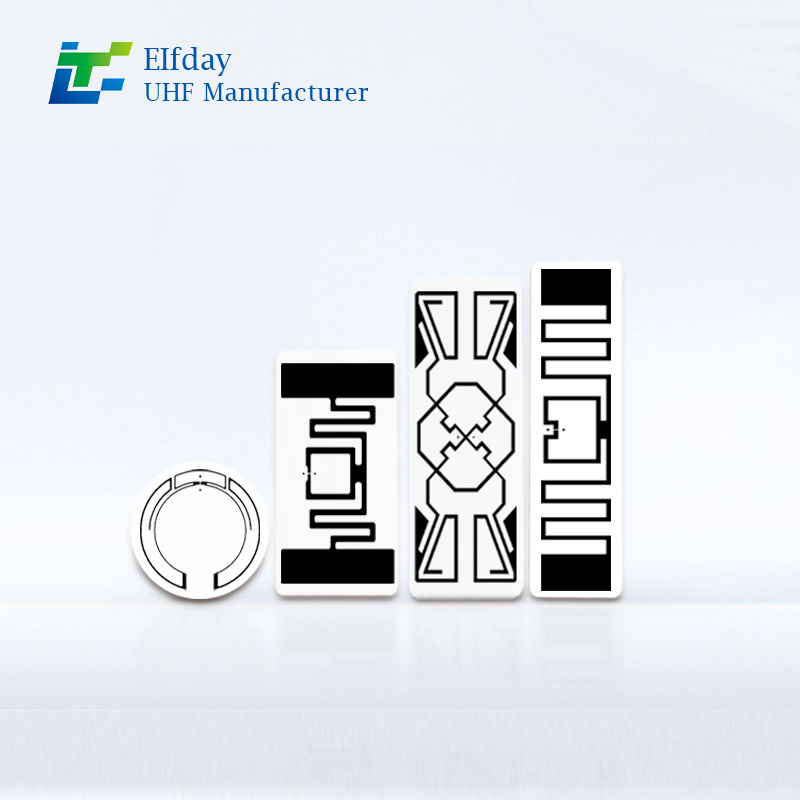
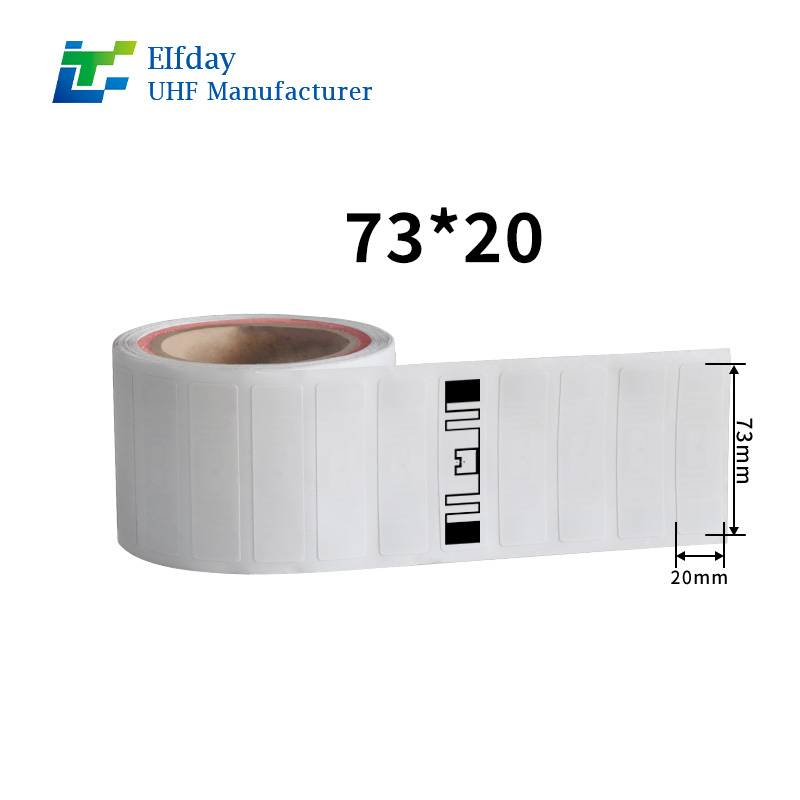
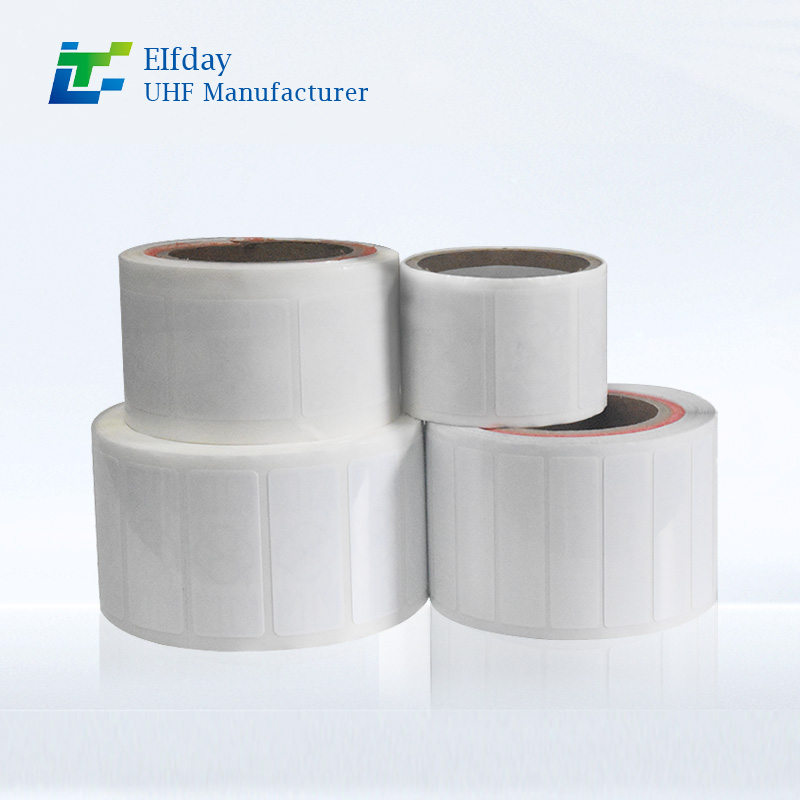
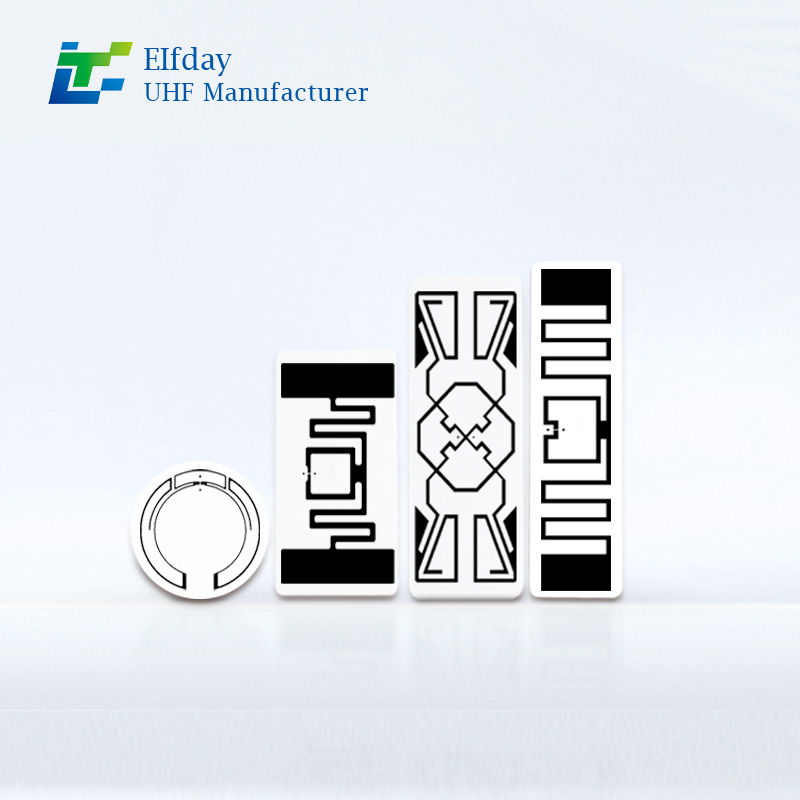
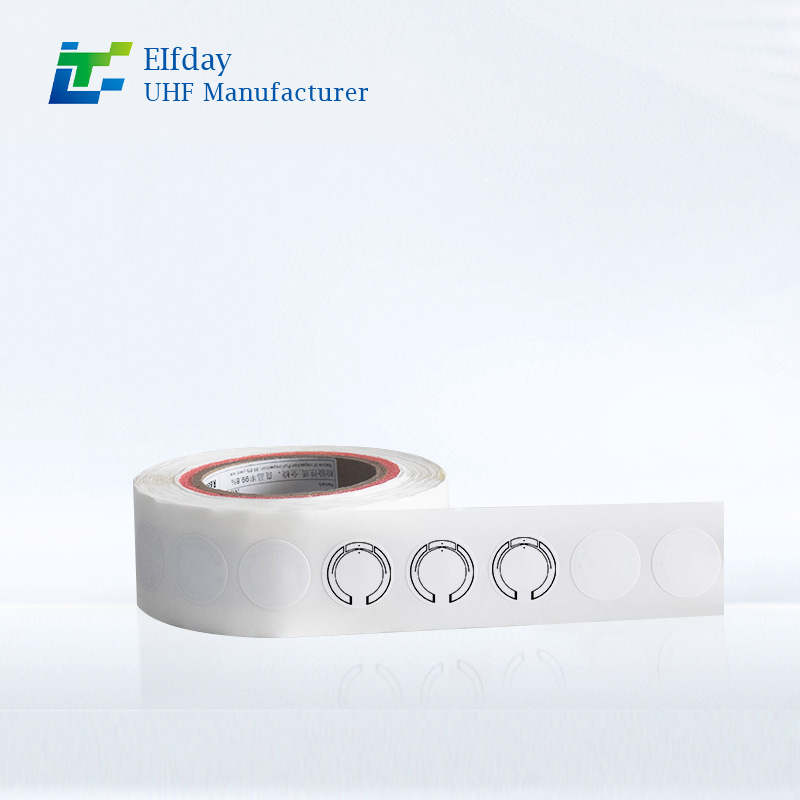
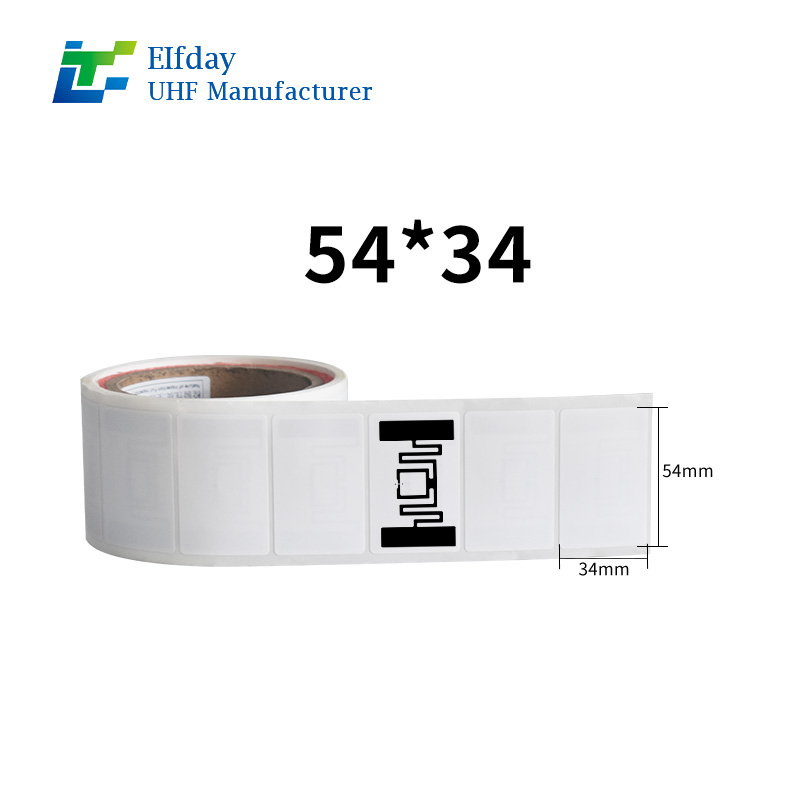
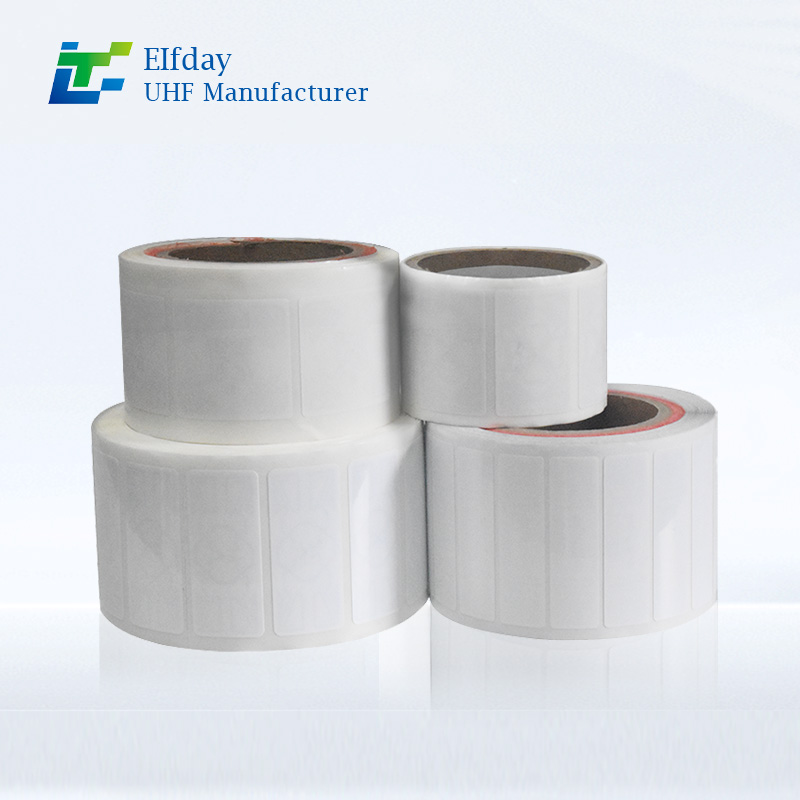
For individual items or corrugated cardboard cases, a flexible inlay or high-performance label is more appropriate. However, standard paper-faced labels will disintegrate in a wet or frozen environment. Look for labels with a synthetic face stock—such as polyester or polypropylene—and a permanent, rubber-based or acrylic adhesive specifically engineered for low-surface-energy materials or cold temperatures. A label that looks secure at room temperature often falls off after 24 hours in a freezer.
Another emerging form factor is the high-temperature tag, often used in food manufacturing plants where items move from ovens to freezers. These tags typically use ceramic or specialized polymer substrates that resist thermal shock, ensuring the antenna remains tuned and readable despite rapid temperature swings.
Frequency Selection: UHF vs. HF in Food Settings
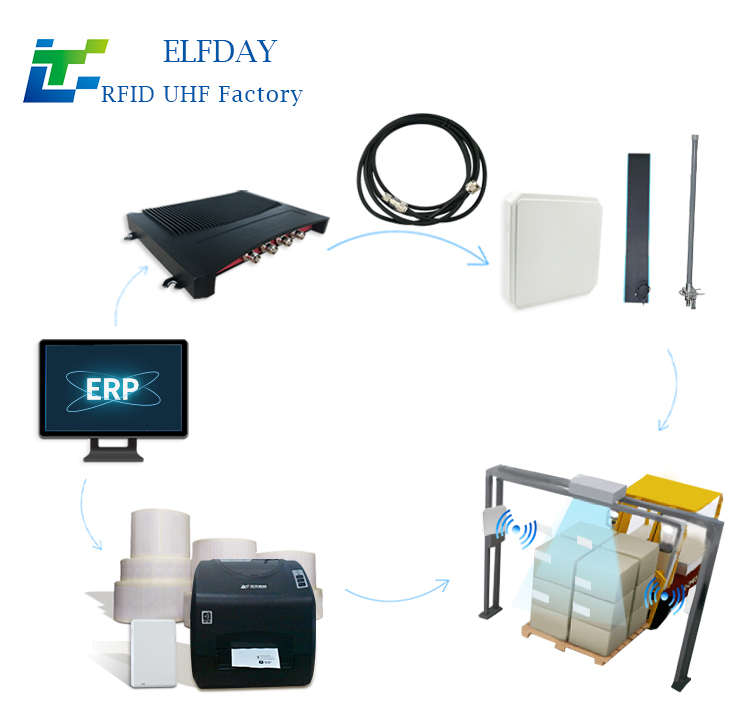
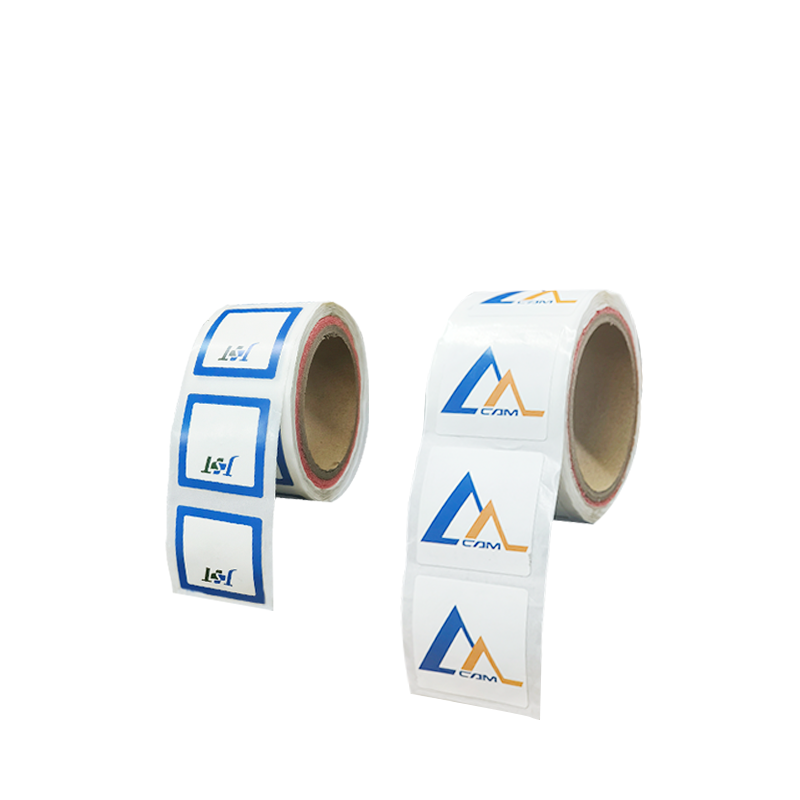
The frequency you choose will significantly impact your read range and data reliability. For most food supply chain applications, Ultra-High Frequency (UHF) RFID is the standard because it allows for bulk reading. You can drive a forklift through a dock door and read every tagged pallet on the truck instantly.
However, UHF RFID tags for food tracking face a unique challenge: liquids and metals. Water and high-moisture content—common in fresh meat, produce, and beverages—absorb UHF radio waves. If a UHF tag is placed directly against a wet surface or a metal drum, the read range can drop from meters to inches.
If your application involves tracking individual wet items or products in metal packaging, you may need to consider High-Frequency (HF) or Near-Field Communication (NFC) tags. HF is less affected by liquids and metals. While the read range is shorter (typically under a meter), the read reliability is often higher for dense, wet environments. Many food processors use a hybrid approach: UHF for pallet-level tracking through supply chain checkpoints, and HF for item-level verification at packing stations.
On-Metal vs. On-Polymer: The Material Matters
A critical factor in selecting RFID tags for food tracking is the surface to which the tag will be attached. RFID tags react differently depending on the material behind them.
If you are tagging metal containers, kegs, or industrial racks, you need an “on-metal” tag. These tags are designed with a specific layer that isolates the antenna from the metal surface, preventing detuning. Using a standard tag on metal will result in a dramatic loss of read range or complete failure.
Conversely, if you are tagging plastic totes, cardboard, or directly onto food packaging, you have more flexibility. However, if the plastic contains carbon black (common in reusable containers to add strength), it can also interfere with RF signals. In these cases, you need to test tags on the exact material to ensure the read distance meets your operational requirements.
Durability Ratings: Decoding IP and IK
To avoid confusion, look for standardized durability ratings. The Ingress Protection (IP) rating tells you how well the tag resists solids and liquids. For food environments that undergo washdowns, an IP68 or IP69K rating is the gold standard. IP69K specifically indicates that the tag can withstand high-pressure, high-temperature spray-downs—a common sanitation requirement in USDA and FDA-regulated facilities.
Additionally, consider the operating temperature range. A tag rated for -40°C to +85°C is suitable for most cold chain logistics. If the tag will be used in cooking or sterilization processes, ensure the heat tolerance extends to 200°C or higher, even if only for short durations.
Memory and Data Structure: More Than Just an ID
Modern food tracking isn’t just about knowing “where” an item is; it’s about knowing “what” and “when.” The rise of the Food Safety Modernization Act (FSMA) and similar global regulations emphasizes traceability. You need to be able to recall not just the location of a product, but its harvest date, processing batch, and temperature history.
Therefore, when selecting RFID tags for food tracking, consider the memory capacity. Standard tags typically offer 96 to 128 bits of Electronic Product Code (EPC) memory, which is sufficient for a unique ID. However, if you want to store lot numbers, expiration dates, or sensor data directly on the tag, you will need a tag with user memory—often 512 bits or more. This allows for “carrier data,” meaning you don’t always need to query a cloud database to get basic information about the item.
Integration with Sensors: The Next Level
For high-value food items, passive RFID tags are evolving into “smart” data loggers. Some specialized RFID tags for food tracking come equipped with built-in temperature sensors. These tags can record whether a case of vaccines, seafood, or dairy products exceeded the safe temperature threshold during transit.
While these sensor tags are more expensive than standard ones, they drastically reduce the need for manual quality checks and enable dynamic shelf-life management. Instead of discarding an entire shipment because of a suspected temperature excursion, you can read the tag at the receiving dock and instantly know which specific cases passed or failed the safety parameters.
Testing Before Deployment
No matter how perfect a tag looks on paper, real-world conditions vary. Before committing to a large-scale purchase, conduct a pilot. Take a sample of the candidate tags and subject them to your actual environment. Run them through your freezers. Wash them with your sanitation chemicals. Drive over them with a pallet jack. Scan them through the materials they will be attached to.
During this pilot, pay attention to read consistency. A tag that reads 100% of the time in a lab but only 80% of the time on your loading dock will create operational friction. Your team will lose trust in the system, and you will lose the ROI you were targeting.
The Cost of Failure
It is tempting to opt for the cheapest RFID tags for food tracking to keep initial costs low. However, in harsh environments, cheap tags are expensive liabilities. A failed tag means a broken chain of custody. If a recall occurs, you cannot afford to have “blind spots” where you lost track of a batch.
Furthermore, labor costs are often higher than tag costs. If your staff spends time re-tagging failed labels or manually entering data because an RFID read failed, the hidden labor costs quickly eclipse the savings from buying a lower-tier tag. Choose a tag that is certified by the manufacturer for your specific use case. Reputable manufacturers like Alien Technology, Avery Dennison, or HID offer warranties or performance guarantees for their industrial lines.
Future-Proofing Your Selection
As you evaluate your options, consider scalability. Are you tracking items today just within your four walls? Or do you plan to extend visibility to your retail partners or end consumers? If so, ensure the tag you choose complies with industry standards like GS1’s TIPP (Tagged Item Performance Protocol) rating system. TIPP ratings help you compare tag performance across vendors for specific item types, ensuring consistency regardless of who supplies the consumable.
Additionally, think about sustainability. Many food companies are moving toward circular economy models, reusing plastic crates and pallets. If you are tagging returnable assets, ensure the tag can survive not just one trip, but hundreds. A tag that fails after 50 cycles forces you to choose between frequent replacement costs or accepting data gaps.
Choosing the right RFID tags for food tracking in harsh environments is a strategic decision that impacts food safety, operational efficiency, and profitability. It requires a clear understanding of your physical environment—be it freezing temperatures, chemical washdowns, or physical abrasion—and a careful selection of tag frequency, form factor, and durability ratings.
By investing in robust, appropriately tested tags designed for the specific stressors of the food supply chain, you ensure that your visibility remains intact from the production line to the point of sale. You reduce waste from spoilage, eliminate manual data entry errors, and build a traceability system that can stand up to the scrutiny of regulators and the demands of modern consumers.
When in doubt, partner with a trusted RFID integrator who can guide you through the technical nuances. The right tag doesn’t just survive the harsh environment; it empowers your team to operate with confidence, knowing that the data you rely on is accurate, complete, and actionable—every time.