








How to Extend the Lifespan of Your UHF RFID Tags
In today's fast-paced world, UHF RFID tags have become a crucial component in many industries, from inventory management to asset tracking. These tags offer the convenience of remote identification and tracking, which makes them invaluable in various sectors. However, to maximize the value of your UHF RFID tags, it’s essential to ensure their longevity. In this article, we'll explore some practical tips on how to extend the lifespan of your UHF RFID tags, ensuring that they continue to perform optimally for years to come.
1. Choose High-Quality UHF RFID Tags
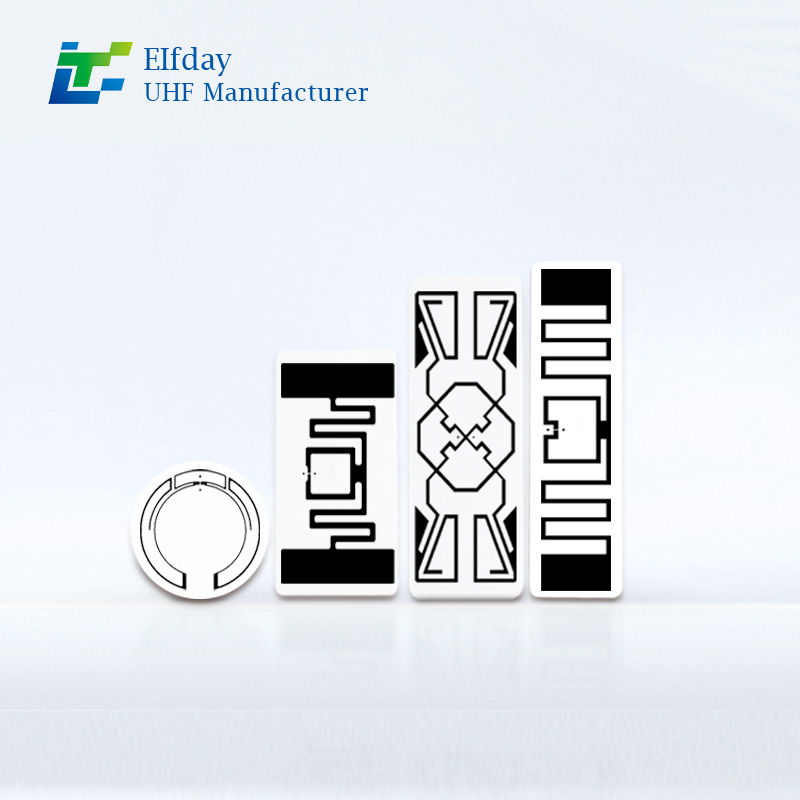
The first step in prolonging the lifespan of your UHF RFID tags is to start with quality. High-quality tags are designed to withstand harsh conditions and offer better durability. When selecting your tags, be sure to choose those that are specifically designed for your environment—whether it's for outdoor use, high-temperature areas, or exposure to chemicals. The quality of the materials and construction will greatly affect the tag's ability to endure over time.
2. Proper Placement and Installation
The placement and installation of your UHF RFID tags can significantly impact their longevity. Ensure that the tags are placed in a location where they are protected from physical damage, such as extreme temperatures, moisture, and direct sunlight. For instance, placing the tags on metal surfaces without proper insulation can interfere with the RFID signal and decrease their effectiveness. To get the most out of your tags, it's essential to install them in areas that allow for optimal signal transmission and protection from the elements.
3. Regular Maintenance and Cleaning
Maintaining your UHF RFID tags is crucial for extending their lifespan. Regularly check your tags for wear and tear, especially if they are used in environments with high traffic or harsh conditions. Cleaning your tags can prevent dirt, dust, and other debris from interfering with their functionality. Use a soft cloth and mild cleaning solution to wipe them down, avoiding abrasive materials that can scratch the surface. Proper maintenance ensures that your tags remain readable and effective throughout their use.
4. Avoid Overexposure to Extreme Conditions
Extreme environments can be damaging to your UHF RFID tags, leading to reduced lifespan and functionality. Exposure to extreme heat, humidity, or chemicals can cause the tags to degrade over time. Whenever possible, avoid placing tags in areas where they might be exposed to such conditions. If your tags need to be used in harsh environments, consider investing in industrial-grade UHF RFID tags that are built to withstand more extreme conditions.
5. Monitor and Optimize the RFID System
Regularly monitoring the performance of your RFID system can also help extend the lifespan of your tags. If you notice any reading errors or inconsistencies, it may indicate that the tag or the system needs adjustment. Ensuring that your RFID readers are functioning correctly and that tags are within optimal range for scanning can prevent unnecessary wear on the tags. Regularly optimizing your RFID system can help maintain its performance and prolong the life of your UHF RFID tags.
6. Upgrade to Latest Technology
UHF RFID technology is constantly evolving, and newer models may offer enhanced durability, longer range, and more resistance to environmental stressors. Upgrading your RFID tags to the latest technology can not only improve their lifespan but also enhance the overall performance of your RFID system. Keeping up with the latest advancements ensures that you’re always using the most efficient and long-lasting tags available.
7. Protect from Physical Damage
UHF RFID tags can be vulnerable to physical damage, particularly in environments with high friction, sharp edges, or heavy objects. When handling or transporting items with RFID tags, ensure that they are protected from such risks. You can use protective cases or coatings for additional protection, especially in high-risk areas like warehouses or construction sites. Physical protection helps prevent tag damage and prolongs their usefulness.
UHF RFID tags are indispensable tools for many businesses, offering efficiency and accuracy in tracking and managing assets. By following these tips—choosing quality tags, ensuring proper placement, maintaining regular upkeep, avoiding extreme conditions, and monitoring your system—you can extend the lifespan of your UHF RFID tags and ensure they continue to deliver high performance. Investing in the right RFID tags and taking care of them can save you time and money in the long run, making them a valuable asset to your business.
When you prioritize the longevity of your UHF RFID tags, you're not just investing in a piece of technology—you're ensuring the smooth operation of your business for years to come. If you’re looking for durable and high-quality UHF RFID tags, make sure to choose products that meet your specific needs and environmental demands. Take care of your tags, and they’ll take care of your business!