








How to Improve Read Range with UHF RFID Tags
In the world of asset tracking, inventory management, and logistics, UHF RFID tags have become a game-changer. Their ability to track items over longer distances and at faster speeds has made them essential for businesses aiming to streamline their operations. However, one key challenge that many face with UHF RFID technology is ensuring optimal read range. In this article, we’ll explore how to improve the read range of UHF RFID tags, helping you maximize the efficiency of your RFID system.
What Are UHF RFID Tags?
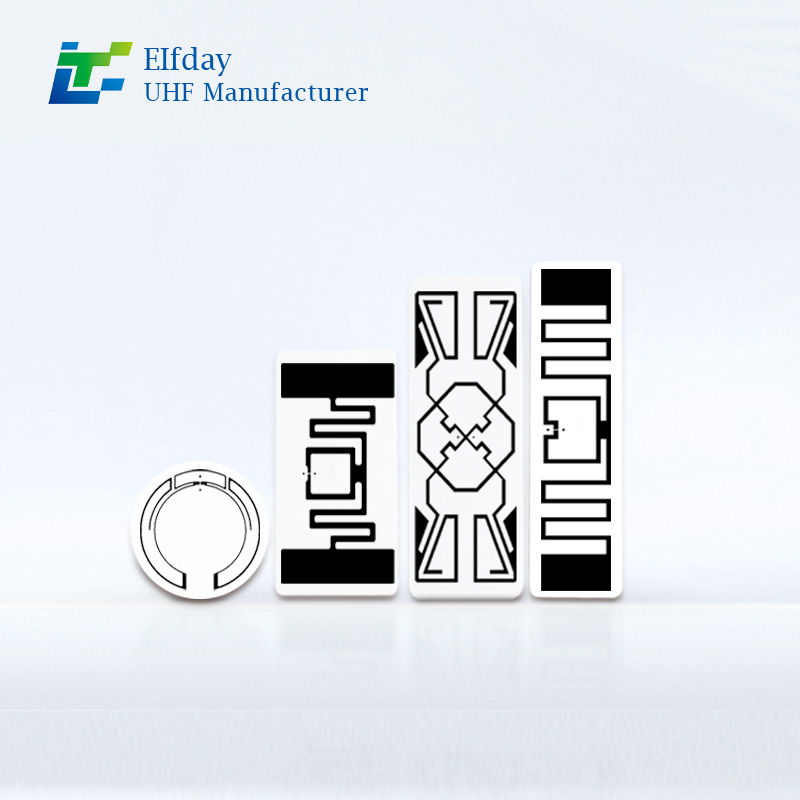
Ultra-High Frequency (UHF) RFID tags are an integral part of modern tracking and identification systems. Operating at frequencies between 860 MHz and 960 MHz, UHF RFID tags can read objects from several meters away, which is a significant advantage over other RFID technologies like LF or HF RFID tags. However, achieving the maximum possible read range involves optimizing several factors.
Factors Affecting UHF RFID Tag Read Range
Tag Orientation and Placement
The orientation of the RFID tag in relation to the reader plays a significant role in the read range. Tags should ideally be placed with the antenna facing the reader to ensure strong signal transmission. Avoid placing tags on metal or liquids, as these can interfere with the RFID signal, reducing the read range.
RFID Tag Quality
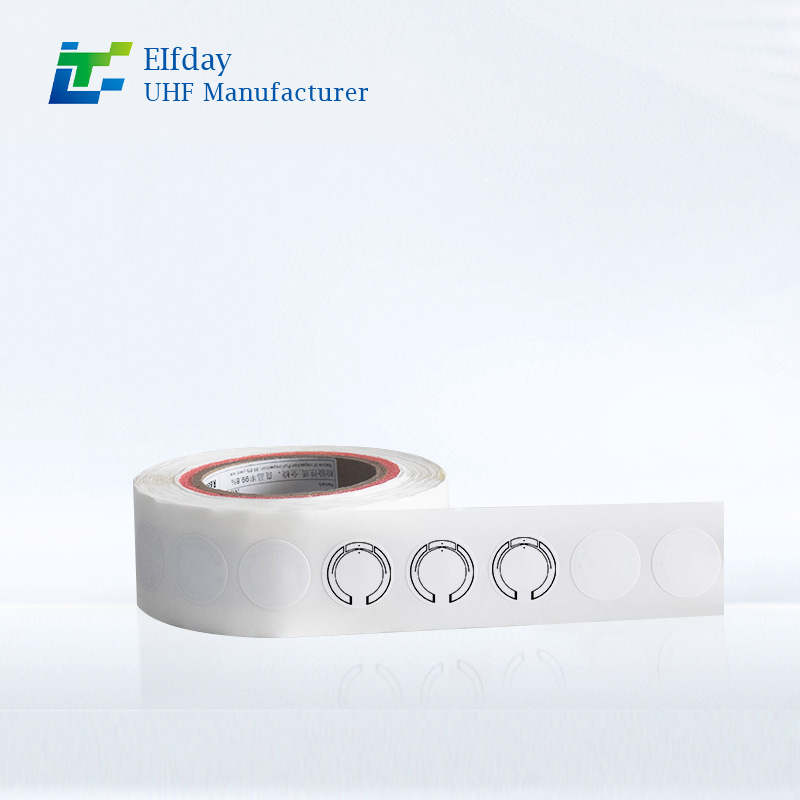
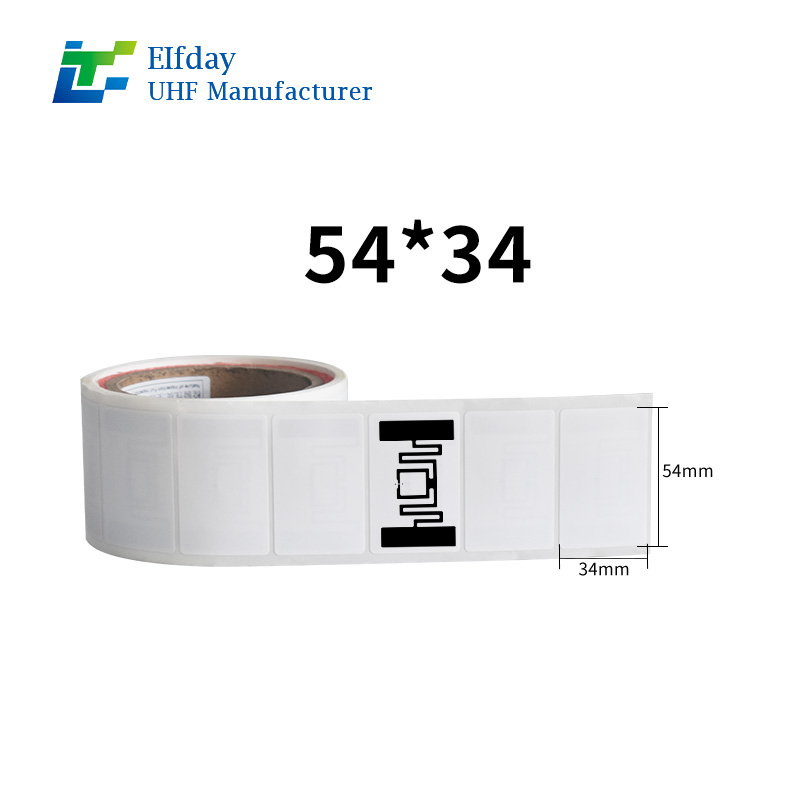
Not all UHF RFID tags are created equal. High-quality tags, made with durable materials and advanced chip technology, typically provide a greater read range. When choosing UHF RFID tags, ensure that they meet the specific needs of your application and environment.
Antenna Choice and Placement
The antenna used with the UHF RFID system is critical for achieving a wide read range. Antennas with higher gain and optimal placement can enhance the overall system performance. Consider using directional antennas for focused reads or omnidirectional antennas for more flexible coverage.
Power Settings
The read range of UHF RFID tags can be affected by the power output of the RFID reader. Increasing the power settings can extend the read range, but this might lead to interference with other devices. It’s essential to balance power settings to ensure that the system operates efficiently without causing signal congestion.
Environmental Factors
Environmental conditions such as temperature, humidity, and interference from other electronic devices can impact the performance of UHF RFID tags. In harsh environments, it’s recommended to use tags that are specifically designed for those conditions (e.g., ruggedized RFID tags for outdoor use).
How to Improve UHF RFID Read Range
Optimize Tag Placement
Placing RFID tags in strategic locations can significantly improve the read range. For example, tags should be positioned at the highest point of an item or container, with minimal obstructions between the reader and the tag. Avoid placing tags directly on metal surfaces or near large bodies of liquid, as these materials can absorb or deflect the RFID signals.
Use High-Performance UHF RFID Tags
Invest in high-performance UHF RFID tags designed for long-distance reading. Look for tags that are compatible with your specific application, such as tags with stronger antennas or those made for use in extreme conditions.
Upgrade Your RFID Reader and Antennas
If your current system has limitations, consider upgrading to a more powerful RFID reader and antenna setup. Antennas with higher gain or different polarizations can help extend the read range. Directional antennas are also useful in environments where precise reads are needed over longer distances.
Tune the System for Optimal Power Output
Fine-tune the power settings on your RFID reader to find the balance between maximum read range and signal clarity. Increasing the output power can help improve the read distance, but it's essential to ensure that this does not result in interference with nearby systems.
Leverage Multiple Antennas
In large-scale deployments, using multiple antennas can help extend the coverage area. Multiple antennas placed in various locations can ensure that tags are read from different angles, improving the read range and overall reliability of the system.
Why Read Range Matters for Your Business
Improving the read range of UHF RFID tags can dramatically enhance the efficiency and accuracy of your operations. Whether you’re tracking high-value assets, managing inventory, or monitoring the movement of goods in a warehouse, extending the read range ensures that your RFID system performs at its best. A longer read range means fewer missed scans, faster processing, and increased throughput—all of which contribute to greater operational efficiency and cost savings.
By optimizing the factors that influence UHF RFID read range, businesses can unlock the full potential of their RFID systems. With the right strategy, UHF RFID tags can deliver unparalleled accuracy and reliability, making them a vital tool for asset management, supply chain tracking, and beyond.
Improving the read range of UHF RFID tags involves understanding the key factors that influence their performance, from tag quality to environmental considerations. By optimizing your system’s setup—whether that’s selecting high-quality RFID tags, adjusting power settings, or upgrading antennas—you can boost the efficiency of your RFID system, leading to more accurate readings and better overall performance.
For businesses looking to improve their RFID systems, taking these steps not only enhances functionality but also increases operational efficiency and customer satisfaction. Invest in the right UHF RFID tags today and watch your business benefit from better asset tracking and inventory management.