







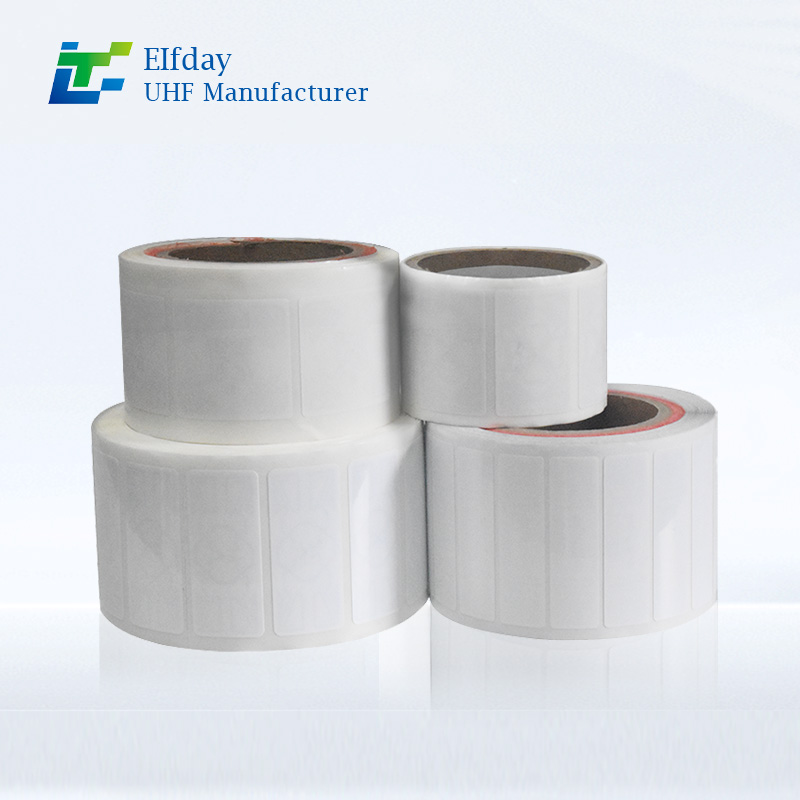
How to Integrate RFID Stickers into Your Business Operations
In today’s competitive business environment, efficiency and accuracy are key drivers of success. One of the most powerful tools for achieving these goals is RFID (Radio Frequency Identification) technology, particularly RFID stickers. By incorporating RFID stickers into your business operations, you can streamline inventory management, reduce errors, and enhance overall productivity. In this article, we'll explore how to successfully integrate RFID stickers into your business processes, from planning to implementation.
1. Assess Your Business Needs
The first step in integrating RFID stickers into your business operations is to assess your specific needs. Different industries and business models require different solutions, so it’s important to identify where RFID can bring the most value. For example:
In retail: RFID stickers can help manage stock, improve customer checkout, and prevent theft.
In warehousing: RFID stickers can enhance inventory tracking, streamline supply chain operations, and improve asset management.
In manufacturing: RFID stickers can track raw materials, monitor equipment usage, and ensure quality control.
By understanding the specific challenges your business faces, you can tailor the integration process of RFID stickers to achieve maximum efficiency and cost savings.
2. Select the Right RFID Sticker Technology
There are various types of RFID stickers available, each suited for different applications. When choosing RFID technology, consider factors such as range, durability, and cost. Some key considerations include:
UHF (Ultra High Frequency) RFID stickers: These are ideal for long-range applications and are commonly used in warehouse management and logistics.
HF (High Frequency) RFID stickers: Suitable for shorter-range applications, often used in retail for asset tracking and point-of-sale systems.
Durability: Ensure that the RFID stickers you select are durable enough to withstand the environmental conditions of your business, such as temperature changes, humidity, or exposure to chemicals.
Consult with an RFID supplier or expert to ensure you choose the right RFID sticker technology for your specific requirements.
3. Set Up an RFID System
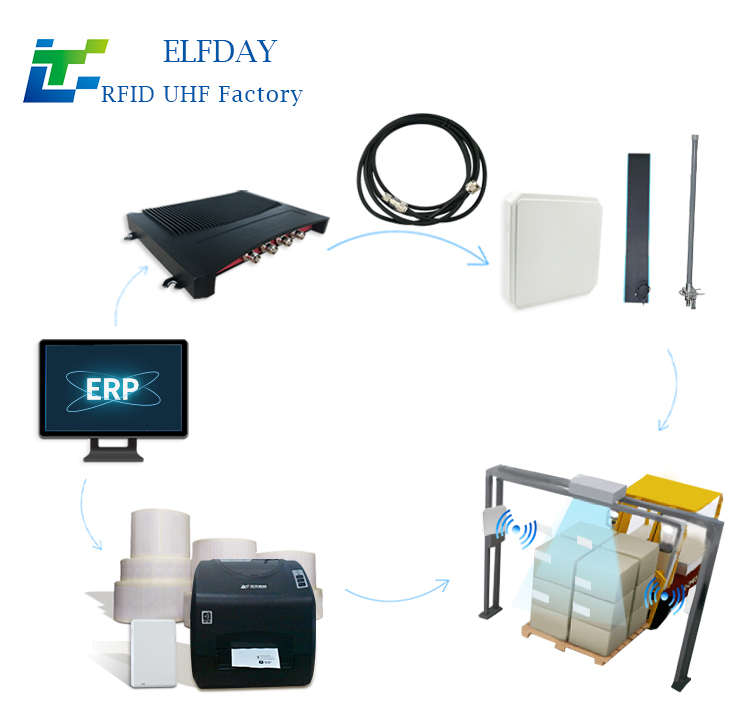
After selecting the appropriate RFID stickers, you will need to set up an RFID system that includes:
RFID readers: These devices read the information encoded in the RFID stickers. They can be handheld or fixed depending on the scale of your operation.
Software: A central software system is needed to track and manage the data collected from the RFID readers. This software will allow you to monitor inventory levels, generate reports, and analyze data to optimize operations.
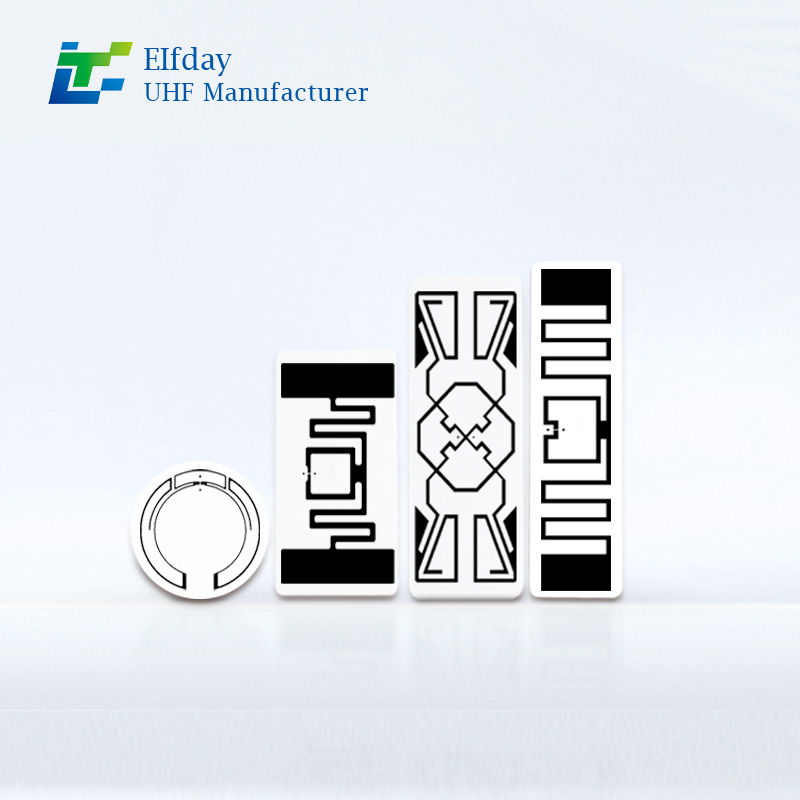
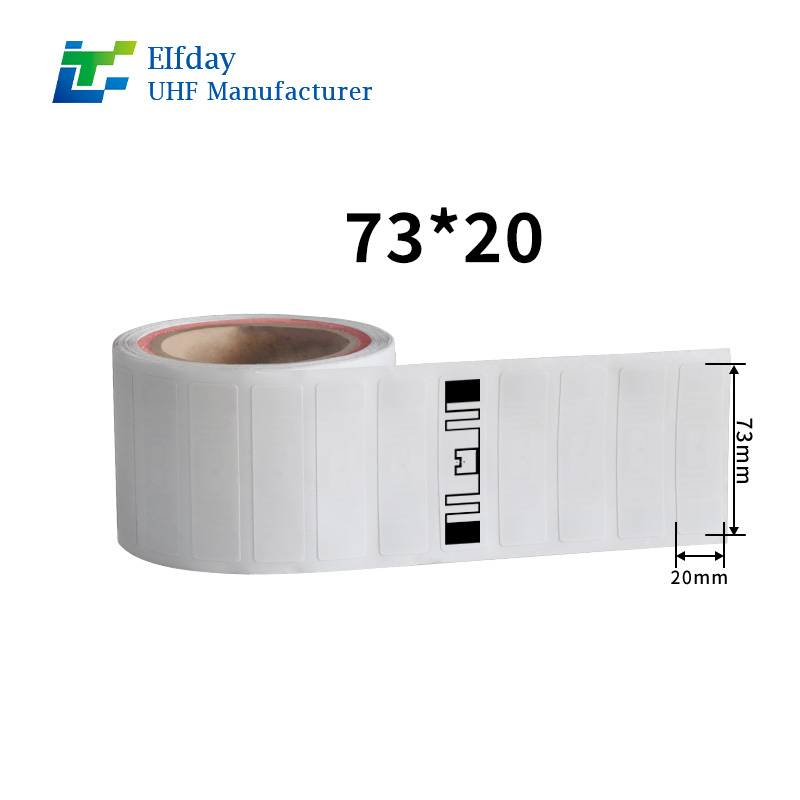
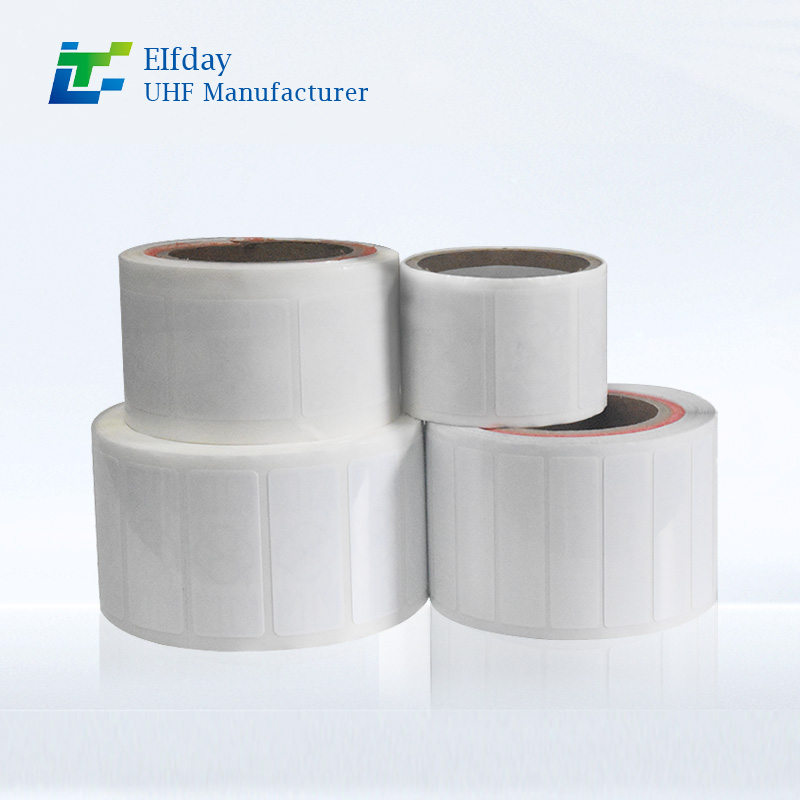
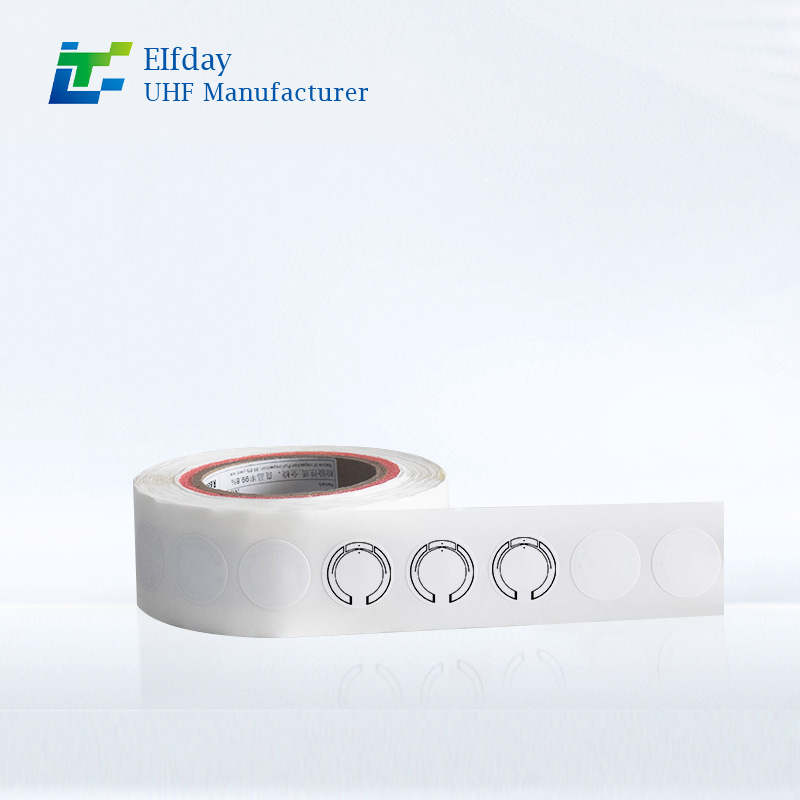
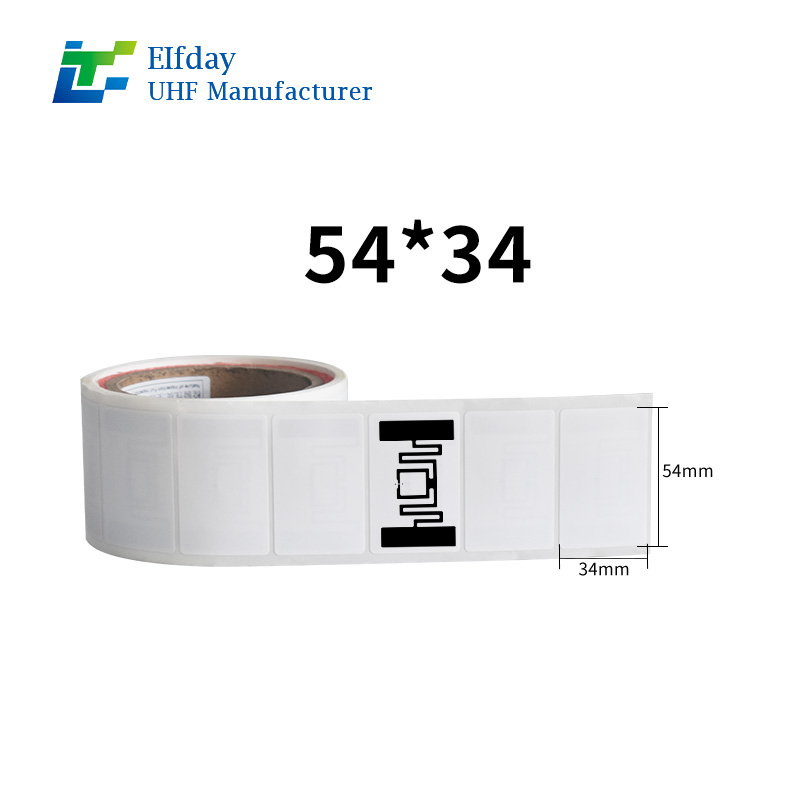
Tags and Labels: RFID stickers are affixed to the items or assets that you want to track. These stickers contain microchips with unique identifiers that are read by RFID readers.
Make sure that the system is compatible with your existing operations. For example, integrating RFID technology with your warehouse management system (WMS) or enterprise resource planning (ERP) software can streamline processes further.

4. Train Your Team
Successful integration of RFID stickers requires proper training for your employees. Ensure that all relevant staff members—whether they are in inventory management, logistics, or customer service—are familiar with how RFID technology works and how to use the new system effectively. Training should cover:
How to attach and scan RFID stickers on products.
How to use RFID readers and the software to monitor inventory.
How to troubleshoot common issues with the RFID system.
Providing hands-on training can help employees feel more comfortable with the new technology and ensure a smoother transition.
5. Start with a Pilot Program
Rather than deploying RFID stickers across your entire business at once, it’s advisable to start with a small-scale pilot program. This allows you to test the system in a controlled environment, identify potential issues, and make adjustments before rolling it out on a larger scale.
For example, you could begin by implementing RFID stickers in one section of your warehouse or in a specific retail store. Monitor how the system performs and gather feedback from employees to ensure that the integration is going smoothly. Once you’re confident in the system’s performance, you can scale it up across your entire operation.
6. Monitor and Optimize the RFID System
Once your RFID system is fully implemented, ongoing monitoring and optimization are essential for maintaining performance. Regularly track how the RFID stickers are being used, check the accuracy of data, and analyze how the system is contributing to your operational goals.
Some things to monitor include:
Inventory accuracy: Are RFID stickers improving stock visibility and reducing errors?
System performance: Are your RFID readers consistently capturing data accurately and efficiently?
Operational efficiency: Are processes like order fulfillment, stock replenishment, and asset tracking faster and more accurate?
If you find any bottlenecks or inefficiencies, consider fine-tuning your system to address these challenges. Over time, as your business grows and your needs evolve, you may need to upgrade or expand your RFID sticker solution.
7. Expand to Other Areas of Your Business
As you become more comfortable with the technology, consider expanding the use of RFID stickers into other areas of your business. For instance:
In retail: Use RFID for customer-facing applications like self-checkout or personalized shopping experiences.
In manufacturing: Implement RFID for quality control, production line monitoring, or predictive maintenance of equipment.
In logistics: Use RFID stickers to track shipments and optimize delivery routes.
By continually exploring new applications, you can maximize the value of RFID stickers throughout your organization.
Integrating RFID stickers into your business operations can provide substantial benefits, from improving inventory accuracy and operational efficiency to enhancing customer satisfaction. The process requires careful planning, the right technology, and training, but with the right approach, RFID stickers can transform the way your business operates. Start small, monitor performance, and expand as you see the positive impact on your operations.
By following these steps, you can successfully integrate RFID stickers into your business and reap the rewards of this powerful technology.