








How to Solve Common UHF RFID Tag Interference Issues
In today’s fast-paced world, UHF RFID tags have revolutionized industries ranging from logistics to inventory management, offering accurate and real-time tracking solutions. However, even with their immense potential, UHF RFID tags can sometimes encounter interference that affects their performance. In this article, we will explore the common causes of RFID tag interference and provide actionable solutions to mitigate these issues, ensuring your systems operate at their best.
1. Understanding UHF RFID Tag Interference
UHF RFID tags operate in the ultra-high frequency range, typically between 860 MHz and 960 MHz. While this frequency range offers high read rates and longer read distances, it is also susceptible to interference from various sources. Interference can lead to weak or failed tag reads, causing disruptions in your operations.
Common sources of UHF RFID interference include:
Metal Surfaces: Metals reflect and absorb RF signals, which can block or distort communication between the RFID reader and the tag.
Dense Environments: High volumes of RFID tags in close proximity can lead to signal collisions, reducing read accuracy.
Electromagnetic Interference (EMI): Devices emitting high-frequency signals can create noise, interfering with RFID communications.
2. Ways to Solve UHF RFID Tag Interference
A. Optimize Tag Placement
The location and orientation of your UHF RFID tags can significantly impact performance. To avoid interference, consider the following:
Avoid Metal Surfaces: Position tags away from metal surfaces or enclosures that can cause signal reflections or absorption.
Strategic Tag Placement: Ensure tags are placed at optimal angles, with a clear line of sight to the RFID reader, to enhance read reliability.
B. Use RFID Tags Designed for Specific Environments
Different environments require different types of UHF RFID tags. For example, industrial-grade tags are specifically designed to withstand challenging environments like metal-rich or high-temperature areas.
Choose Metal-Friendly Tags: For assets that will be on metal surfaces, opt for RFID tags that are designed for metal use. These specialized tags are built to prevent interference from metal surfaces.
Durable, Long-Range Tags: In environments with high interference, opt for high-quality RFID tags with stronger signal capabilities and durability. This will ensure that your tags perform optimally, even in complex environments.
C. Use RFID Shielding Solutions
In certain high-interference areas, additional shielding may be required to protect the tags from external sources of EMI. Consider using RFID shielding materials, such as:
RFID Shielding Sleeves: These sleeves can reduce the impact of interference on tags, especially in environments with excessive signal noise.
Enclosures with EMI Protection: For highly sensitive equipment, placing your RFID tags inside EMI-protected enclosures can prevent unwanted signals from corrupting your data.
D. Implement Anti-Collision Algorithms
When you have many RFID tags in a single area, collision or tag interference can occur. Implementing anti-collision algorithms within your RFID reader software can resolve this issue by ensuring that only one tag is read at a time. Some advanced UHF RFID readers come with built-in anti-collision features that reduce errors caused by multiple tags being read simultaneously.
E. Use Higher-Powered RFID Readers
Sometimes, the problem isn’t with the tags but with the power of the RFID readers themselves. Using more powerful UHF RFID readers can help boost the signal, reducing the chances of interference. Ensure that your readers are equipped with the latest technology to handle challenging environments with ease.
F. Regular Calibration and Maintenance
Maintaining your RFID system’s performance is key to long-term success. Regularly calibrating your readers and checking the health of your UHF RFID tags will ensure that they remain in top condition, free from interference.
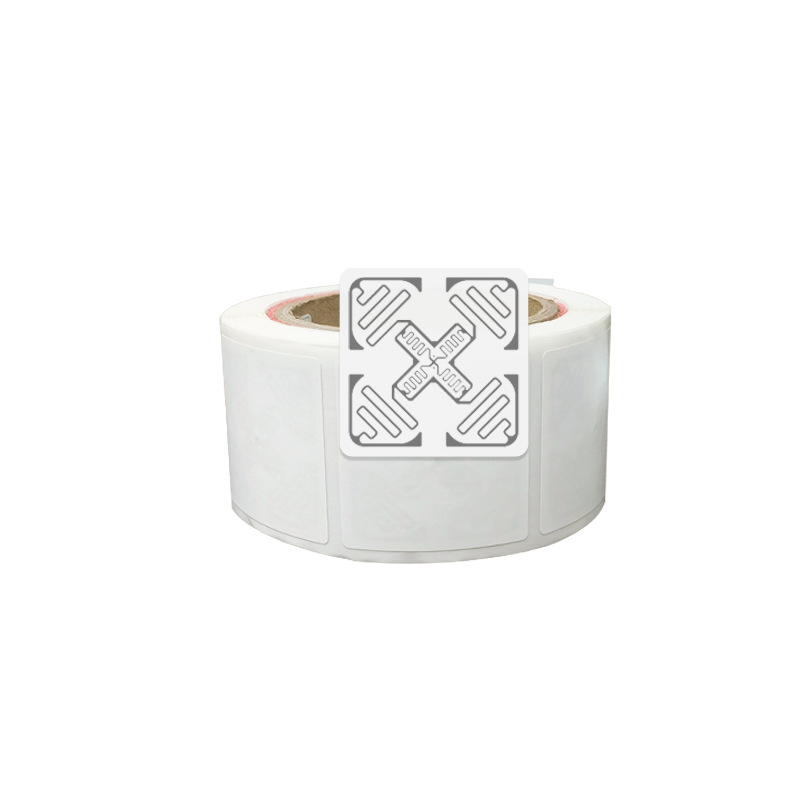
Monitor Tag Health: Keep an eye on the tags’ durability and performance. Tags that are physically damaged or degraded may not function correctly.
Software Updates: Ensure that your RFID readers have the latest firmware and software updates, as they may include improvements for handling interference.
3. Why Investing in High-Quality UHF RFID Tags is Worth It
Investing in high-quality UHF RFID tags not only reduces the likelihood of interference but also offers long-term benefits that can improve your overall operations:
Increased Accuracy: Reliable UHF RFID tags minimize the risk of misreads, improving inventory accuracy and asset tracking.
Enhanced Efficiency: With reduced interference, you can speed up operations, reducing the time spent on manual data entry or resolving errors.
Cost Savings: While quality tags might have a higher upfront cost, their longevity and reduced need for maintenance make them a cost-effective choice in the long run.
UHF RFID tags are essential for modern businesses looking to improve their tracking systems, but interference can be a challenge. By understanding the common causes of interference and taking the proper steps to mitigate them, you can ensure that your RFID system performs optimally. Whether it’s through careful placement, selecting the right tags, or investing in advanced shielding solutions, overcoming interference will help you unlock the full potential of your UHF RFID tags.
Ready to optimize your system? Invest in high-quality UHF RFID tags that are built for your unique needs and eliminate interference today. Get in touch with us to learn more about our range of UHF RFID tags designed to work in even the most challenging environments.