








Improving Cold Chain Monitoring with UHF RFID Tags
Every year, billions of dollars in perishable goods—from fresh produce to life-saving vaccines—are wasted due to broken cold chains. A truck gets delayed, a freezer door gets left open, or a temperature logger fails, and suddenly an entire shipment is compromised.
But what if you could know the exact condition of every single item, from the warehouse to the delivery dock, in real time?
This is the promise of modern UHF RFID tag technology. No longer just for inventory control, today‘s uhf rfid tag solutions are revolutionizing how we monitor temperature-sensitive goods. In this guide, we’ll explore how implementing the right uhf rfid tag system can slash waste, ensure compliance, and protect your brand reputation.
The High Cost of a Broken Cold Chain
Before diving into the technology, it‘s critical to understand what’s at stake. The traditional cold chain relies on intermittent checks. A temperature logger might be placed inside a truck, but if the temperature spikes near the back door, the logger might never record it.
Consider these common failure points:
Temperature Excursions: Door-open events, compressor failures, or delayed handling can spoil products before they reach the shelf .
Lack of Visibility: Manual data entry is error-prone, especially in freezing environments where workers are rushing .
Compliance Gaps: Regulatory frameworks like HACCP and FSMA demand immutable, time-stamped audit trails that paper logs simply cannot provide .
This is where a sophisticated uhf rfid tag strategy shifts the paradigm from reactive spoilage to proactive management.
What Makes a UHF RFID Tag Ideal for Cold Chains?
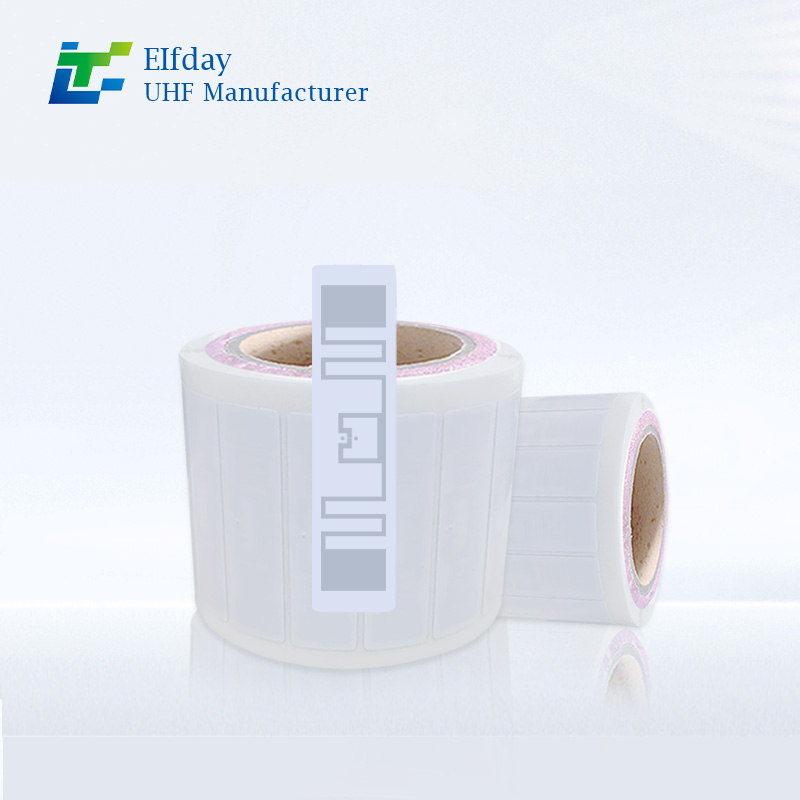
You might be familiar with RFID for tracking pallets, but the new generation of sensor-enabled uhf rfid tag technology does much more. These tags combine identification with environmental data logging.
1. Real-Time Temperature Telemetry
Unlike barcodes that require line-of-sight, a uhf rfid tag can be read from meters away. When integrated with sensors, these tags record temperature at programmed intervals (e.g., every 5 minutes) with high accuracy, often within ±0.5°C . This creates a "digital fingerprint" of the product‘s journey.
2. Durability in Extreme Conditions
Standard electronics fail at -25°C. However, specialized low-temperature uhf rfid tag models are engineered to withstand brutal environments. Encapsulated in materials like polycarbonate or using cryogenic adhesives, these tags function reliably in deep-freeze conditions down to -40°C or lower .
3. Batch Scanning Efficiency
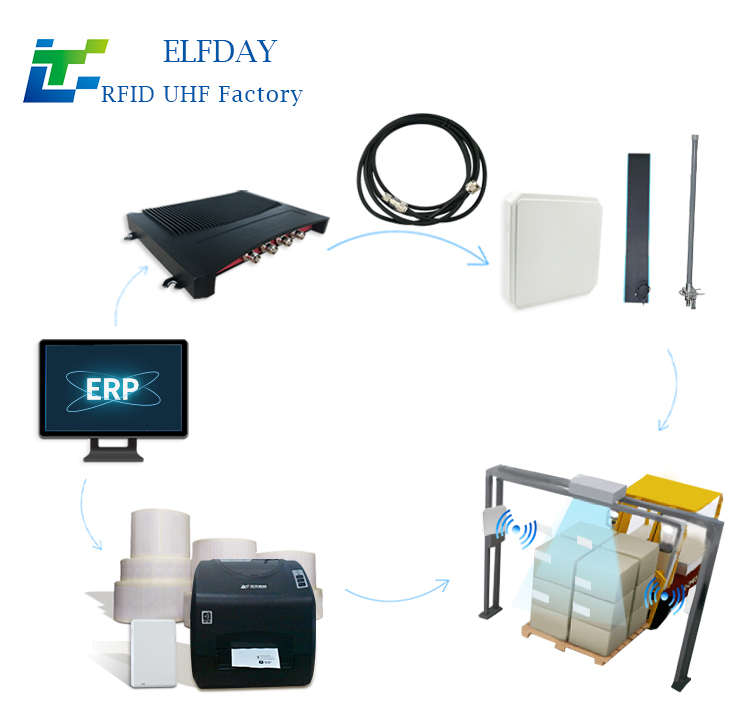
Imagine a refrigerated truck arriving at a distribution center. With a manual system, workers must open the doors, potentially letting warm air in, and scan items one by one. With fixed UHF readers at the dock door, hundreds of uhf rfid tag-equipped cases are read simultaneously in seconds. The data—including temperature history—is captured instantly .
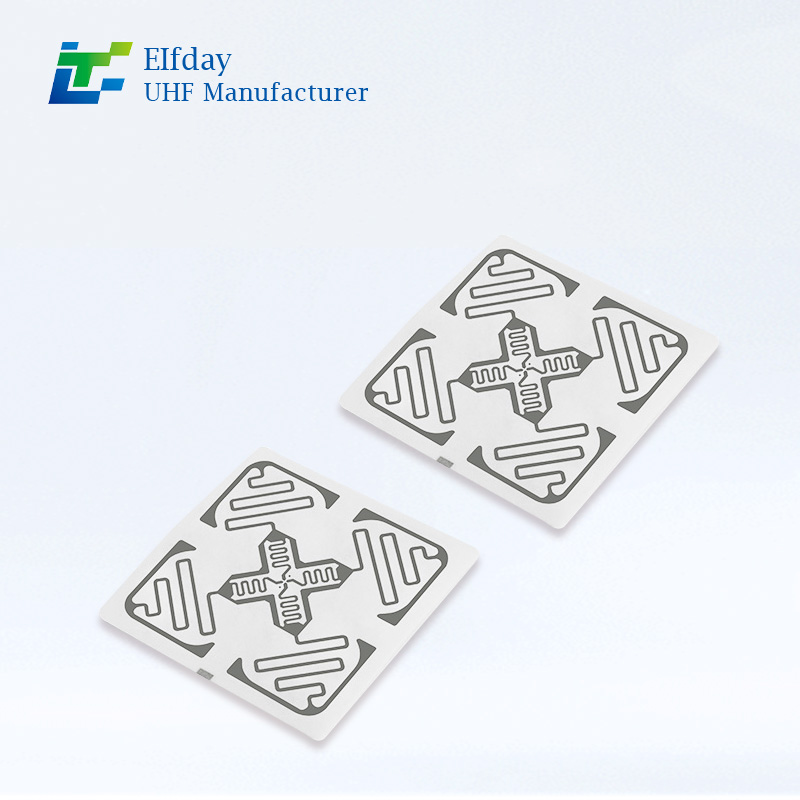
Pro Tip: Look for EPC Gen2v2 compliant tags, which support encrypted data storage for enhanced security of high-value pharmaceutical shipments .
Real-World Success: From Ice Cream to Insulin
The benefits of UHF RFID are not theoretical. Across the globe, major brands are deploying these systems with measurable ROI.
Case Study: Nestlé‘s Ice Cream Precision
Nestlé Italy faced a challenge: ensuring ice cream stayed perfectly frozen as it moved through a complex network of production plants, trucks, and retailers. They deployed active UHF sensor tags on trucks and in freezers.
The results went beyond spoilage reduction. By analyzing temperature data, they discovered many shop freezers were set too cold—wasting energy and making the ice cream too hard to serve. They estimated that even a 5-10% energy savings across their freezers would amount to millions of euros . This is the hidden value of granular data.
Case Study: Hy-Vee‘s Supplier Accountability
U.S. grocer Hy-Vee implemented a system requiring suppliers to attach reusable uhf rfid tags to every perishable shipment. These tags log temperature throughout transit. Upon arrival at the distribution center, portal readers capture the data in seconds.
The impact was staggering:
97% reduction in data evaluation time (from 5 minutes to 8 seconds per shipment).
22% reduction in supplier costs by identifying and eliminating poor performers .
The system doesn’t just track temperature; it changes behavior across the entire supply chain.
Overcoming the Challenges of Cold Chain RFID
Implementing RFID in a freezer is not the same as in a retail store. The environment is hostile to both hardware and radio waves. Here’s how to navigate the common pitfalls when selecting your uhf rfid tag and infrastructure.
| Challenge | Why It Happens | The Solution |
| Tag Brittleness | Standard plastics crack in sub-zero temps | Use tags made from PET, polycarbonate, or with specialized encapsulation |
| Adhesive Failure | Labels peel off frosted surfaces | Apply cryogenic adhesives designed for cold storage bonding |
| Signal Interference | Moisture and ice absorb UHF signals | Deploy circular-polarized antennas and optimize reader placement to avoid "dead zones" |
| Condensation | Thermal shock creates moisture that shorts circuits | Use IP67-rated or fully encapsulated tags and readers |
| Battery Drain | Cold temps kill battery life in active tags | Consider passive sensor tags that harvest energy from the reader or schedule frequent battery changes for active units |
By addressing these challenges head-on, you ensure that your cold chain data is accurate and complete.
How to Choose the Right UHF RFID Tag for Your Needs
Not all tags are created equal. To maximize your ROI and drive user adoption, consider these factors:
1. Disposable vs. Reusable
Disposable Tags: Ideal for high-volume, one-way shipments. Newer models are low-cost enough to be considered "consumables" . The Tyndall National Institute, for example, is developing disposable uhf rfid tags that signal if a product has thawed .
Reusable Tags: Perfect for closed-loop logistics (e.g., owned pallets and crates). The Impinj Monza tags used by Hy-Vee could be cleared and reconfigured for new shipments, spreading the cost over dozens of uses .
2. Sensor Integration
Decide what you need to measure:
Temperature Only: For standard frozen or chilled goods.
Temperature + Humidity: Essential for produce, flowers, or certain pharmaceuticals.
Shock/Vibration: Critical for high-precision equipment or fragile goods .
3. Form Factor
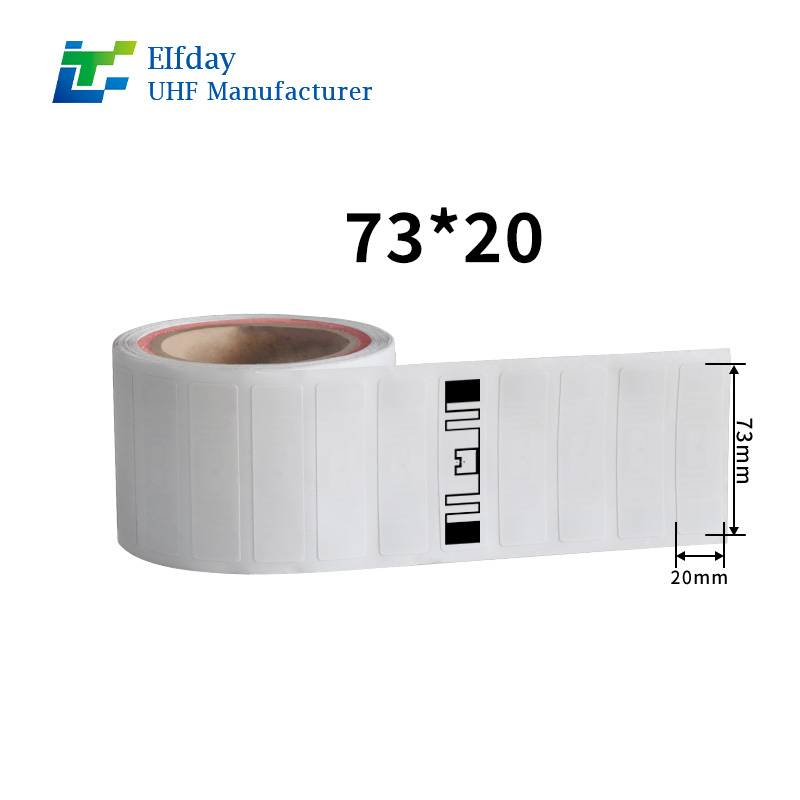
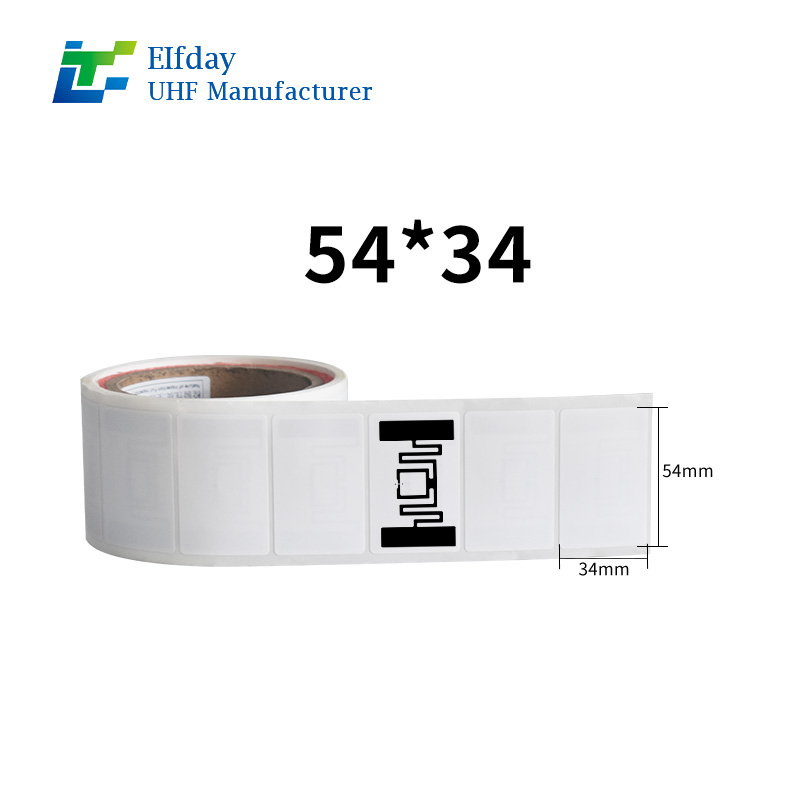
Thin Labels: Flexible and cheap, but require a flat, dry surface.
Hard Tags: Durable and often with better heat insulation, suitable for reusable crates or metal racks .
The Financial Impact: Why UHF RFID Pays for Itself
We understand that upgrading a cold chain monitoring system requires capital. However, the data shows that a quality uhf rfid tag system delivers a rapid payback.
Direct Cost Savings
Reduced Spoilage: One pharmaceutical company increased cold chain compliance from 78% to 99.6%, saving over $600,000 annually .
Labor Efficiency: Automating dock-door reads and inventory counts can reduce labor costs in receiving by over 50% .
Insurance and Liability: With proof of chain-of-custody, you can dispute false claims and potentially lower the insurance costs carried by your logistics partners .
Indirect Revenue Growth
Extended Shelf Life: By maintaining tighter temperature control, products stay fresher longer. A dairy company extended its milk shelf life by two days, reducing returns and increasing customer satisfaction .
Brand Trust: Consumers trust brands that deliver consistent quality. Using RFID data as a marketing tool—proving you care about the product from farm to fork—builds loyalty .
Future Trends: From Monitoring to Predicting
The future of the uhf rfid tag in cold chains is predictive analytics. We are moving from "What happened?" to "What will happen?"
AI Integration: Machine learning models can analyze historical temperature data, weather forecasts, and traffic patterns to predict which shipments are at risk of spoilage .
Dynamic Rerouting: If a tag detects a rising temperature trend, the system can automatically reroute the truck to a closer distribution center before the product is lost.
Blockchain Integration: For ultimate transparency, temperature data from RFID tags can be written to a blockchain, creating an immutable, shareable record that satisfies regulators and consumers alike .
Secure Your Cold Chain Today
The margin for error in the cold chain is shrinking. Consumer expectations are higher, regulations are tighter, and the cost of waste is unsustainable. Implementing a robust uhf rfid tag solution is no longer just a "tech upgrade"—it is a competitive necessity.
By providing end-to-end visibility, automating compliance data, and preventing spoilage before it happens, UHF RFID technology turns your cold chain from a cost center into a source of competitive advantage.
Ready to protect your products and your profits?
[Contact our experts today] to discuss which uhf rfid tag solution fits your unique environment. Whether you need reusable hard tags for pallets or disposable sensors for one-way shipments, we can design a system that delivers cold-hard proof of your quality.