









Lost Documents Costing You Time? Solve It with RFID Tags
Discover how RFID tags for document management can transform your chaotic filing system into a streamlined, automated operation—saving you hours of searching and endless frustration.
Every office knows the scene: a frantic employee rummaging through file cabinets, checking desks, and emailing colleagues. The missing contract. The misplaced client file. The patient record that should be on the shelf but isn't.
If this sounds familiar, you're not alone—and the costs add up faster than you think. Consider what happens when documents go missing:
Productivity plummets as staff stop their actual work to search
Deadlines get missed because critical information isn't available
Frustration builds among team members who waste hours on treasure hunts
Client confidence erodes when you can't locate their paperwork promptly
One operations director described it perfectly: "We didn't realize how much time we were losing until we started tracking it. What we thought were 'quick searches' were actually consuming entire afternoons across multiple departments."
The good news? Organizations that implement RFID tags for document management typically eliminate these problems entirely, recovering their investment through regained productivity alone.
This article explores how RFID tags for document management can eliminate the chaos, secure your sensitive records, and finally give you control over your files—whether you're running a law firm, hospital, or corporate office.
Part 1: The Real Problem—Why Traditional Filing Systems Fail
Before diving into the solution, let's honestly assess why traditional document tracking falls short. Understanding these pain points is the first step toward justifying your investment in RFID tags for document management.
The Manual Filing Trap
Most organizations still rely on one of three inadequate systems:
Paper logs require handwritten checkout sheets that get lost, forgotten, or illegibly filled out. There's no accountability—files walk out the door, and nobody knows who took them or when.
Spreadsheets only get updated when someone remembers. The data is always weeks out of date, and the person who actually has the file rarely updates the master list.
Barcode scanning requires line-of-sight and individual scans. Employees skip the step when they're busy, and the system fails completely because it only knows what people bother to tell it.
One district attorney's office realized its manual system was broken when staff started receiving multiple emails per day from colleagues searching for case files. They estimated those email chains consumed the equivalent of several full-time employees' time—all spent on searching rather than actual legal work.
The Invisible Costs Add Up
Beyond obvious labor hours, consider:
Billable hours lost when attorneys can't find case files
Compliance risks when sensitive documents go missing
Client frustration when you can't locate their paperwork
Duplicate purchases of equipment you already own but can't find
When a Paris-based law firm tracked their files with RFID, they realized significant time savings immediately—and expanded the system to cover their entire collection within months.
Part 2: How RFID Tags for Document Management Actually Work
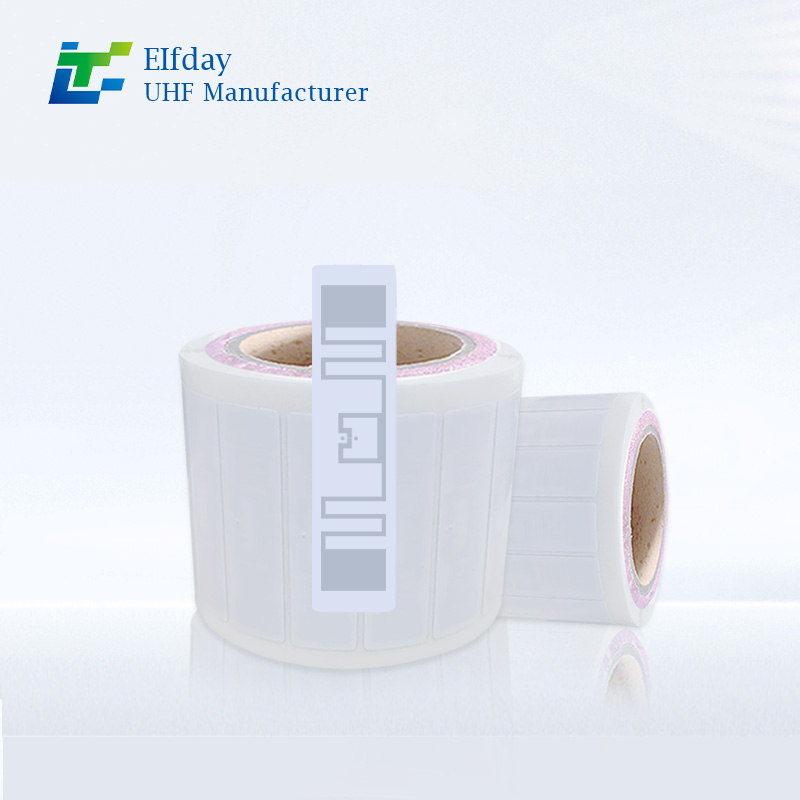
If you're new to this technology, here's the simple explanation: RFID tags for document management are small electronic labels that store unique identification data. When a file passes near a reader—whether a desktop unit, handheld device, or doorway gate—the tag transmits its identity without requiring a clear line of sight.
The Three Components You Need
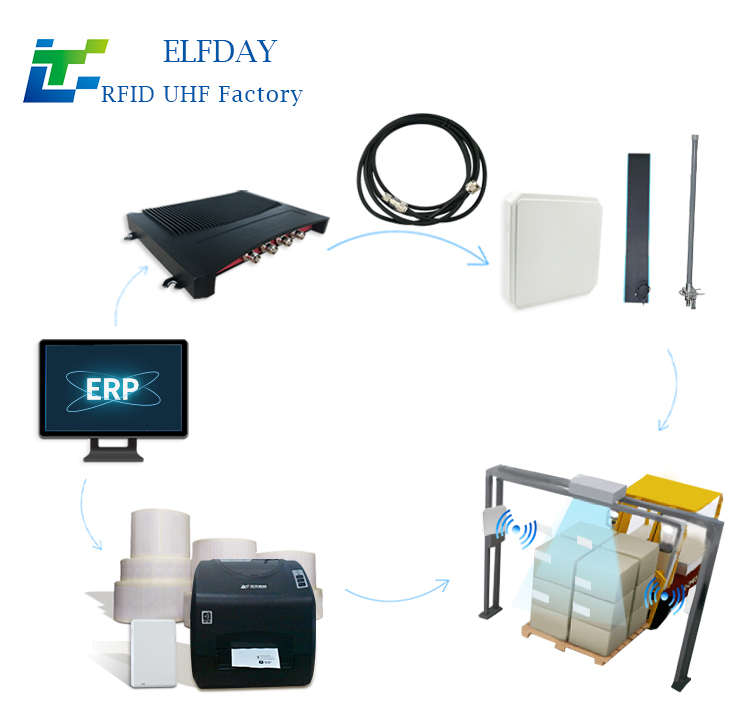
A complete document tracking system includes:
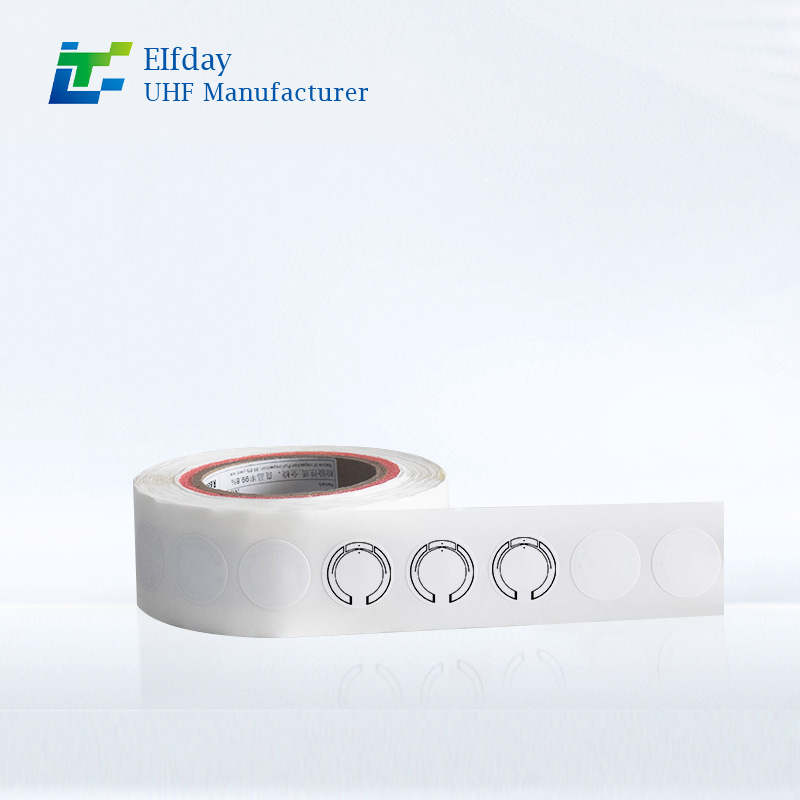
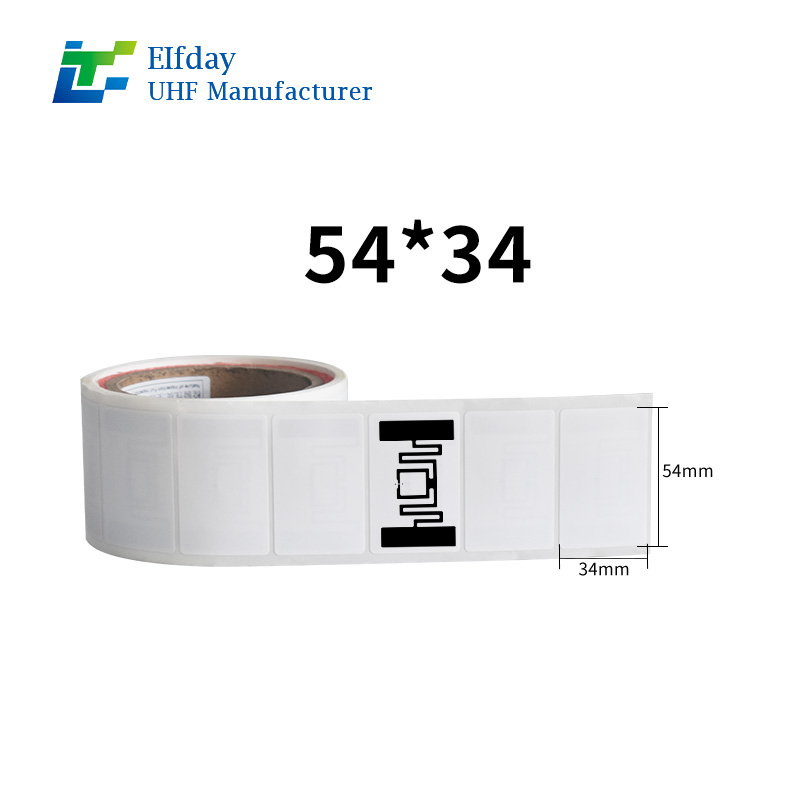
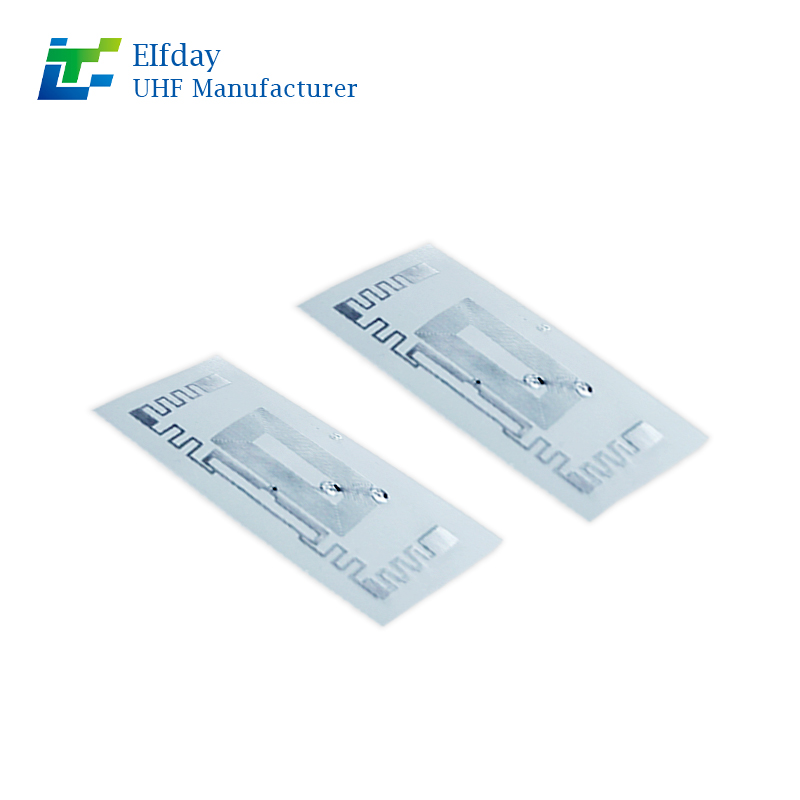
RFID tags – Applied to each file folder or document box. These tiny labels contain a chip and antenna that wirelessly communicate with readers.
RFID readers – Fixed units at doorways monitor files coming and going. Handheld devices let you scan entire shelves in seconds. Desktop readers confirm individual file checkouts.
Management software – The brain that connects tag reads to your database. It shows you exactly where every file is, who has it, and when it was last moved.
Which Frequency Is Right for Your Documents?
One critical decision is choosing between High-Frequency (HF) and Ultra-High-Frequency (UHF) tags:
HF tags read at close range—typically within a meter. They work well for one-at-a-time desktop scanning but can't detect files passing through doorways or tucked under someone's arm.
UHF tags read from much farther away—up to ten meters or more. They can detect hundreds of files simultaneously, even when stacked closely on shelves or carried in briefcases. They're also significantly less expensive than HF tags.
Industry trends strongly favor UHF for document management. FileTrail, a major RFID solution provider, switched from HF to UHF specifically because the longer read range allows files to be detected even when employees carry them casually. The cost savings didn't hurt either—UHF tags now cost a fraction of comparable HF tags.
Part 3: What Your Daily Workflow Looks Like With RFID
Let's walk through a typical day after implementing RFID tags for document management.
Morning: Arrival and Check-In
An employee returns from a client meeting with three files. She walks through the office doorway, and the fixed RFID reader automatically detects all three tags. The system logs: Files returned at 9:32 AM by Jane Chen. No scanning. No data entry. No forgetting.
Midday: File Request
A partner needs a contract from last quarter. Instead of searching, she opens the tracking software on her computer, types the client name, and sees instantly: File located on Floor 3, Shelf 14B, last checked out by Michael Park on March 15. She walks directly to the shelf and finds it exactly where the system indicated.
Afternoon: Inventory Audit
It's quarterly review time. Previously, this meant pulling every file and manually checking against a list—taking multiple people several days. Now, an administrative assistant walks through the file room with a handheld UHF reader. In just minutes, the system has scanned thousands of files and generated a complete inventory report, flagging any items that are missing or misplaced.
Continuous: Security Monitoring
Throughout the day, doorway readers monitor every file movement. If someone tries to remove a document without checking it out—intentionally or accidentally—the system displays an alert immediately. No more "I forgot to log it." No more mysterious disappearances.
Part 4: Tangible Benefits You Can Measure
The case for RFID tags for document management becomes compelling when you look at real-world results.
Time Savings That Transform Your Operations
The Seventh Judicial Circuit Court in Maryland tracks files for tens of thousands of cases annually using UHF RFID. What used to require days of manual inventory now takes hours.
For professional services firms, this efficiency directly impacts profitability. When attorneys at Sughrue Mion PLLC implemented RFID file tracking, a task that consumed more than a full day of work was reduced to just a few hours. That's an entire day returned to billable client work.
Near-Perfect Accuracy
Traditional systems suffer from "shelf noise"—files that the database says are present but actually aren't, or files physically present that never got logged. RFID eliminates this gap. The system knows what's on the shelf because it can "see" everything simultaneously without human intervention.
One medical equipment study showed that RFID reduced inventory discrepancy rates from double digits to effectively zero. The same principle applies to document management.
Enhanced Security and Compliance
For regulated industries—healthcare, legal, financial—demonstrating chain of custody isn't optional. RFID creates an automatic, tamper-proof audit trail of every file movement.
When a Japanese company implemented UHF RFID for internal document loan management, they solved three specific problems:
Eliminated handwritten logs that were time-consuming and prone to inaccuracies
Prevented unauthorized removals that left document locations unknown
Reduced the burden on administrators while actually improving security
Rapid Return on Investment
Consider a typical mid-sized office. Before RFID, employees might spend hours each week searching for files. That's time they're not serving clients, closing deals, or moving projects forward.
After implementation, those same employees find what they need instantly. The time savings alone often justify the investment within months—and the benefits continue accumulating year after year.
One design firm with dozens of employees and hundreds of assets implemented RFID and recovered their entire investment within six months, simply through eliminated search time and prevented losses.
Part 5: Choosing the Right RFID Tags for Your Documents
Not all RFID tags for document management are created equal. Selecting the wrong type leads to the very problem you're trying to solve: wasted time and frustration.
Key Selection Criteria
Tag Form Factor
Documents have unique requirements. You need tags that are:
Thin enough to not create bulk in file folders
Adhesive enough to stay attached for years
Readable even when stacked closely on shelves
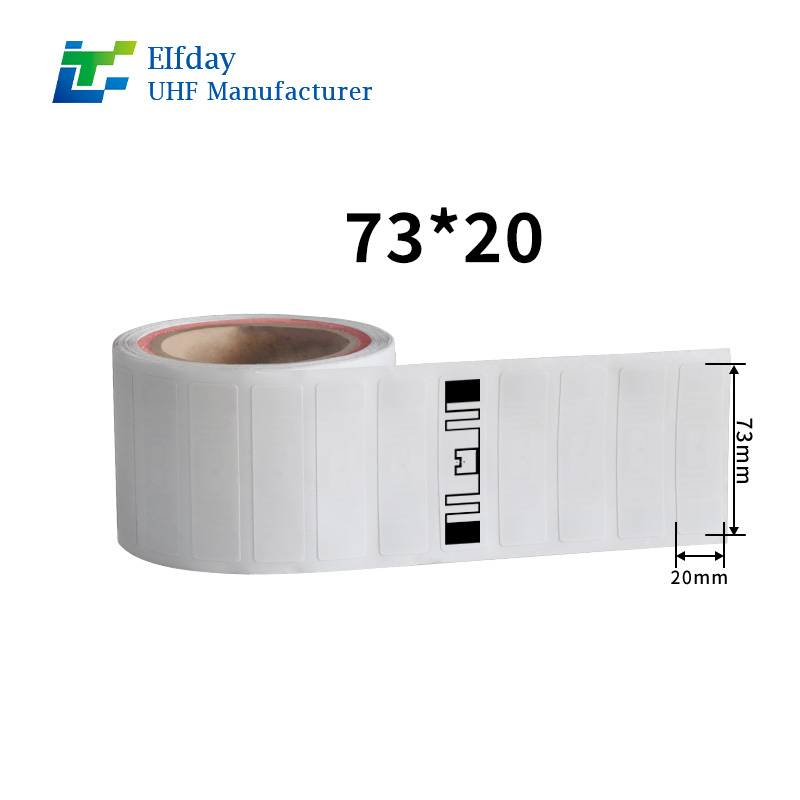
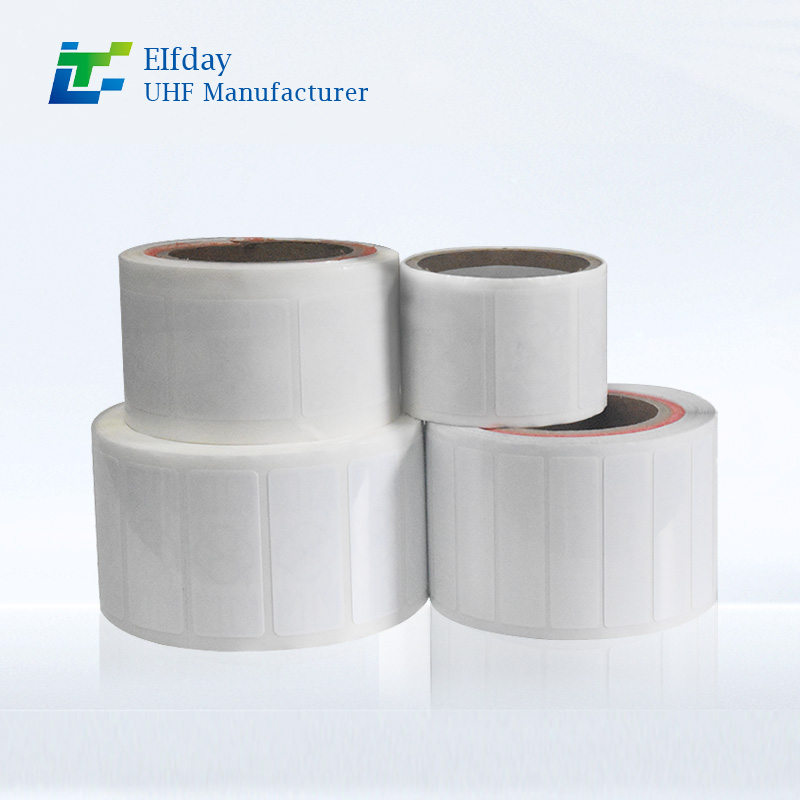
Most document applications use thin, flexible labels that can be applied directly to file folders or document sleeves without creating noticeable thickness.
Surface Compatibility
Consider where the tag will be applied:
Paper folders accept standard adhesive tags without issue
Plastic binders require adhesive formulated for smooth surfaces
Metal hanging files need special "on-metal" tags—standard tags fail completely when applied to metal
Read Range Requirements
Ask yourself: How will files move?
If documents primarily pass through doorway readers, you need UHF tags with extended read range. If you're only scanning at a desktop station, shorter range may suffice.
Environmental Factors
Standard office environments are forgiving, but consider:
Will files ever get wet or exposed to humidity?
Are they stored in areas with temperature extremes?
Do they need to survive decades of regular handling?
The Testing Imperative
Before committing to thousands of tags, always run a pilot. Test with your actual file types, in your actual shelving, with your actual staff handling them. One company discovered during testing that their chosen tags had poor read rates in their specific filing cabinets—requiring a switch to a different tag type before full deployment.
Part 6: Implementation Roadmap—Your Path to Success
Ready to solve your document chaos? Here's a practical timeline:
Week One: Assessment and Planning
Begin by understanding your current situation. Audit your file inventory—how many files do you have, where are they stored, and how are they accessed? Identify your biggest pain points. Is it search time? Security concerns? Compliance requirements?
Set measurable goals. "Reduce file search time significantly" is vague. "Locate any file within 30 seconds" is specific and achievable.
Week Two: Vendor Selection and Tag Choice
Request samples from reputable RFID providers. Test their tags on your actual files and shelves. Verify read rates meet your requirements. Choose software that integrates with your existing systems—the best hardware in the world is useless if it doesn't work with how you already operate.
Week Three: Pilot Deployment
Tag a representative sample of files—perhaps one hundred or two hundred. Train a small group of users. Run the system for one week alongside your current method. Measure results against your goals. This pilot phase reveals issues before they become expensive problems.
Week Four: Full Rollout
With lessons learned from your pilot, proceed to full implementation. Tag remaining files systematically. Install fixed readers at key doorways. Deploy handheld readers to appropriate staff. Provide training sessions for everyone who will use the system.
Then go live and celebrate your new efficiency.
Common Pitfalls to Avoid
Skipping the pilot – What works in theory often fails in practice. Always test first.
Ignoring integration – Ensure your RFID software communicates with your existing document management systems.
Underestimating tagging time – Thousands of files take real person-hours to tag. Plan accordingly.
Focusing only on tag price – The cheapest tag that fails to read is ultimately the most expensive option.
Part 7: Frequently Asked Questions
Will RFID tags damage my documents?
Quality tags use archival-safe adhesives and are designed specifically for paper documents. They won't harm your files or leave residue when properly applied.
Can I reuse tags when files are archived?
Most tags are permanently applied, but the cost is low enough that this rarely matters. Some organizations use removable tags for temporary files that will be destroyed after a defined period.
Do I need to replace my entire filing system?
No. RFID works with your existing shelves, cabinets, and folders. You're adding intelligence, not replacing infrastructure.
What about privacy—can someone scan my files from outside?
Properly designed systems use encrypted communication and limited-range readers. Files are only detectable within your controlled environment. Your documents aren't broadcasting their contents to the world.
How long do tags last?
Passive RFID tags—the most common type—have no battery and typically last a decade or longer. They'll outlast most files that need active tracking.
Stop Searching, Start Managing
The question isn't whether you can afford RFID tags for document management. The question is whether you can afford to keep losing time, energy, and documents to an outdated system.
Every minute your team spends searching for files is a minute they're not serving clients, closing deals, or moving your business forward. Every misfiled document is a compliance risk waiting to happen. Every "I don't know where that file went" is a failure of process, not people.
RFID technology has matured. Costs have dropped. Implementation has become straightforward. The law firms, hospitals, and corporations adopting it aren't early adopters anymore—they're smart operators who realized that time spent searching is time wasted.
As one operations director put it after implementing RFID file tracking: "We used to dread inventory week. Now it's something one person handles in an afternoon."
Isn't it time your documents worked as hard as your people do?
Ready to Transform Your Document Management?
Don't let another day slip away searching for lost files. Contact our team today to discuss which RFID tags for document management fit your specific needs.
Get your free consultation:
Request samples to test on your actual files
Receive a customized assessment of your document workflow
Speak with an RFID specialist who understands document tracking
Call us today to schedule your consultation
Visit our website to learn more about our document management solutions
Stop searching. Start finding.