








Optimizing Bed Management with RFID Tags for Healthcare Equipment
In any hospital, the daily ballet of admissions, discharges, and transfers is a high-stakes operation. When a bed sits empty because the right equipment isn’t available—or when a patient’s discharge is delayed by twenty minutes while a nurse searches for a missing infusion pump—the ripple effects are felt across the entire facility. Operational efficiency in healthcare isn’t just about numbers; it directly impacts patient safety, staff morale, and the ability to provide timely care.
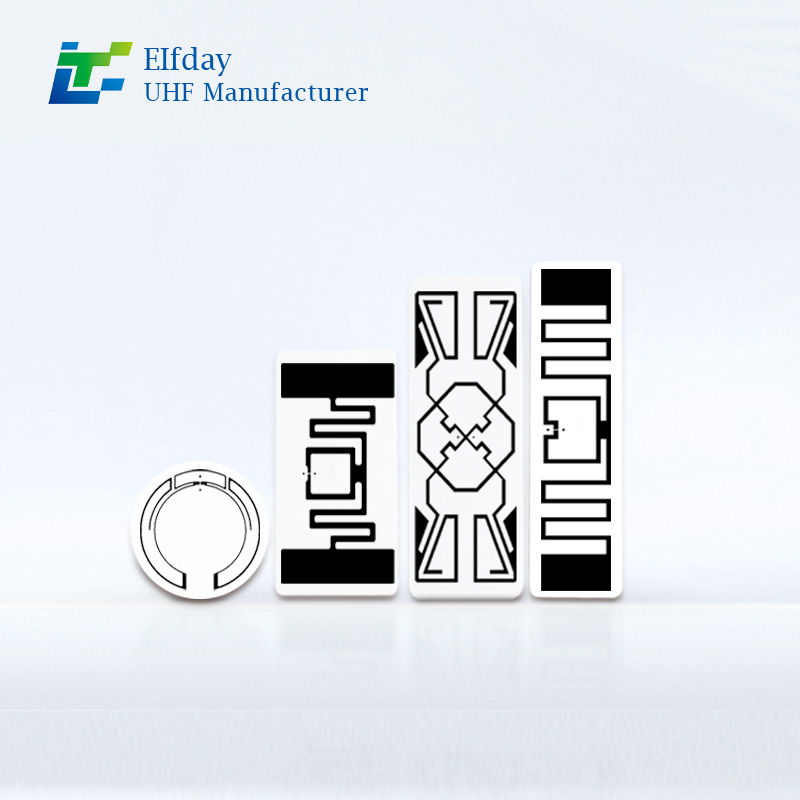
To solve these complex logistical puzzles, forward-thinking healthcare administrators are turning to a powerful, discreet technology: RFID tags for healthcare equipment. While often associated with supply chain and inventory, the strategic use of this technology is revolutionizing how hospitals manage their most valuable asset—beds—by ensuring that the tools required to fill them are always exactly where they need to be.
The Hidden Bottleneck in Patient Flow
Traditionally, bed management is viewed through the lens of housekeeping schedules and emergency department wait times. However, a critical bottleneck often hides in plain sight: equipment availability. A bed is not truly "ready" until it is fully equipped.
Consider a standard medical-surgical unit. A patient cannot be moved from the emergency department (ED) to a bed if the necessary bariatric bed frame, the compatible mattress, the oxygen concentrator, and the vital signs monitor are not already in that room or readily available. Without real-time visibility, staff waste hours walking from unit to unit, searching cluttered storage closets, or calling colleagues to locate a single wheelchair.
This "searching culture" is expensive. Studies suggest that nurses spend up to 30% of their shift hunting for medical devices. When you translate that into labor costs and delayed bed turnover, the financial impact is staggering. More importantly, it contributes to "boarding" in the ED—a condition linked to higher mortality rates and poorer patient outcomes.
How RFID Tags for Healthcare Equipment Create Visibility
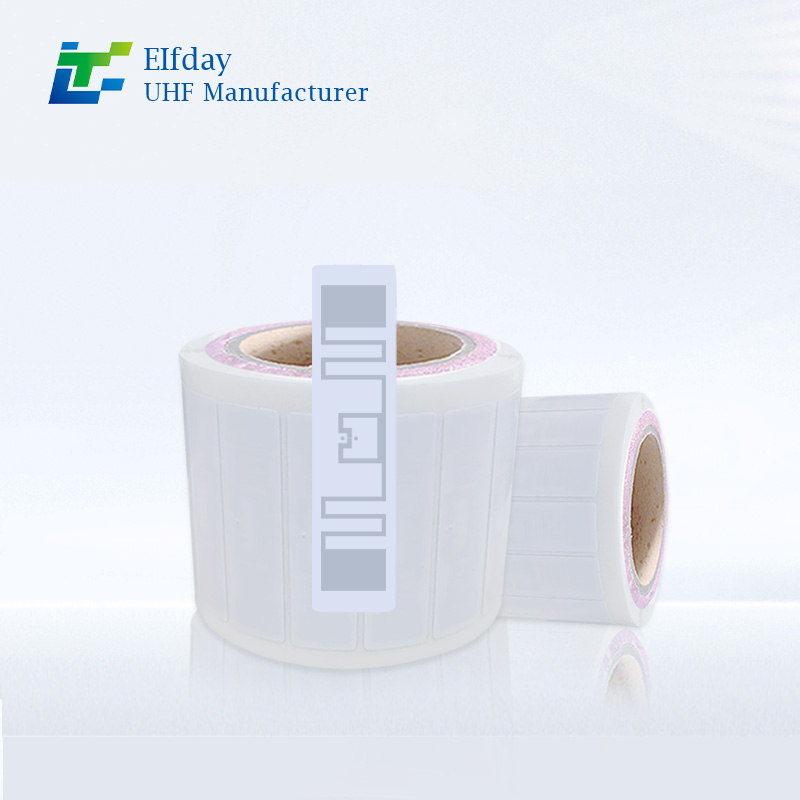
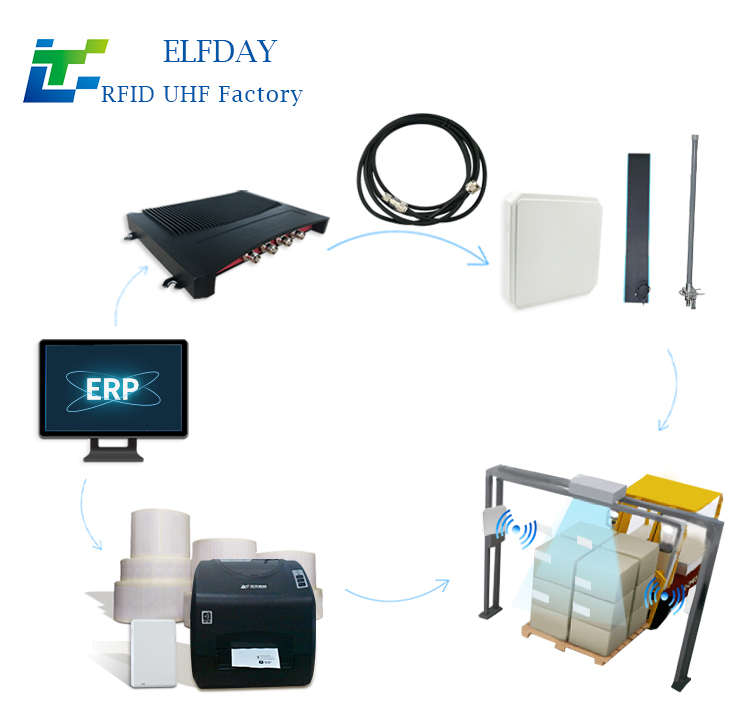
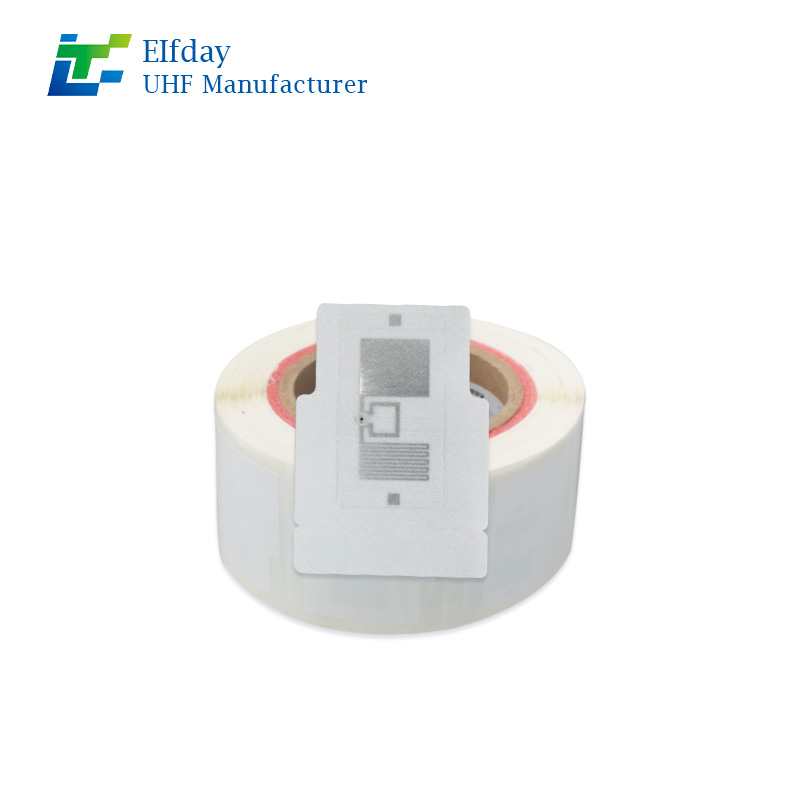
The solution lies in shifting from a reactive hunt to a proactive management system. By attaching durable, passive or active RFID tags for healthcare equipment, hospitals can create a digital map of their assets in real time. Unlike barcodes, which require line-of-sight scanning, RFID technology uses radio waves to automatically identify and track tags attached to objects.
When integrated with a hospital’s existing electronic health record (EHR) and bed management systems, this technology provides a single pane of glass for operations managers. Instead of relying on manual rounding or “swivel-chair” searches, staff can look at a dashboard to see exactly where every infusion pump, ventilator, bed, and mobile patient lift is located.
This visibility transforms bed management in three specific ways:
1. Accelerating Room Turnover
When a patient is discharged, the clock starts. Environmental services (EVS) needs to clean the room, but they cannot begin if equipment is cluttering the space. Conversely, they cannot finish until the necessary equipment for the next patient is in place. With RFID tracking, the moment a discharge is logged, an automated work order can be triggered. Staff can instantly see whether the specialized bed needed for the incoming patient is available on the floor or if it needs to be retrieved from a central depot. This synchronization cuts down the "waiting time" between the clean bed being ready and the patient being transferred.
2. Eliminating Hoarding and Stockpiling
In environments where equipment is hard to find, a natural human behavior emerges: hoarding. Clinical staff, fearful of not having what they need in an emergency, stockpile infusion pumps in their unit’s clean utility room. This creates artificial shortages. Even though there may be enough pumps across the hospital, the perception of scarcity persists.
RFID tags for healthcare equipment break this cycle. When every unit can see the true location and quantity of equipment across the entire campus, the fear of scarcity diminishes. If a unit manager sees they have seven pumps but only two patients, they are more likely to release the surplus to a neighboring unit that is short. This leveling of inventory ensures that no patient’s admission is delayed because a device is sitting idle in a drawer fifty feet away.
3. Proactive Maintenance and Safety
Bed management isn’t just about occupancy; it’s about safety. A bed is only usable if the equipment attached to it is safe and functional. RFID tracking allows for automated maintenance alerts. When a device enters a designated zone—such as a biomed shop—the system can automatically log that it is ready for calibration. More critically, if a device is recalled by the manufacturer, administrators can query the system to find every affected unit within seconds, removing it from service before it can be placed in a patient room. This ensures that when a bed is marked as ready, the equipment supporting that bed is compliant and safe.
Improving Staff Retention Through Technology
One of the most compelling reasons to invest in asset tracking is staff retention. The "great resignation" in healthcare highlighted that burnout is driven not just by high acuity patients, but by friction in the workflow. Asking highly skilled nurses to spend their valuable time searching for a mobile cardiac telemetry monitor is a poor use of resources and a source of profound frustration.
By implementing a robust system using RFID tags for healthcare equipment, hospitals send a clear message to their staff: we respect your time. When a nurse knows that a simple glance at a screen will tell them the exact room where the bariatric bed is located, or that the missing PCA pump is currently in the elevator returning from Central Sterile, it reduces cognitive load. It allows nurses to focus on what they were trained to do: clinical care. Hospitals that streamline operations through automation often see higher engagement scores and lower turnover rates, as they are able to provide a work environment that feels organized rather than chaotic.
The ROI of a Connected Environment
While the clinical benefits of reduced search time and faster bed turns are immediate, the financial justification for this technology is robust. Faster bed turnover translates directly to increased capacity. For a hospital operating at 95% capacity, reducing bed turnaround time by just 20 minutes can equate to the ability to admit several additional patients per day without adding a single new physical bed.
Furthermore, visibility prevents unnecessary capital expenditure. It is not uncommon for hospitals to purchase additional ventilators or infusion pumps simply because they believe they do not have enough, when in fact, the equipment they already own is simply lost or stranded in a low-acuity area. By maximizing the utilization of existing assets through precise tracking, hospitals can defer or eliminate costly capital purchases.
Implementation: From Chaos to Clarity
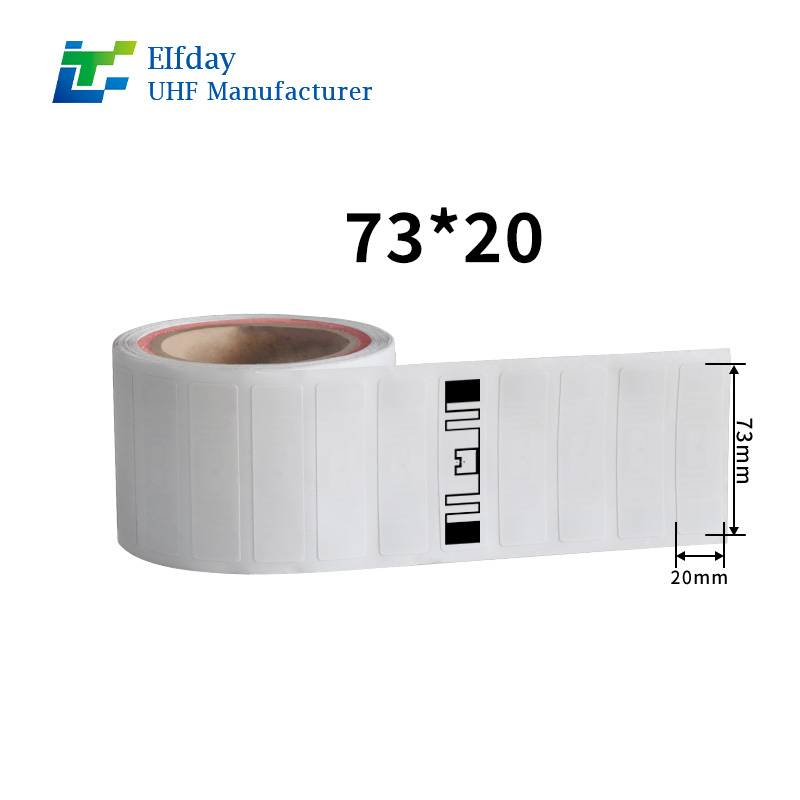
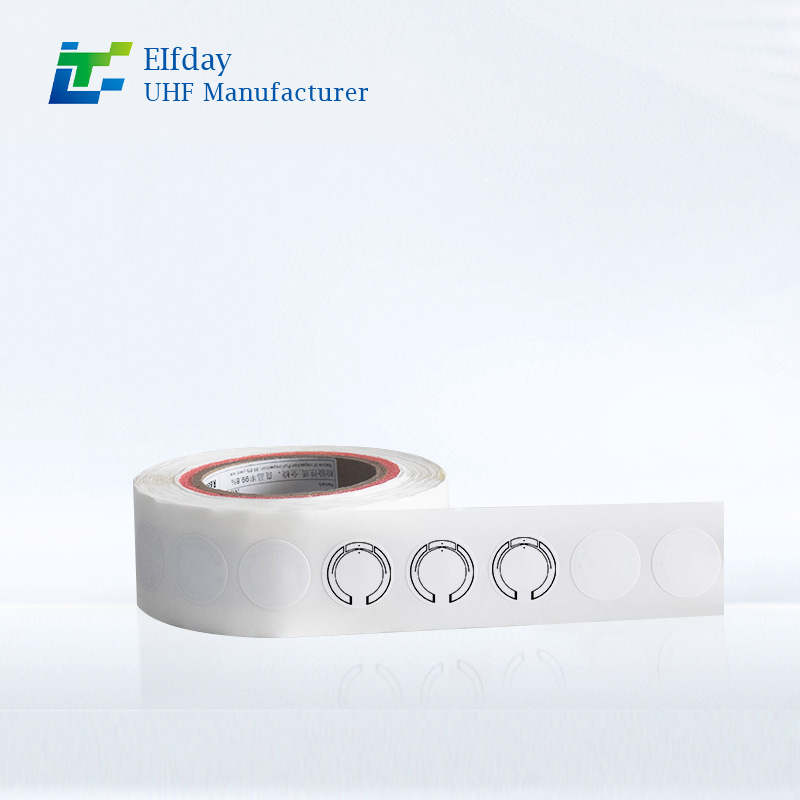
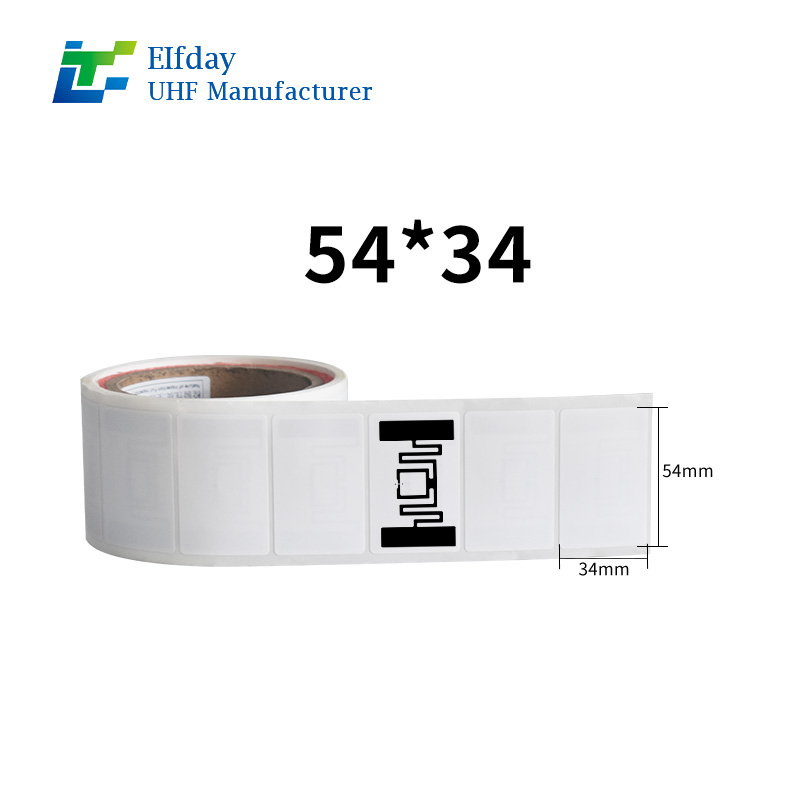
Transitioning to a tracked environment is easier than many administrators anticipate. Modern RFID tags for healthcare equipment are designed specifically for the rigors of the medical environment. They are waterproof, easy to clean with harsh disinfectants, and designed to withstand bumps and drops.
Implementation typically follows a phased approach. Starting with high-value, high-movement assets—such as infusion pumps, ventilators, and mobile patient lifts—provides an immediate win. Once the infrastructure is in place, scaling to other assets like wheelchairs, stretchers, and even fixed assets like beds themselves becomes seamless. The data generated from these systems also offers valuable analytics, allowing hospital leaders to identify patterns in equipment utilization and adjust staffing or purchasing strategies accordingly.
The Future of Bed Management
As healthcare moves toward value-based care, where reimbursement is tied to patient outcomes and satisfaction, operational efficiency can no longer be an afterthought. The hospital room is the center of the care universe. If that room is not ready when the patient arrives, or if the equipment in that room fails, the entire care experience suffers.
Integrating RFID tags for healthcare equipment into bed management strategies represents a shift from static inventory management to dynamic, data-driven operations. It bridges the gap between the clinical staff who need tools to save lives and the administrators who need to manage resources effectively.
In a landscape where margins are thin and demands are high, the ability to turn a bed faster, retain nursing staff, and utilize existing assets to their fullest potential is not just an operational advantage—it is a strategic imperative. For healthcare leaders looking to build a more resilient, responsive, and patient-centered facility, the path forward begins with seeing what you have, knowing where it is, and ensuring it is ready the moment the next patient walks through the door.