








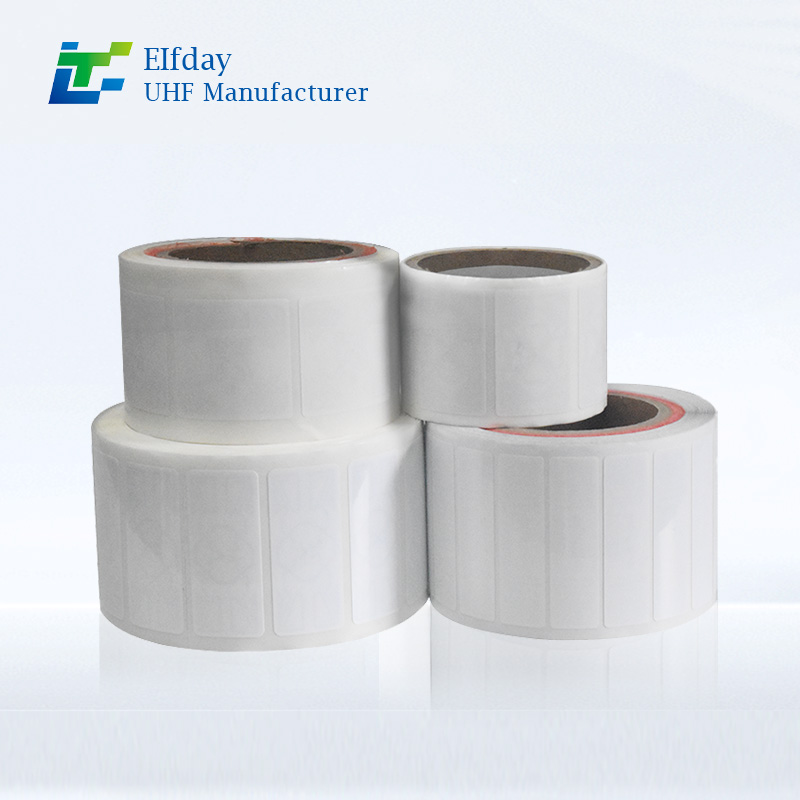
RFID Electronic Tags in Healthcare Applications and Benefits
The modern hospital is a paradox. It is a place of cutting-edge medical science, yet many of its daily operations—tracking inventory, managing medications, and locating equipment—still rely on clipboards, manual data entry, and line-of-sight scanning. This disconnect creates significant risks: medication errors, lost assets, and administrative burnout.
Enter the rfid electronic tag. Once known primarily for retail theft prevention, this technology has evolved into a critical component of healthcare infrastructure. By 2030, the healthcare RFID market is projected to reach $42.4 billion, growing at nearly 18% annually . This surge is driven by a simple value proposition: RFID enhances patient safety while driving operational efficiency.
Here is how healthcare facilities are leveraging the rfid electronic tag to transform care delivery and why your organization should consider adoption.
1. Pharmaceutical Traceability and Drug Authentication
Counterfeit drugs and supply chain errors are not just logistical headaches—they are life-or-death matters. The FDA’s Drug Supply Chain Security Act (DSCSA) has set stringent deadlines for serialization, pushing the industry toward electronic traceability .
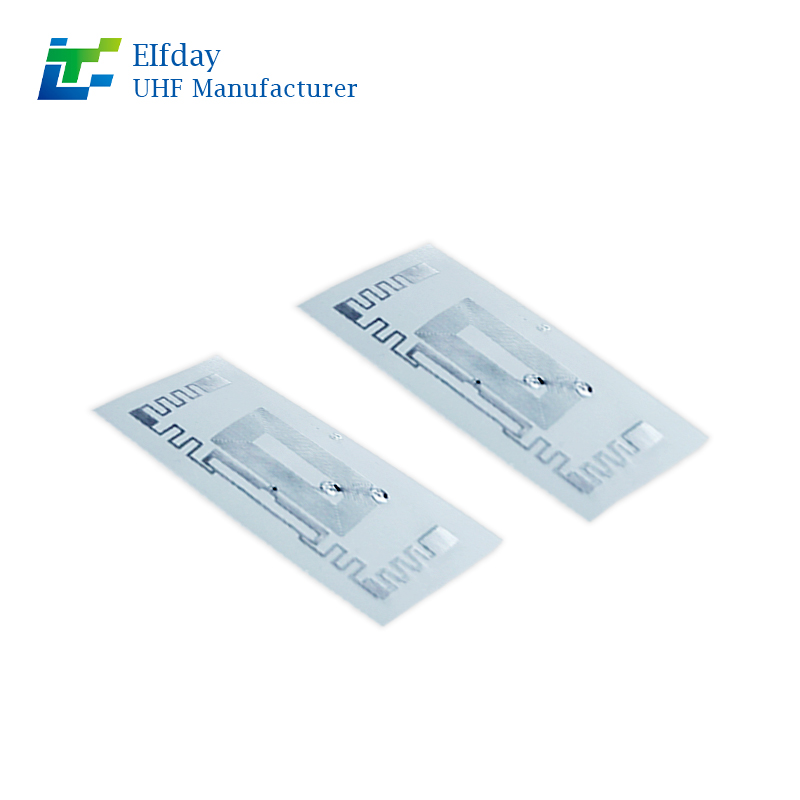
An rfid electronic tag offers a solution that barcodes cannot match. Unlike barcodes, which require line-of-sight and individual scanning, RFID readers can scan an entire case of medications instantly. When integrated with cloud platforms, these tags authenticate drugs at every node from manufacturing to the patient bedside. For high-value biologics and temperature-sensitive vaccines, RFID tags embedded with sensors can log temperature excursions, ensuring cold-chain compliance and preventing the estimated $35 billion in annual drug wastage caused by temperature breaches .
2. Real-Time Location Systems (RTLS) for Medical Assets
Hospitals are notorious for losing equipment. Wheelchairs, infusion pumps, and defibrillators often go missing, leading to delayed care and expensive replacement purchases. By attaching an rfid electronic tag to every high-value asset, staff can locate equipment instantly via real-time location systems.
This application goes beyond simple theft prevention. In operating rooms, where turnover time is money, RFID-enabled kits ensure that every surgical sponge, syringe, and tool is present before a procedure begins. If an item is missing or expired, the system alerts staff immediately, preventing delays and enhancing patient safety .
3. Enhancing Patient Safety and Medication Administration
Medication errors remain a leading cause of patient harm. Studies have shown that nearly 70% of intravenous medications have at least one clinical error in administration . RFID technology closes the loop on the "Five Rights" of medication administration: right patient, right drug, right dose, right route, and right time.
Hospitals are now integrating RFID reads with Electronic Medical Records (EMR). When a nurse scans an rfid electronic tag on a patient's wristband and a tag on a medication pack, the system automatically verifies a match and logs the administration data. This reduces paperwork and ensures that the medical record is updated in real-time without manual entry .
4. Laboratory and Specimen Management
In clinical labs, sample integrity is paramount. Mislabeling of specimens can lead to misdiagnosis and improper treatment. RFID tags provide a unique digital identity for each sample, allowing technicians to process hundreds of vials simultaneously without opening containers or risking contamination .
This "bulk read" capability saves thousands of labor hours. For example, equipment hire companies servicing the healthcare sector have reported cutting asset tagging time by 50% and saving over 3,400 hours annually by switching to RFID, allowing skilled staff to focus on patient care rather than paperwork .
5. The ROI of RFID: Cutting Costs and Waste
While patient safety is the primary driver, the financial argument for the rfid electronic tag is compelling. Globally, an estimated 8% of pharmaceutical stock expires or is discarded, representing a staggering $163 billion loss .
RFID enables "just-in-time" inventory management. Instead of stockpiling supplies "just in case," hospitals can track usage patterns and automate replenishment. Forward-thinking institutions are weighing the cost of RFID implementation against the cost of waste, shrinkage, and reimbursements, finding that the technology pays for itself by eliminating inefficiencies .
Challenges and Considerations
Despite its benefits, implementing RFID in healthcare is not without hurdles. Hospitals must consider the cost of retrofitting older buildings and the potential for electromagnetic interference with sensitive imaging equipment like MRI machines . However, advances in hybrid readers and zone-based architectures are mitigating these risks, allowing for safe coexistence.
Choosing the Right RFID Electronic Tag
Not all tags are created equal. For healthcare environments, buyers must look for:
Durability: Tags must withstand autoclaves, washing machines, and chemical sterilization .
Frequency: UHF/RAIN tags offer longer read ranges for inventory, while HF/NFC is ideal for bedside medication verification .
Data Security: Ensure tags comply with ISO standards and support encryption to protect patient data.
The healthcare industry is at a turning point. As regulatory pressures mount and the demand for transparency grows, the rfid electronic tag is moving from a "nice-to-have" to an essential piece of infrastructure. From stopping counterfeit drugs in their tracks to giving nurses back hours of their day, RFID is building a healthcare system that is safer, more efficient, and ready for the future.
If your facility is ready to reduce waste, eliminate errors, and improve patient outcomes, exploring an RFID-enabled solution is the next step toward digital transformation.