










RFID Tags for Aircraft Parts That Actually Read Reliably on Metal Surfaces
Let me start with a story that every MRO manager knows too well. A few years ago, I watched a major airline test a batch of standard RFID tags on their aluminum landing gear components. On the lab bench, away from any metal, the tags worked perfectly. Read range was great. Everything looked promising. Then they stuck the tags onto the actual parts – metal surfaces – and suddenly the read range dropped to almost nothing. Worse, half the tags wouldn’t read at all.
That team learned the hard way what many in aviation discover eventually. Metal surfaces are not just a minor obstacle. They actively kill standard RFID performance.
If you are responsible for tracking aircraft components, you already know that most of those parts are metal. Engine blades, fuselage panels, landing gear struts, wing flaps – all metal or metal‑backed composites. So when someone tells you they have RFID tags for aircraft parts that work reliably, your first question should be: do they work on metal?
Why most RFID tags hate metal
Here is the simple physics problem. Standard UHF RFID tags are designed with a dipole antenna that expects free space around it. When you place that tag directly onto a conductive surface like aluminum or titanium, the metal reflects the tag’s own signal back at it. This reflection changes the antenna’s tuning, effectively detuning it. The chip can no longer harvest enough energy from the reader, and the tag goes silent.
I have seen this happen hundreds of times. A maintenance team buys what looks like a rugged tag, slaps it on a metal part, and gets zero reads from more than two inches away. They blame the reader. They blame the software. But the real culprit is the tag itself. It was never designed for metal.
That is why genuine RFID tags for aircraft parts that work on metal use a completely different antenna architecture. They are not just “industrial” versions of retail tags. They are purpose‑built to use the metal surface as part of the antenna system.
What makes RFID tags for aircraft parts read reliably on metal
When you see a tag that actually works on a jet engine casing or a wing spar, it almost certainly uses one of two designs: on‑metal or metal‑mount. These tags incorporate a magnetic or patch‑antenna design that isolates the chip from the conductive surface. Instead of fighting the metal, the tag partners with it.
The best RFID tags for aircraft parts for metal surfaces have a few common features. First, they include a ferrite or other magnetic layer between the chip and the metal. This layer acts as a shield, preventing detuning. Second, their antenna geometry is optimized for proximity to metal – often a loop or slot design rather than a simple dipole. Third, they are typically thicker than standard tags because that spacing is part of the engineering.
I have tested dozens of these tags over the years. The ones that pass the test consistently deliver read ranges of three to five feet even when mounted directly on a thick aluminum block. The ones that fail? They struggle to read at six inches.
Why this matters for aviation more than any other industry
Think about the parts you track. A turbine blade is metal. A hydraulic actuator is metal. A quick‑change fastening panel is metal. Even many composite parts have metal backing plates or conductive coatings for lightning protection. So if your RFID tags for aircraft parts cannot handle metal, they cannot handle most of your inventory.
But there is another layer to this. In an MRO environment, you are not just reading tags in a clean, controlled warehouse. You are reading them on the flight line, in a hangar, often with other metal objects nearby. Nearby tools, adjacent parts, even the floor grating can cause interference. A tag that barely works on metal in a test lab will completely fail in that real‑world mess.
I once worked with a component repair shop that tried to save money by using off‑the‑shelf “rugged” tags. Those tags claimed to work on metal. In practice, they only worked when the part was isolated and the reader was held within two inches. As soon as the part went back into a bin with other metal parts, reads dropped to near zero. The shop wasted three months and thousands of labor hours trying to fix a problem that was never software or process – it was the tag itself.
How to spot RFID tags for aircraft parts that actually deliver on metal
When you evaluate RFID tags for aircraft parts, do not just read the datasheet. Run your own simple test. Take a piece of aircraft‑grade aluminum, clean it, and attach the candidate tag. Then try to read it from different angles and distances, with the tag mounted flat and also on an edge. Do the same test with the tag surrounded by other metal objects – a wrench, another part, a metal shelf.
A reliable tag will give you consistent reads from at least two feet away regardless of orientation. An unreliable tag will be unpredictable. Sometimes it reads, sometimes it doesn’t. And unpredictability is the enemy of an efficient MRO operation.
Also pay attention to how the tag handles proximity to metal on both sides. Some on‑metal tags work fine when the back is against metal but fail if metal also covers the front or sides. In real aircraft applications, parts are often stacked or installed in tight metal enclosures. You need RFID tags for aircraft parts that keep working even when they are surrounded.
Real performance from real aviation applications
Let me give you an example from a live deployment. A major rotorcraft manufacturer needed to track thousands of metal dynamic components – rotor blades, pitch links, swashplates. They tried three different “metal‑friendly” tags from well‑known suppliers. Only one type worked consistently after the parts were installed on the aircraft. That winning tag used a ceramic substrate and a specially tuned on‑metal antenna. It delivered a read range of over four feet even when the tag was recessed into a metal pocket.
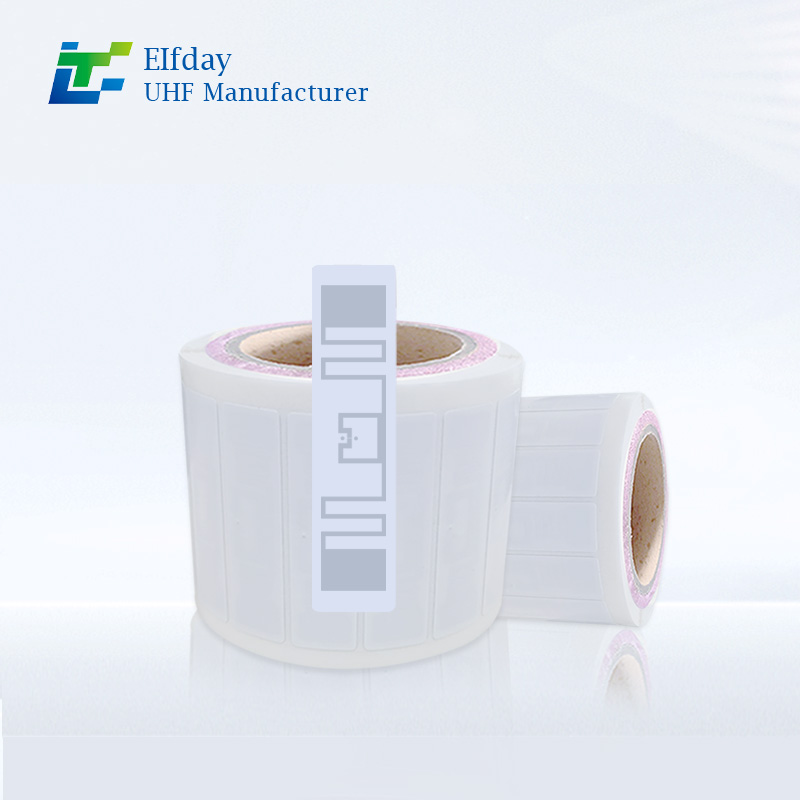
That manufacturer now uses those RFID tags for aircraft parts across their entire production line and aftermarket support. They told me their inventory accuracy went from the low 90s to 99.7 percent. And the best part? They no longer have to pull a part out of an assembly just to scan it. They scan it in place, on the metal surface, without moving anything.
Another example comes from an airline’s engine shop. They were tagging fan blades – each blade is a precision metal component. Old paper labels and barcodes would fall off after a few wash cycles. They switched to metal‑mount RFID tags for aircraft parts that are actually embedded into a small cavity on the blade root. Those tags survive hundreds of cleaning cycles and still read perfectly every time. The shop lead told me, “We used to spend two hours per engine just identifying blades. Now we do it in ten minutes.”
The cost of getting it wrong
You might think a tag is just a tag. But when you deploy RFID tags for aircraft parts that do not read reliably on metal, the cost shows up in ways you do not expect. Your team loses trust in the system. They start double‑checking manually, which kills the efficiency gain you wanted. Parts get misidentified, leading to wrong maintenance actions or unnecessary replacements. And eventually, someone gives up on RFID entirely, calling it a failed project.
I have seen that exact story play out at three different MRO facilities. Each time, the root cause was the same: cheap or misapplied tags that could not handle metal. Each time, the facility eventually switched to proper on‑metal tags and saw immediate improvement. But they had already wasted months and damaged their team’s confidence in the technology.
Do not let that happen to you.
What to look for when buying RFID tags for aircraft parts for metal surfaces
Based on real‑world success and failure, here is a short checklist. First, look for explicit “on‑metal” or “metal‑mount” specification from the manufacturer. If the datasheet does not say those words, assume the tag will not work. Second, ask for test data from an actual aviation environment – not just a lab bench. Third, check the tag thickness. Thicker tags generally have better metal isolation. Fourth, verify that the adhesive or mounting method works on oily or painted metal surfaces commonly found on aircraft parts.
And finally, ask about certification. For commercial aviation, SAE AS5678 is the standard that matters. Tags certified to that standard have been tested for performance on metal surfaces under real‑world conditions. If a supplier cannot provide that certification, keep looking.
The bottom line for your operation
You do not need RFID to be complicated. You need RFID tags for aircraft parts that simply work – every time, on every surface, especially metal. When you have those tags, everything else falls into place. Your inventory becomes visible. Your maintenance records become digital and searchable. Your team stops wasting hours hunting for parts or re‑scanning tags that won’t cooperate.
But if your tags fail on metal, none of that happens. You are left with an expensive, frustrating system that nobody wants to use.
So here is my advice. Before you roll out RFID across your MRO operation or parts supply chain, test your tags on the hardest surface you have – a big piece of aluminum or titanium, ideally one that is greasy or painted. If the tag reads clearly from a reasonable distance, you are on the right track. If it struggles, walk away and find a tag that is actually designed for metal.
The right RFID tags for aircraft parts exist. They are used every day by airlines, OEMs, and repair stations that refuse to accept mediocre performance. You just have to choose them. And once you do, you will wonder why you ever settled for less.