







RFID Tags for Healthcare: Enhancing Patient Safety and Efficiency
In healthcare, where precision and timeliness are critical, RFID tags have emerged as a transformative technology. By enabling real-time tracking and data exchange, these wireless devices are reshaping patient care, inventory management, and operational workflows. This article explores how RFID tags are revolutionizing healthcare, with a focus on patient safety and efficiency.

1. Patient Identification and Security
Accurate patient identification is the cornerstone of safe healthcare delivery. Traditional methods like paper wristbands are prone to errors, but RFID-enabled wristbands offer a robust solution. These wristbands store vital information such as allergies, blood type, and medical history, which can be instantly accessed via a scanner. For example, Pratt Regional Medical Center uses RFID ankle bands to prevent infant abductions. The system triggers alarms if a tag is tampered with or moved near an exit, ensuring newborns remain secure.
Similarly, RFID tags help monitor patients with cognitive impairments. By integrating with real-time location systems (RTLS), hospitals can track wandering patients and prevent accidents. This proactive approach reduces liability risks and enhances family confidence.
2. Streamlining Medication and Inventory Management
Medication errors account for thousands of preventable deaths annually. RFID tags address this by enabling end-to-end drug traceability. Each medication package or vial is labeled with a tag that records its batch number, expiration date, and storage conditions. Pharmacists can scan tags to verify accuracy during dispensing, while smart cabinets automatically update inventory levels. A study by Axia Institute found that UHF RFID technology achieves a 95.6% read rate for pharmaceutical products, ensuring reliable supply chain tracking.
In surgical settings, RFID tags attached to high-value implants (e.g., pacemakers) eliminate discrepancies in usage and billing. The technology also optimizes inventory management by reducing stockouts and waste.
3. Enhancing Surgical Efficiency and Safety
The operating room (OR) demands meticulous coordination. RFID tags play a pivotal role in surgical instrument management. Each tool is embedded with a tag that logs its sterilization history and location. This prevents contaminated instruments from being used and ensures all items are accounted for post-surgery, reducing the risk of retained objects.
In a large hospital. Patients wear RFID wristbands that communicate with sensors, allowing staff to monitor patient flow and allocate resources efficiently. Alerts notify housekeepers when rooms need cleaning and warn of overcrowded recovery areas, streamlining operations.

4. Infection Control and Compliance
Infection control is a constant challenge in healthcare. RFID tags support hygiene monitoring by tracking handwashing compliance. Staff members wear badges with tags that interact with sanitizer dispensers, logging each use. This data helps hospitals identify trends and improve training programs.
For medical waste management, RFID-tagged bins ensure proper disposal of hazardous materials. The system tracks waste from collection to incineration, ensuring regulatory compliance and minimizing environmental risks.
5. Future Trends and Challenges
As healthcare evolves, RFID technology is integrating with advanced tools like AI and 5G. For example, AI algorithms can analyze RFID data to predict equipment maintenance needs or optimize patient scheduling. Meanwhile, 5G-enabled RTLS offers faster, more precise location tracking, enhancing emergency response times.
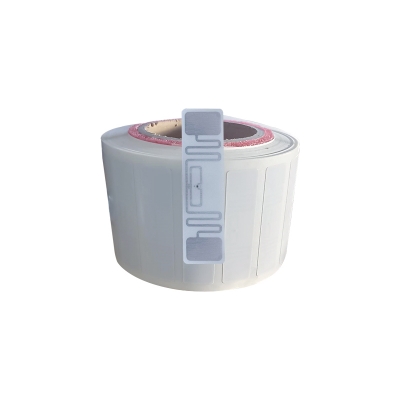
However, challenges remain. Initial implementation costs and data privacy concerns require careful planning. Hospitals must also ensure interoperability between RFID systems and existing healthcare IT infrastructure.
RFID tags are not just tools—they are catalysts for change in healthcare. By improving patient safety, optimizing workflows, and reducing errors, they deliver measurable ROI while elevating care quality. As technology advances, the integration of RFID with IoT and AI will unlock even greater potential, making healthcare smarter, safer, and more efficient.