













The Role of RFID Book Tags in Modern Library Management Systems
In today’s fast-paced digital world, libraries are under increasing pressure to modernize their operations while delivering exceptional service. Enter RFID book tags—the transformative technology revolutionizing library management in American libraries. These small electronic devices are changing the way libraries track, manage, and interact with their collections, offering significant improvements in efficiency and user experience.
What Are RFID Book Tags?
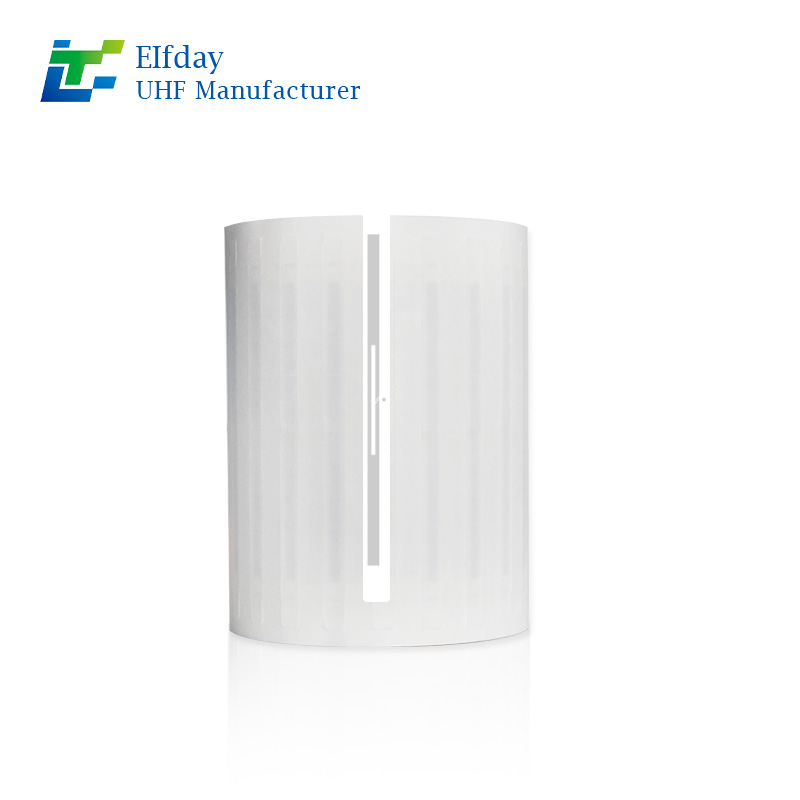
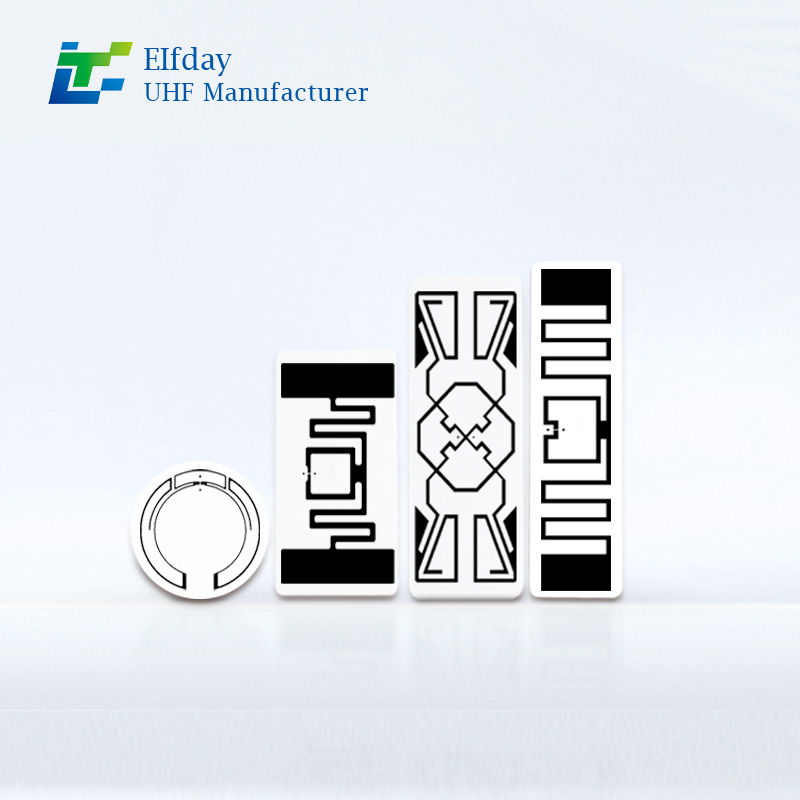
RFID book tags are intelligent labels equipped with microchips and antennas that use radio frequency identification (RFID) technology to track and manage library materials. Unlike traditional barcodes, which require direct line-of-sight scanning, RFID tags can be read quickly and simultaneously without physical contact. This capability unlocks a world of possibilities for library automation, making processes faster and more convenient for both patrons and staff.
How RFID Book Tags are Transforming Library Operations
1. Streamlined Checkouts and Returns
With RFID book tags, checkout times are significantly reduced—from an average of 30 seconds per item to mere seconds, even for multiple items. Libraries using RFID technology have reported an increase in circulation by up to 30%, thanks to the speed and ease of the process. Not only do patrons appreciate the faster service, but library staff can focus on more meaningful tasks, such as helping visitors with information needs.
2. Revolutionizing Inventory Management
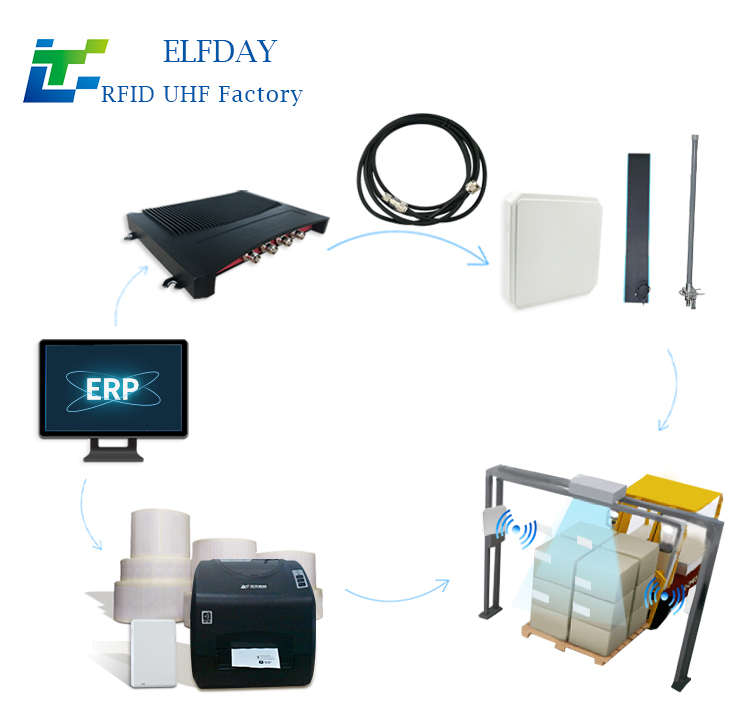
Traditional inventory management using barcodes can take weeks of work, requiring materials to be removed from shelves and scanned individually. With RFID book tags, libraries can complete inventory in hours by scanning entire shelves without disturbing the arrangement. This automation helps ensure collections are organized, items are quickly located, and the accuracy of inventory reaches close to 100%.
3. Enhanced Security and Theft Prevention
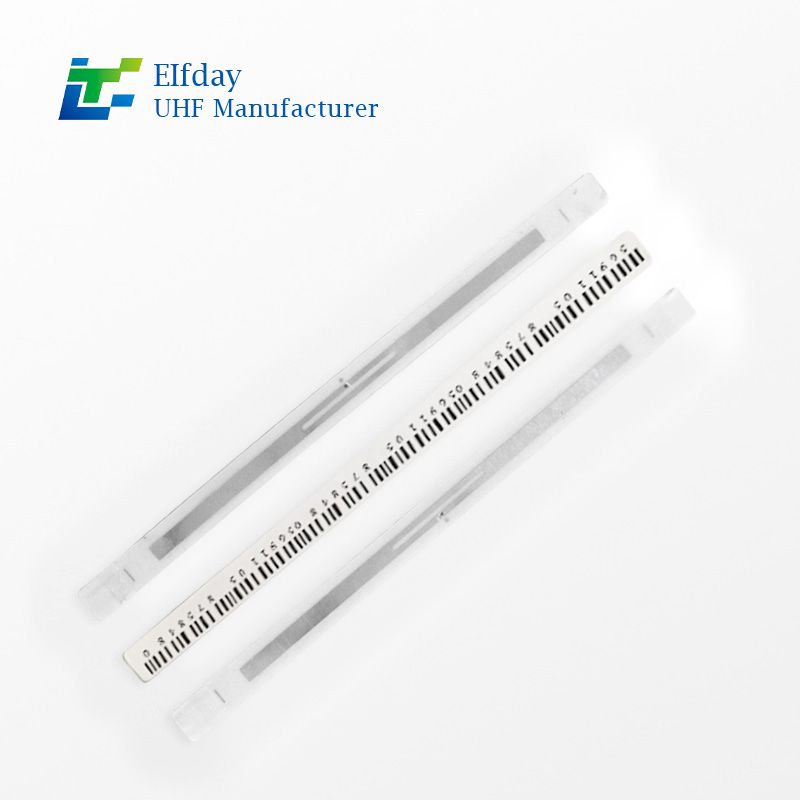
RFID technology integrates seamlessly with library security systems, offering better protection compared to traditional electromagnetic systems. RFID book tags serve dual purposes: they track materials and protect them from theft. This eliminates the need for separate security strips, simplifying processing while significantly improving theft detection and prevention.
4. Empowering Self-Service Solutions
Today’s library users expect the convenience of self-service options. RFID book tags enable easy-to-use self-checkout stations that even young children can operate independently. These systems provide 24/7 access to library materials, fulfilling the growing demand for autonomy and convenience in libraries across the U.S.
The Financial Case for RFID Book Tags
While the initial investment in RFID technology may seem significant, the long-term benefits make it a sound financial choice for libraries:
Staff Efficiency: Libraries report reallocating 30-50% of circulation desk hours to higher-value patron services and programming.
Reduced Losses: RFID reduces material loss, improving inventory control and protecting valuable resources.
Increased Circulation: Faster and more efficient processes lead to more frequent visits and increased material usage.
Long-Term Savings: RFID tags have a longer lifespan than barcodes, requiring minimal maintenance and providing ongoing value.
What to Consider When Implementing RFID in Your Library
When transitioning to RFID book tags, consider these key factors:
Phased Implementation: Start with new acquisitions and gradually retrofit older collections to minimize disruption.
Tag Selection: Choose RFID tags specifically designed for library materials, ensuring durability and readability.
System Integration: Ensure the RFID system is compatible with your current library management software to facilitate a smooth transition.
Patron Education: Clearly communicate the benefits of RFID technology to patrons to ensure they understand the new processes and benefits.
The Future of RFID in Libraries
As RFID technology continues to evolve, libraries are discovering even more ways to use it:
Smart Shelves: Detect when items are out of place or missing.
Mobile Integration: Enhance the patron experience with mobile apps that provide personalized recommendations and alerts.
Advanced Analytics: Leverage data to optimize collections based on actual usage patterns.
Automated Material Handling: Increase efficiency in large library systems or distribution centers.
Why U.S. Libraries are Switching to RFID
In an era where Americans expect the same level of convenience from libraries as they get from online retail giants, libraries must adapt to remain relevant. RFID book tags offer the technological foundation needed to deliver superior service while operating more efficiently. Libraries that embrace RFID are not only enhancing their operations but also future-proofing their services for the next generation of library users.
Ready to Transform Your Library’s Efficiency?
Adopting RFID book tags signals a commitment to both technological advancement and exceptional patron service. As libraries evolve, those that integrate cutting-edge technologies will be the ones to thrive. Whether you’re looking to improve operational efficiency, enhance user experience, or safeguard your collection, RFID book tags offer the solution.
Contact RFID solutions providers today to learn how this powerful technology can revolutionize your library management system and prepare your institution for the future of library services.