














The Role of RFID Tags in Book Identification and Tracking
In today's fast-paced world, libraries, bookstores, and educational institutions are looking for ways to enhance their operations and improve user experience. One of the most transformative technologies that have revolutionized book management is RFID tags for books. Radio Frequency Identification (RFID) technology provides a smarter, more efficient way to identify, track, and manage books. In this article, we will explore the crucial role that RFID tags play in book identification and tracking, and why investing in RFID tags for books is a game-changer for libraries and bookstores alike.
What are RFID Tags for Books?
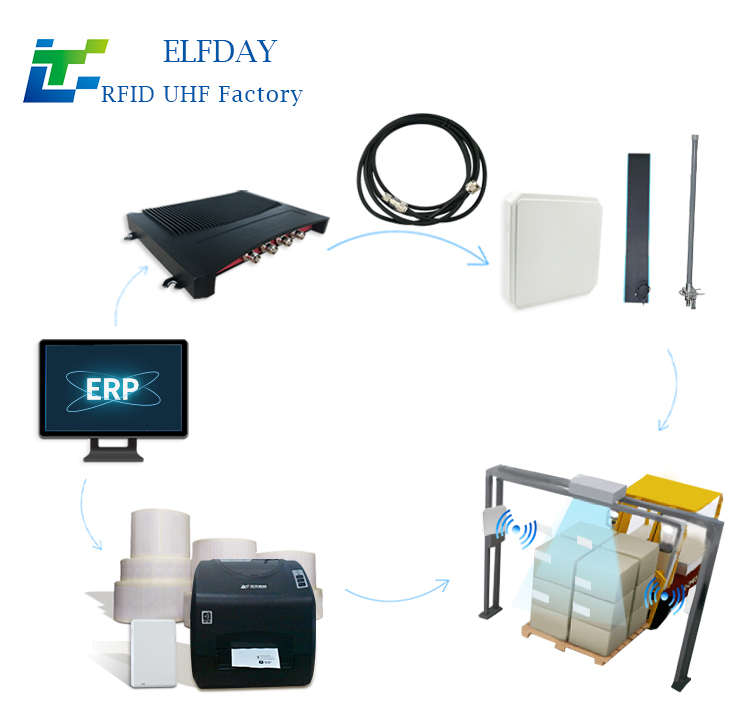
RFID tags for books are small, secure labels embedded with a microchip and an antenna that communicates with an RFID reader using radio waves. Each RFID tag contains unique information about a specific book, such as its title, author, and identification number. These tags are a part of an automated system that allows libraries, bookstores, and educational institutions to quickly identify and track books without the need for manual intervention.
How RFID Tags Improve Book Identification
Book identification is an essential part of managing any library or bookstore, and RFID tags for books play a vital role in making this process quick and accurate. Unlike traditional barcode systems, which require line-of-sight scanning, RFID tags can be read from a distance and through obstacles. This allows for faster identification, even when books are stacked together or on shelves with limited access.

Using RFID tags for books helps ensure that each item in the collection is uniquely identified and easily accessible, reducing the risk of misplacement. Whether books are in storage or on a shelf, the RFID system can pinpoint their exact location in real-time. This automated identification system streamlines book tracking and ensures that no book is ever lost or misplaced.
The Role of RFID Tags in Book Tracking
Tracking books within a library or bookstore can be a time-consuming and error-prone task if done manually. RFID tags for books significantly improve this process by providing a fast, automated way to monitor the movement of books throughout their lifecycle.
Inventory Management: With RFID technology, staff can conduct full inventory checks in a fraction of the time it would take using barcodes. A single scan of an RFID reader can detect multiple books at once, allowing libraries and bookstores to check the status of all items on a shelf in a matter of seconds. This reduces the need for manual inventory and ensures that stock levels are always up-to-date.
Book Borrowing and Returns: RFID tags for books also streamline the borrowing and returning process. Patrons can easily check out books with minimal wait times, simply by placing their books on an RFID-enabled desk or kiosk. When books are returned, the RFID system automatically updates their status in the database, ensuring that the records are accurate and that the books are properly stored for the next user.
Real-Time Tracking: One of the key advantages of RFID tags for books is their ability to provide real-time tracking. Whether it’s monitoring the movement of books between departments or ensuring that books are correctly shelved after being returned, RFID technology offers precise, up-to-date tracking of each book. This improves operational efficiency and helps eliminate the chances of misplaced or lost books.
Improving Book Security with RFID Tags
Book theft is a significant issue for libraries and bookstores. RFID tags for books offer an effective solution to combat this problem by providing an added layer of security. Each RFID tag is equipped with a unique identifier, allowing the system to track whether a book has been properly checked out.
Libraries can install RFID gates at entry and exit points that will alert staff if a book is taken without being checked out. In the event of a theft, the RFID system can immediately notify staff, enabling them to take quick action. This helps libraries and bookstores reduce losses and ensures that patrons adhere to borrowing policies.
Enhancing User Experience with RFID Tags
RFID tags for books not only benefit library staff but also improve the user experience. The streamlined processes enabled by RFID technology make it easier for patrons to borrow and return books. Users can enjoy faster checkouts and check-ins, minimizing wait times and improving overall satisfaction.
Furthermore, RFID technology allows libraries and bookstores to introduce self-service kiosks, where users can check out books on their own without the need for staff intervention. This level of convenience makes it easier for patrons to interact with library services and boosts overall customer satisfaction.
Why RFID Tags for Books Are a Smart Investment
Investing in RFID tags for books is a smart decision for libraries, bookstores, and educational institutions looking to enhance operational efficiency, improve book tracking, and provide a better user experience. Here are some of the key reasons why RFID technology is a worthwhile investment:
Improved Efficiency: RFID tags streamline inventory management, book borrowing, and returns, saving both time and resources. The ability to track books in real-time reduces manual work and improves accuracy.
Cost-Effective: While the initial setup cost for RFID tags may seem high, the long-term benefits far outweigh the investment. With RFID, libraries and bookstores can reduce the labor required for manual book tracking and improve security, ultimately saving money in the long run.
Enhanced Security: RFID tags offer an extra layer of security, helping to reduce book theft and loss. The system can immediately alert staff if a book is taken without proper checkout.
Better User Experience: Faster, more efficient processes translate into a better experience for patrons. With RFID, users can enjoy quick, hassle-free checkouts and returns, creating a positive impression of your library or bookstore.
RFID tags for books are transforming the way libraries and bookstores identify, track, and manage their collections. From improving book identification to enhancing security and user experience, RFID technology offers a wealth of benefits. Libraries and bookstores that adopt RFID tags can streamline their operations, reduce errors, and create a more efficient and enjoyable environment for their patrons.
If you're ready to modernize your library or bookstore and improve the management of your books, investing in RFID tags for books is the right choice. Contact us today to learn more about how RFID technology can revolutionize your operations and provide long-term value.