








The Role of UHF RFID Tags in Automotive Manufacturing
In the fast-paced world of automotive manufacturing, precision is everything. A single error in the supply chain or a misplaced component on the assembly line can lead to costly downtime or recalls. As the industry shifts toward Industry 4.0 and smart factories, the demand for real-time data and automation has skyrocketed. At the heart of this transformation lies a small but powerful piece of technology: the UHF RFID tag.
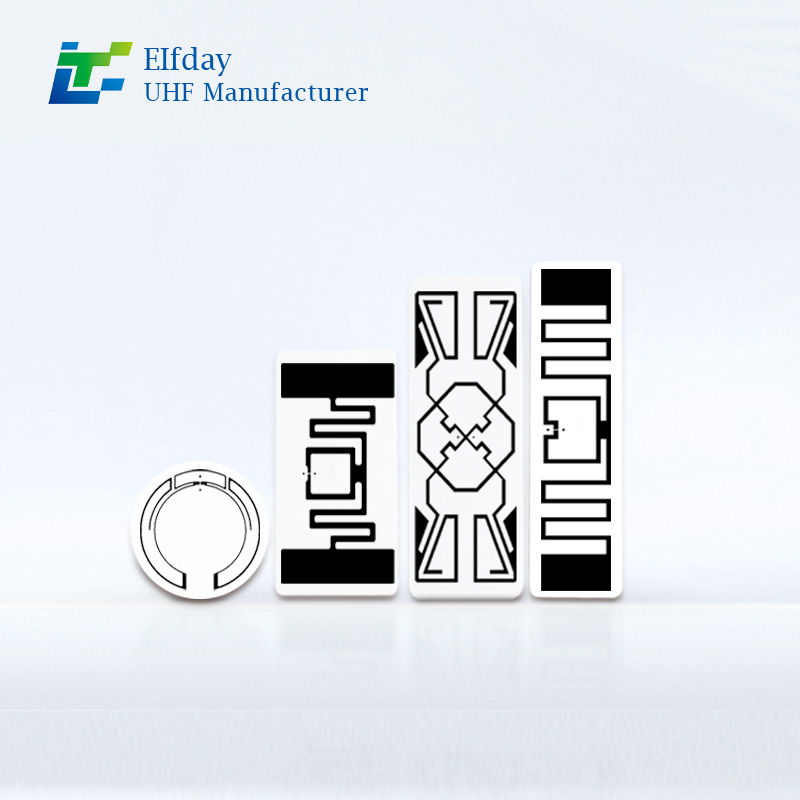
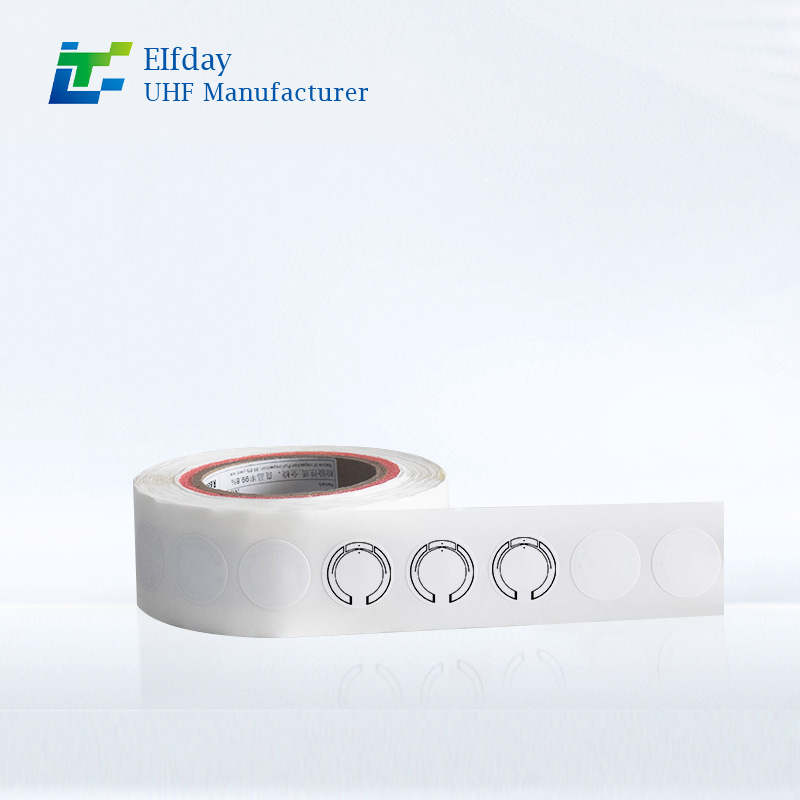
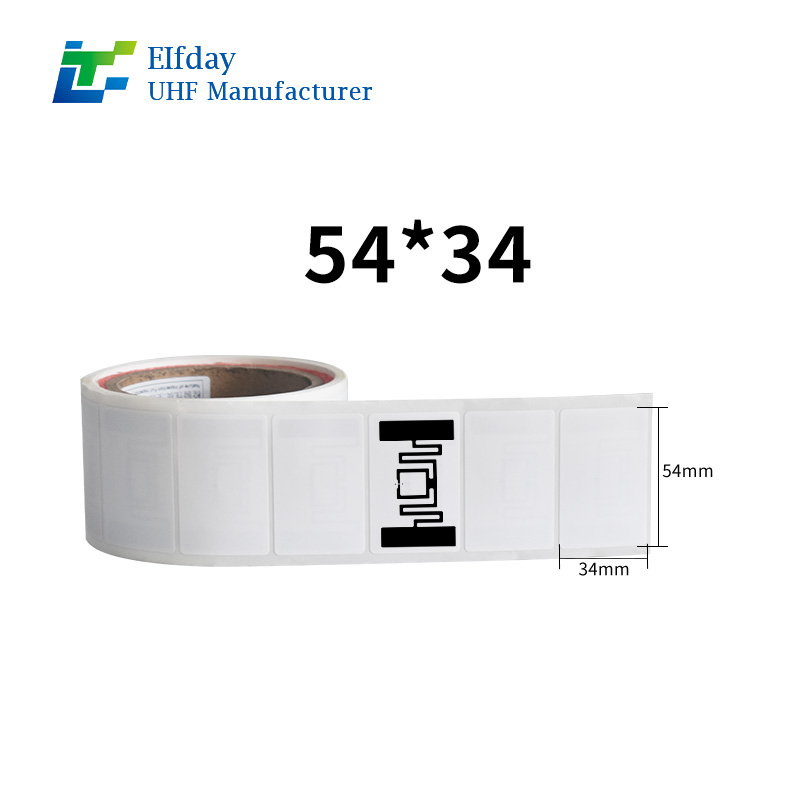
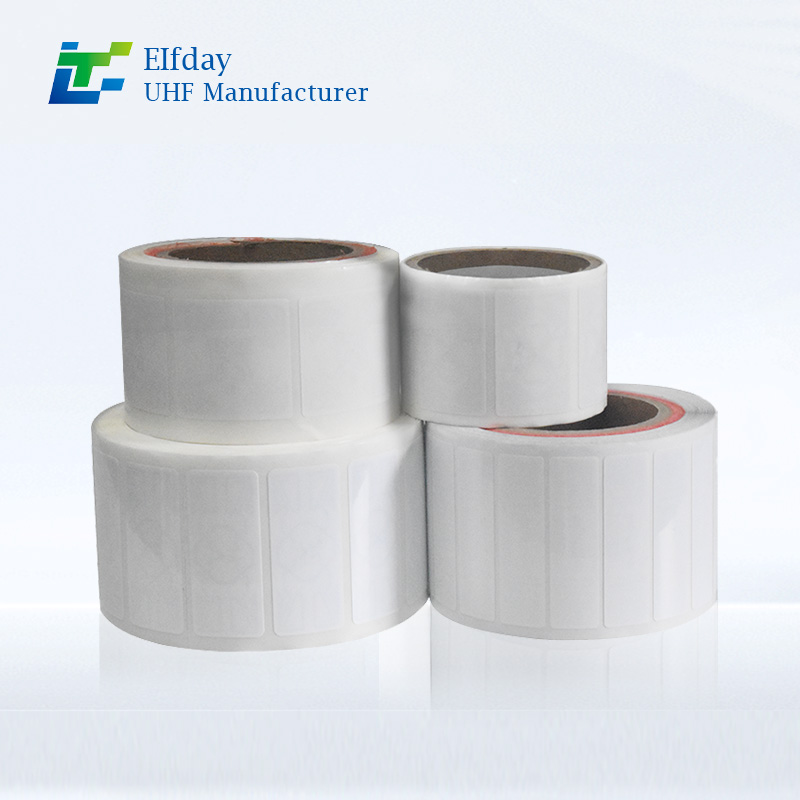
While barcodes and traditional tracking methods are becoming obsolete, Ultra-High Frequency Radio Frequency Identification (UHF RFID tag) technology offers the durability, read range, and data capacity that modern automotive production demands. This article explores the critical role of UHF RFID tag systems in streamlining operations, reducing errors, and ultimately, driving profitability in automotive manufacturing.
Why Automotive Manufacturing Demands UHF RFID
Automotive production lines are among the harshest environments for tracking technology. Components are subjected to extreme heat, paint sprays, electromagnetic interference, and physical stress. Unlike standard tracking labels, a high-quality UHF RFID tag is engineered to survive these conditions .
According to recent feasibility studies, the logistics industry has long used disposable UHF labels for tracking, but technological improvements now allow these tags to perform reliably on metal surfaces and near liquids—conditions previously challenging for RFID . This evolution means that automotive original equipment manufacturers (OEMs) can now replace expensive, proprietary tags with standardized, high-performance UHF RFID tag solutions without compromising on data integrity .
Key Applications of UHF RFID Tags in Production
1. Vehicle Tracking and Work-in-Progress Management
From the moment a chassis enters the production line, it needs to be identified. By attaching a durable UHF RFID tag to the vehicle body or pallet, manufacturers can automatically track the vehicle through every stage of production .
Real-Time Location: Readers placed at key checkpoints monitor the vehicle"s location within large facilities, providing transparency from the body shop to the final assembly line .
Error Reduction: Automated tracking minimizes the risk of human error associated with manual data entry, ensuring that the right vehicle receives the right components and follows the correct production sequence .
2. Parts and Inventory Management
Automakers deal with thousands of parts—from engines to fasteners—moving in and out of inventory. Manual checks are labor-intensive and prone to mistakes. Implementing a UHF RFID tag strategy allows for bulk reading of parts on pallets or racks in seconds .
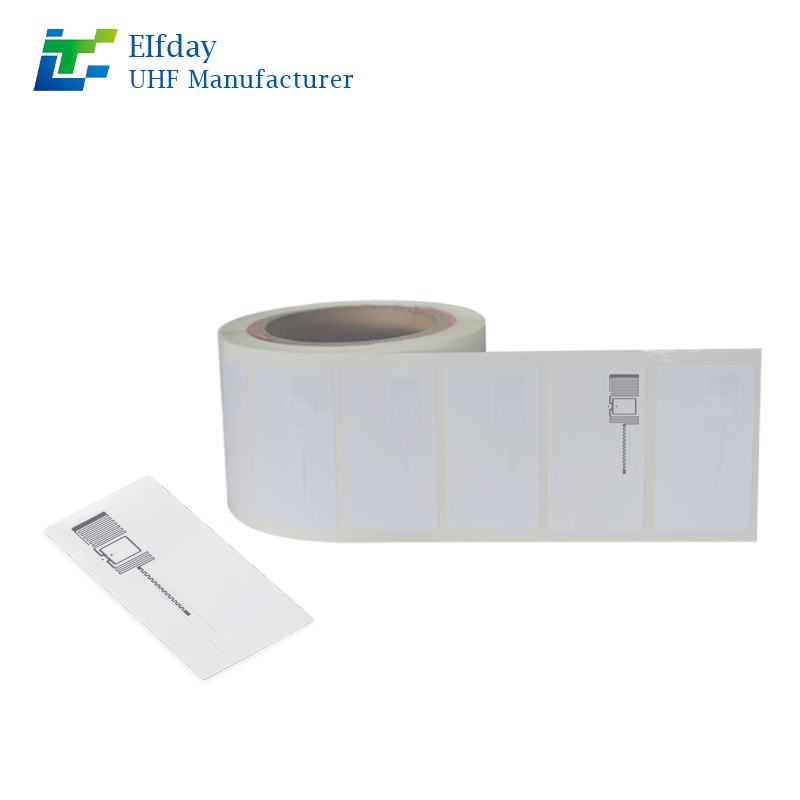
Simultaneous Scanning: Unlike barcode scanners that require line-of-sight, UHF RFID tag readers can capture data from hundreds of items simultaneously .
Lean Inventory: By maintaining accurate, real-time inventory data, manufacturers can minimize parts shortages or surpluses, optimizing the entire supply chain .
3. Tool Tracking and Asset Management
Lost tools during field interventions or within the plant lead to delays and replacement costs. Brady, a leader in identification solutions, highlights that labeling equipment with passive, battery-free UHF RFID tag labels allows for automated inventory checks .
Instant Verification: Technicians can scan a vehicle or tool cabinet to instantly see which tools are present and which are missing, saving substantial time per vehicle or intervention .
Durability: Industrial-grade RFID labels are designed to withstand UV exposure, dust, and moisture, ensuring they remain legible and functional throughout the tool"s lifecycle .
4. Quality Control and Traceability in Final Assembly
Final assembly requires precise data exchange between tier suppliers and the manufacturer. Systems like Omron"s V780 utilize UHF RFID tag communication to ensure reliable detection of body components .
Focus Mode Technology: Advanced readers offer "focus mode" and automatic power tuning to maximize read rates and minimize misreads, even in dense RF environments .
Seamless Data Flow: RFID technology helps create a seamless process for parts delivery, ensuring that the data captured at inbound logistics matches the material transported to the assembly line .
Choosing the Right UHF RFID Tag for Automotive Applications
Not all tags are created equal. When selecting a UHF RFID tag for automotive manufacturing, several factors must be considered to ensure performance and return on investment (ROI).
On-Metal Performance
Automotive components are primarily metal, which can interfere with RF signals. Specialized "on-metal" UHF RFID tag designs, such as those using PCB antennas and aluminum alloy back panels, are engineered to perform optimally when mounted directly on metal surfaces .
Read Range and Frequency
Depending on the application, read range requirements vary. For vehicle identification in parking or logistics, a long-range UHF RFID tag (operating at 860-960 MHz) with a read distance of 3 to 15 meters is ideal . For work-in-progress tracking on a congested assembly line, a shorter, more controlled range might be preferred to prevent reading the wrong item.
Environmental Resistance
Automotive tags must endure high-temperature paint ovens and chemical exposure. High-quality tags are encapsulated in engineering plastics and sealed via ultrasonic welding to be shockproof, waterproof, and dust-proof .
Compliance and Standards
Ensure the UHF RFID tag complies with global standards such as ISO 18000-6C or EPC Class 1 Gen 2 . This ensures interoperability with existing reader infrastructure and global supply chain partners.
The Financial Case: Why Investing in Quality Tags Pays Off
The initial cost of implementing RFID is often a concern, but the long-term savings are undeniable. A study on the feasibility of disposable UHF RFID tag use in automotive lines proved that single-use tags can successfully replace expensive, problematic tags currently used in most domestic automobile OEMs, offering both technical and economic feasibility .
Consider the cost-benefit analysis:
Labor Savings: Automating inventory checks saves substantial time per vehicle .
Error Reduction: Real-time tracking reduces the need for rework and the costs associated with misbuilt vehicles .
Asset Utilization: Knowing exactly where tools and work-in-progress are located reduces capital expenditure on replacement equipment .
Regulatory Compliance: With regulations like the European Digital Product Passport (DPP) on the horizon, traceability is becoming mandatory. Embedding a UHF RFID tag in components (like tires) allows for full lifecycle traceability from production through recycling, supporting sustainability efforts .
Success Stories: RFID in Action
The theory is sound, but the proof is in the implementation. Major automotive players are already reaping the benefits:
Tire Manufacturing: Companies like Hana RFID have been embedding RAIN RFID (UHF) tags directly into tire molds since 2005. With over 250 million tires tagged, these UHF RFID tag solutions support maintenance recording, inventory tracking, and fleet management, proving their reliability from motorsports to commercial fleets .
OEM Assembly: Ford has integrated UHF RFID into its parts management system. By tagging key components and deploying readers, they effectively keep track of parts inventory, ensuring the right components are always available for production .
Future Trends: The Evolution of the UHF RFID Tag in Automotive
As we look toward 2026 and beyond, the role of the UHF RFID tag will only expand. The RAIN Alliance, which promotes UHF RFID adoption, projects that over 100 billion RAIN tag chips will be shipped annually by 2028, with automotive being a critical sector for this growth .
We are moving toward a fully connected factory where every component, tool, and vehicle carries a digital identity. The UHF RFID tag is the backbone of this digital twin, providing the data needed to simulate, analyze, and control manufacturing processes in real-time.
The automotive industry is at a tipping point. To remain competitive, manufacturers must embrace technologies that offer efficiency, accuracy, and resilience. The UHF RFID tag is no longer just a "nice-to-have" for logistics; it is a critical component of modern automotive manufacturing.
From surviving the paint shop to ensuring the right engine meets the right chassis, UHF RFID tag technology ensures that the entire production ecosystem operates in harmony. By investing in durable, high-performance tags, automotive manufacturers can eliminate waste, reduce errors, and build the smart factories of the future.
Ready to transform your production line?
If you are looking to improve traceability and reduce operational costs, explore our range of industrial UHF RFID tag solutions designed specifically for the automotive industry. [Contact our experts today] for a consultation and free sample kit.