








UHF RFID Solutions for Logistics and Warehouse Automation
In the fast-paced world of logistics and supply chain management, the margin for error is thinner than ever. With rising fuel costs, labor shortages, and the e-commerce demand for "same-day delivery," warehouses are under immense pressure to perform perfectly. Manual processes and traditional barcode scanning, once the backbone of inventory management, have become bottlenecks.
Enter UHF RFID (Ultra-High Frequency Radio Frequency Identification). This technology is not just an upgrade; it is a fundamental shift toward total automation. By leveraging advanced UHF RFID tag technology, companies are slashing operational costs, eliminating shipping errors, and achieving real-time visibility across their entire supply chain .
If you are looking to automate your logistics operations, understanding the power of the right UHF RFID tag is the first step toward future-proofing your business.
What Makes UHF RFID the Backbone of Modern Logistics?
Unlike HF RFID or barcodes, UHF RFID operates at frequencies between 860-960 MHz, allowing for a read range of up to 10-15 meters . This long-range capability means you can scan an entire pallet of goods in seconds without needing a direct line of sight.
Leading logistics organizations are seeing tangible ROI by deploying RAIN RFID (a type of UHF RFID) solutions. For example, UPS deployed the technology across over 1,000 facilities and reduced misloads by a staggering 67% . This level of efficiency is achieved because a single UHF RFID tag can be read simultaneously with hundreds of others, automating processes that used to require dozens of manual scans .
The Heart of the System: Choosing the Right UHF RFID Tag
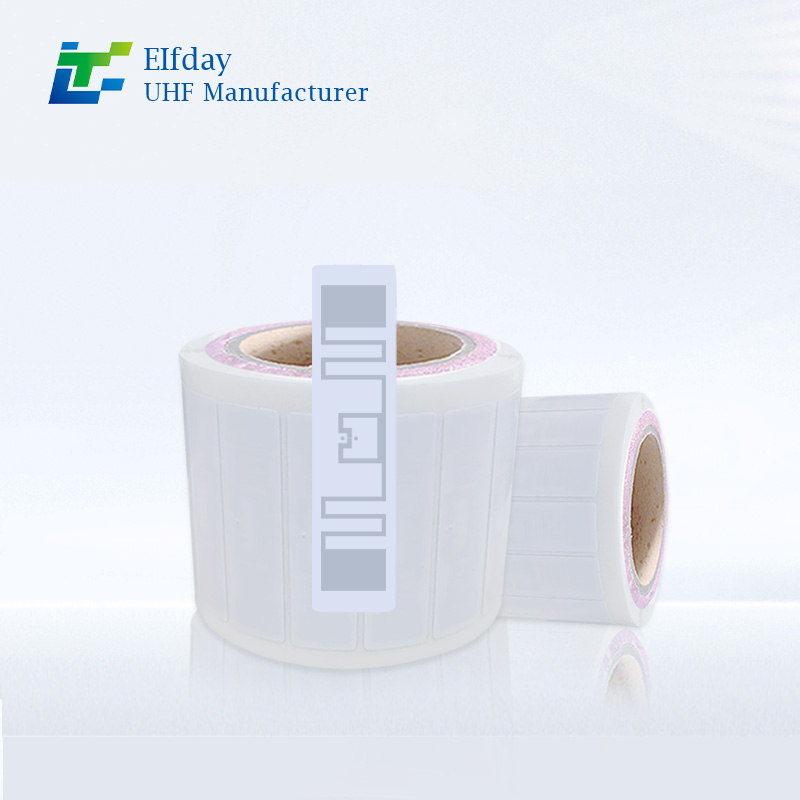
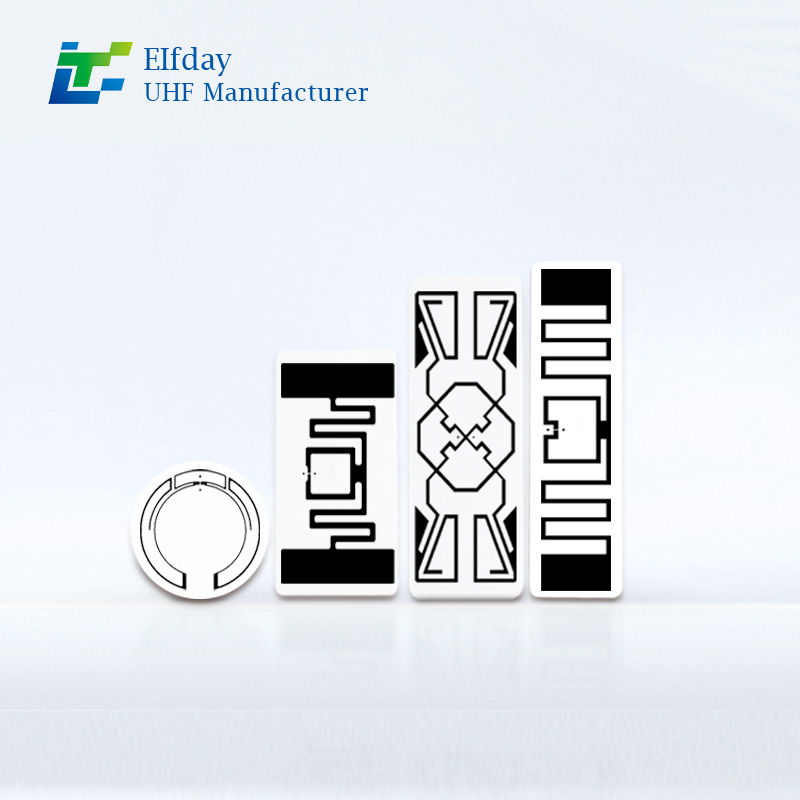
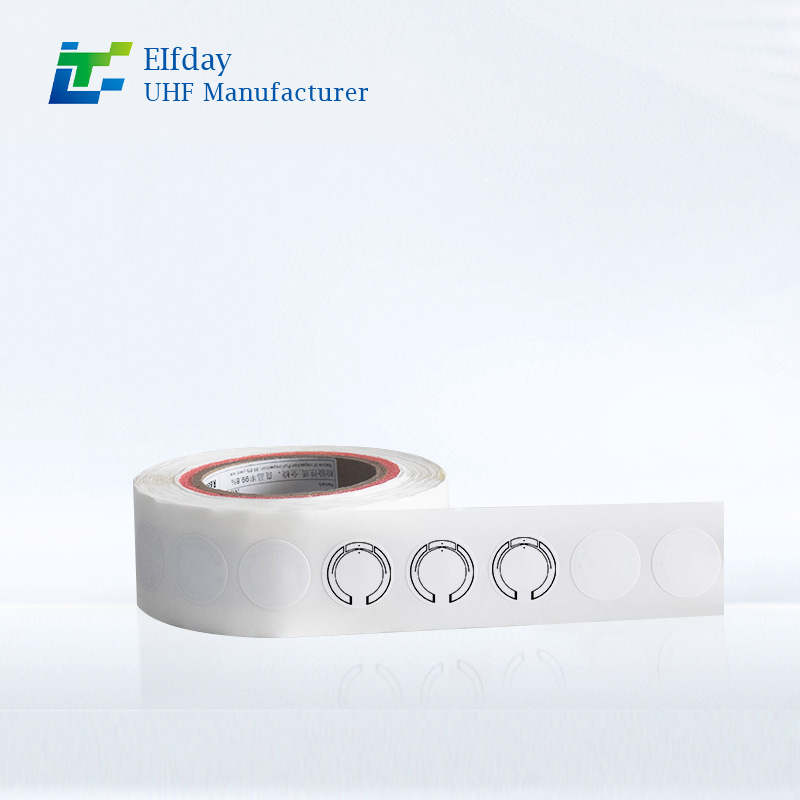
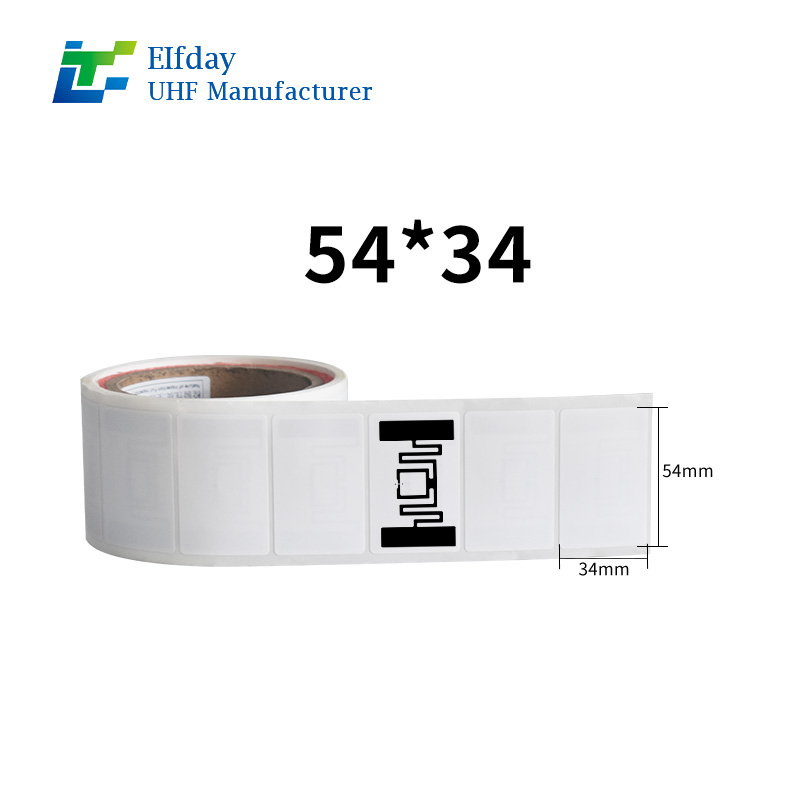
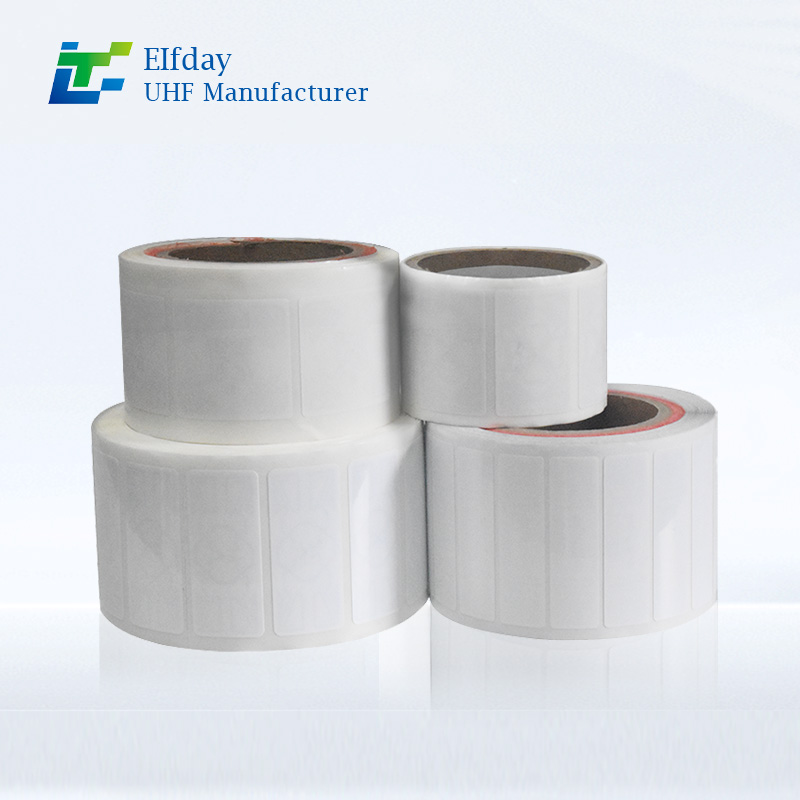
Not all RFID tags are created equal. In a warehouse environment, your choice of UHF RFID tag determines the success of your automation project. Here is what you need to consider to ensure you get a strong ROI:
1. Durability for Harsh Environments
Warehouses can be tough. Temperatures fluctuate, dust accumulates, and equipment can be knocked around. High-performance UHF RFID tags are designed to withstand these conditions. Look for tags that are waterproof, dustproof, and offer a wide operating temperature range (typically -40°C to 85°C) .
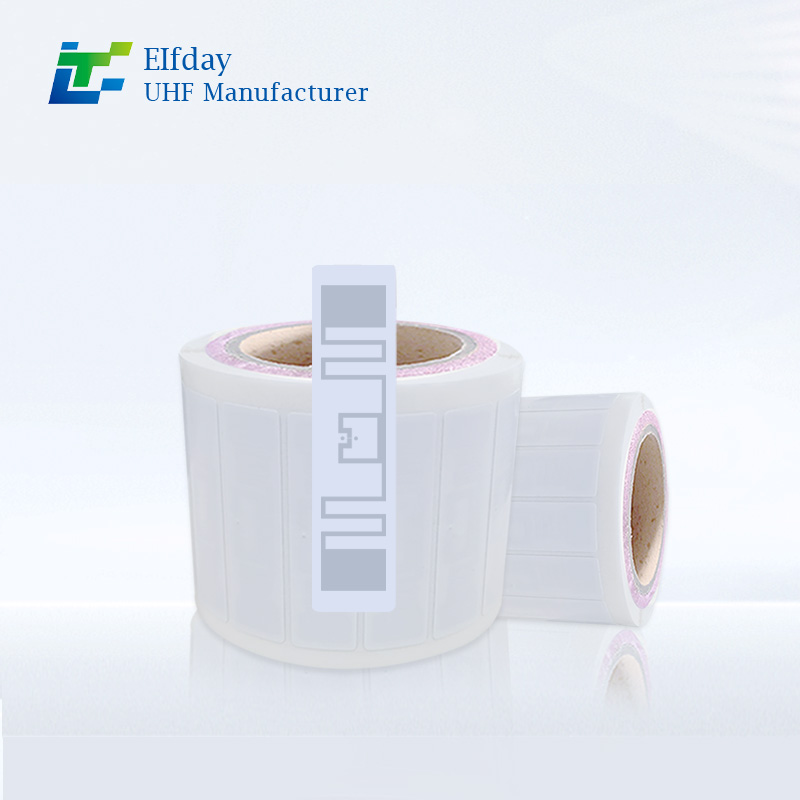
Pro Tip: For assets with metal surfaces, you must use an on-metal UHF RFID tag to prevent signal interference .
2. Read Range and Speed
The primary advantage of UHF is speed. A high-quality passive UHF RFID tag draws power from the reader’s signal and can be read from 3 to 8 meters away (and up to 15 meters with fixed readers) . Modern readers can process over 500 tags per second, meaning a forklift moving at 5m/s can pass through a portal gate and have its entire load verified instantly without stopping .
3. Memory and Data Retention
For logistics, you need reliability. Premium UHF RFID tags offer over 100,000 read/write cycles and more than 10 years of data retention . This ensures that returnable assets like pallets and totes can be tracked for their entire lifecycle.
Key Applications: From Warehouse Gates to Global Supply Chains
Implementing UHF RFID solutions solves specific, costly problems in logistics automation.
Automated Put-away and Receiving
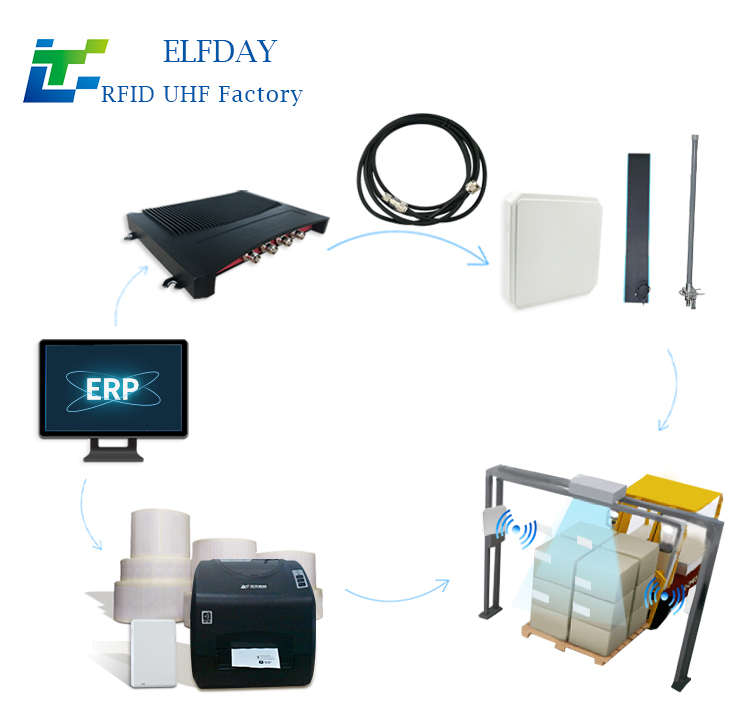
Imagine a forklift driving through a dock door portal. Fixed readers immediately scan every UHF RFID tag on the pallet. The Warehouse Management System (WMS) is updated instantly, confirming receipt or directing the driver to the correct bin location. This eliminates check-in delays and human data entry errors .
Inventory Accuracy at Scale
Cycle counting used to mean shutting down aisles and manually scanning barcodes. With UHF, a worker with a handheld reader can capture hundreds of items per second from across the warehouse. Studies show that with the correct placement of the UHF RFID tag and reader positioning, accuracy rates of over 99.7% are achievable . This high accuracy drastically reduces "out-of-stocks" and overstock situations .
Error-Proof Shipping
One of the biggest costs in logistics is "chargebacks" or penalties for shipping the wrong item. RFID portal gates at shipping doors can verify every single item leaving the building against the manifest. If a pallet destined for New York accidentally contains a box meant for Chicago, the system triggers an immediate alert, preventing a costly mistake .
How UHF RFID Delivers Unbeatable ROI
When evaluating technology, logistics managers need to see the bottom line. UHF RFID solutions typically pay for themselves within 12 to 24 months . Here is how:
Labor Reduction: By automating scans, warehouses can reduce the labor required for inventory checks by 75-90% . Workers are freed up to focus on value-added tasks rather than data entry.
Shrinkage Reduction: Inventory shrinkage (loss due to theft or misplacement) can be cut by 15-25% because you always know where your assets are .
Error Reduction: The cost of correcting a shipped error is incredibly high. Automated RFID gates reduce process costs by 22-37%, ensuring that the right item gets to the right customer the first time .
Future-Proofing Your Warehouse with Advanced Tag Technology
The technology behind the UHF RFID tag is evolving. New innovations like the Impinj Gen2X toolbox are pushing the boundaries further. These advancements allow for:
Better filtering: Readers can now "declutter" environments, ensuring they only read the tags they are supposed to, which is critical in high-density warehouse environments .
Sensing Capabilities: Newer tags can integrate sensors for temperature monitoring, which is vital for cold-chain logistics and pharmaceutical compliance .
Is Your Warehouse Ready for the Shift?
The logistics companies that thrive in the next decade will be those that embrace automation today. UHF RFID solutions provide the real-time data needed to make smarter decisions, reduce waste, and exceed customer expectations.
Whether you are tracking high-value assets or managing high-volume e-commerce fulfillment, selecting the correct UHF RFID tag is the cornerstone of a successful automation strategy.
Ready to eliminate errors and slash labor costs?
[Contact our team today] to discuss a customized UHF RFID solution for your warehouse. We’ll help you select the perfect UHF RFID tag for your specific environment and integration needs.