








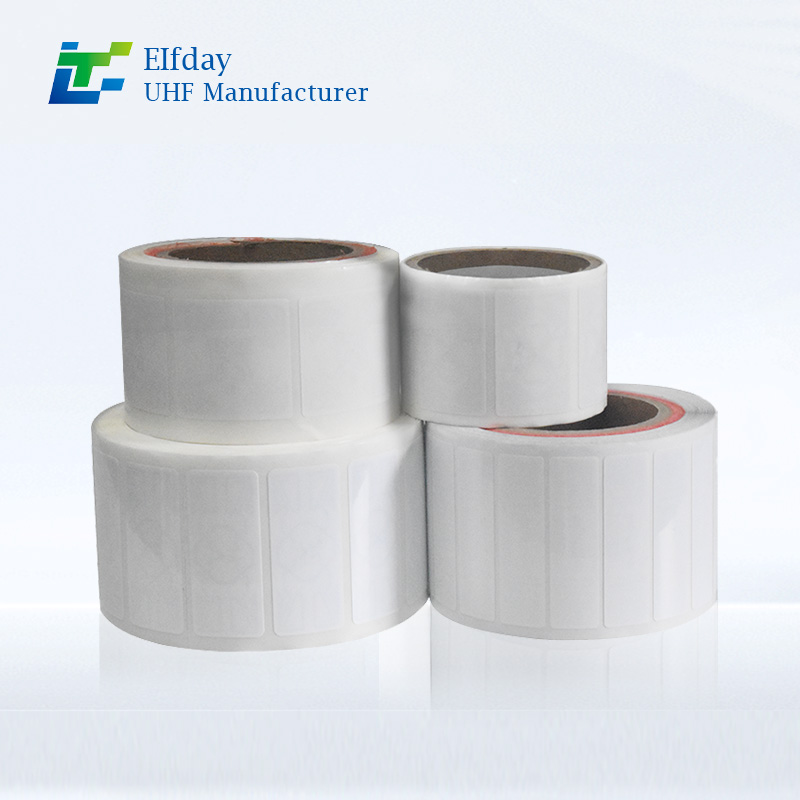
UHF RFID Solutions for the Pharmaceutical Industry
The pharmaceutical industry stands at a critical crossroads. With the increasing burden of regulatory compliance, the persistent threat of counterfeit drugs, and the logistical complexity of modern cold chains, relying on manual processes or outdated barcode systems is no longer viable. As we move through 2026, UHF RFID solutions have emerged as the gold standard for end-to-end traceability.
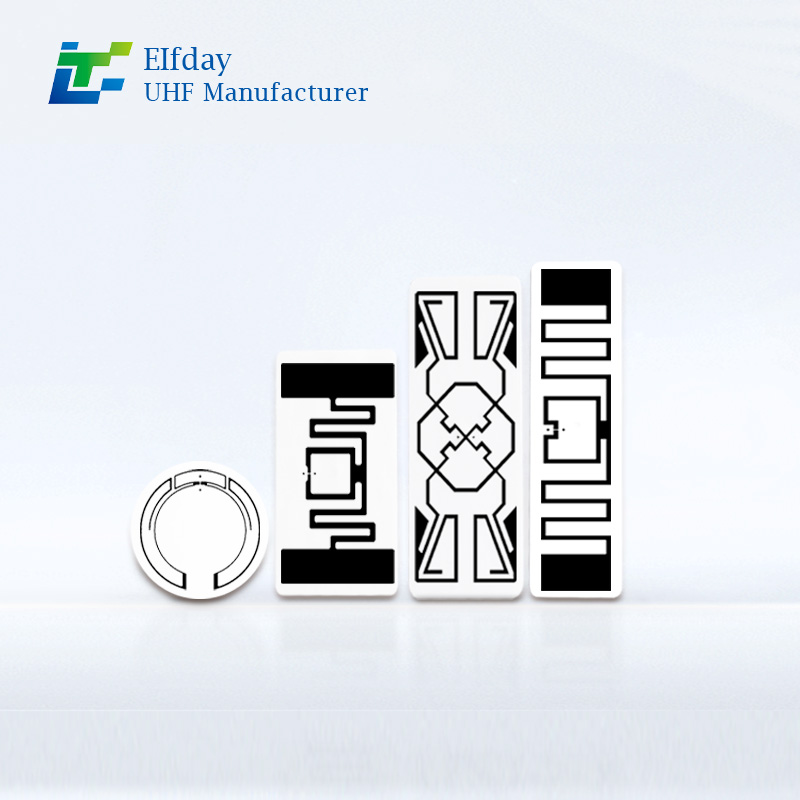
For companies searching for a reliable UHF RFID tag to secure their supply chain, understanding the technology's impact on both compliance and the bottom line is essential. The global Healthcare RFID market is projected to reach USD 42.40 billion by 2030, driven largely by the adoption of RAIN/UHF technology to meet stringent regulations like the U.S. Drug Supply Chain Security Act (DSCSA) .
Here is how the right UHF RFID strategy can transform your pharmaceutical operations.
Why UHF RFID? Moving Beyond Line-of-Sight
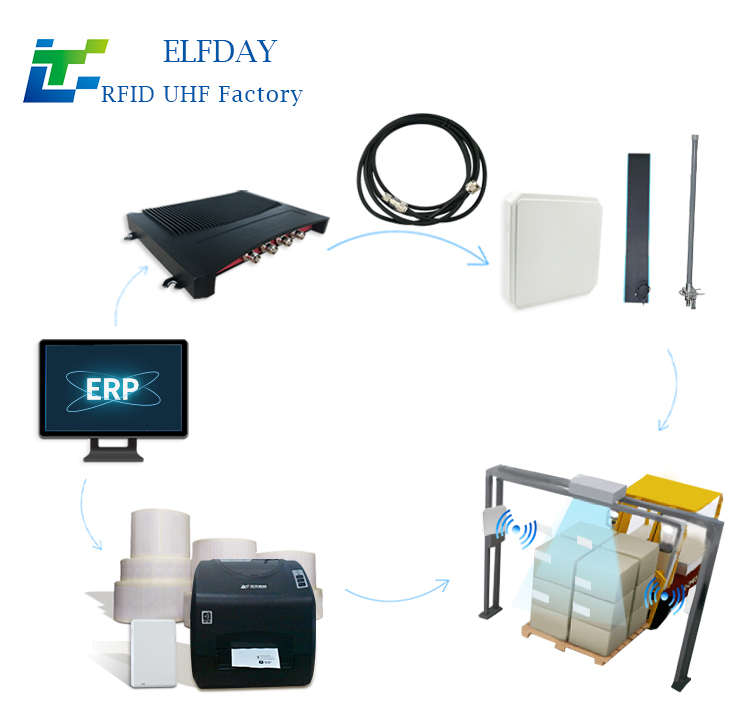
For decades, the industry relied on barcodes. However, barcodes require a direct line of sight and individual scanning, creating bottlenecks in high-volume environments. A passive UHF RFID tag, conversely, uses radio waves to transmit data. This allows for hundreds of tags to be read simultaneously through cartons and totes without manual handling .
This shift from line-of-sight to "batch scanning" is the foundation of the modern smart factory and the connected hospital. As noted in recent market analysis, the capacity of a single UHF RFID tag to house serialized identifiers, lot numbers, and expiration dates makes it "superior to 2D barcodes for managing high transaction volumes" .
Critical Innovations in UHF RFID Tag Design
Not all tags are created equal, especially in the complex world of pharmaceuticals. The performance of a UHF RFID tag can be significantly impacted by its environment—specifically, by liquids and dense packaging . Recent breakthroughs, however, are solving these challenges.
1. Overcoming the "Liquid Challenge"
Liquid-filled injectables have historically been one of the most technically challenging applications for RFID because water absorbs RF signals. Recent innovations, such as SAG’s new LiquidMate O label, feature patent-pending antenna architectures that deliver reliable direct-on-vial performance for liquid medications. This allows for 100% read accuracy in high-density, multi-vial configurations, ensuring that even sensitive biologics and vaccines can be tracked at the item level .
2. Miniaturization for Small Items
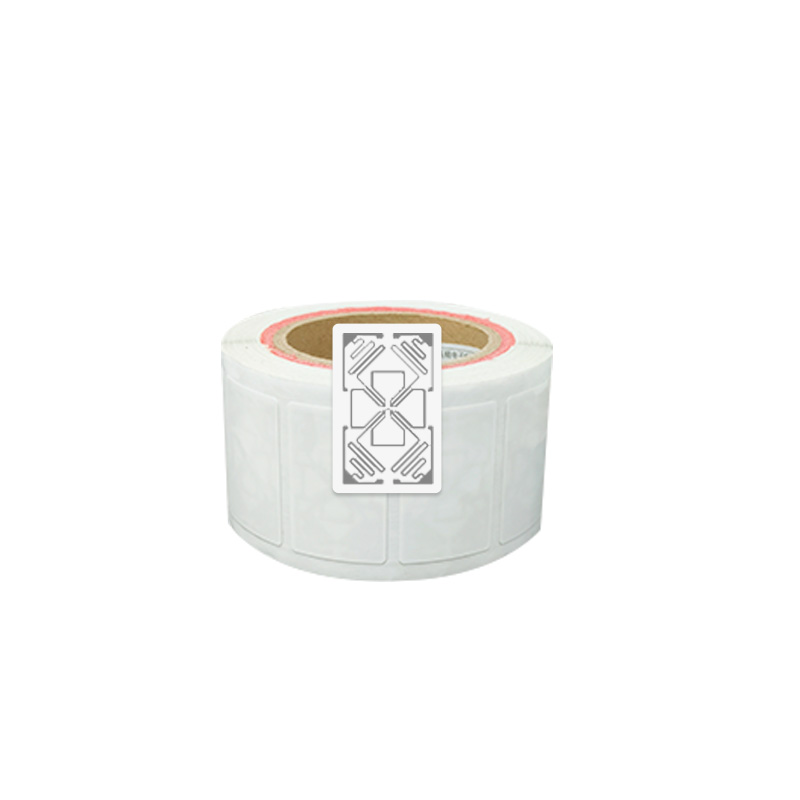
As pharmaceuticals become more targeted, packaging becomes smaller. For tiny vials, syringes, and pen injectors, the physical size of the tag matters. Products like the Avery Dennison AD Minidose U9XM are among the smallest UHF inlays available, specifically approved for healthcare by Auburn University’s RFID Lab. These tags prove that size does not compromise performance; they maintain long-range readability even when densely packed, while storing critical data like batch numbers directly on the chip .
Real-World Impact: Validation and Traceability
The shift to RFID is not theoretical. Rigorous academic and industry pilots have validated the technology's ROI. The Axia Institute at Michigan State University completed a multi-phase end-to-end traceability pilot involving major players like Fresenius Kabi and Cencora.
The results? 100% traceability for 6,920 tagged items .
Error Resolution: The system automatically detected and corrected exceptions (missing or extra products) in real-time, preventing errors from propagating through the supply chain.
Regulatory Alignment: The pilot validated a secure chain of custody that meets DSCSA requirements and even supports DEA reporting for controlled substances .
This level of visibility turns the supply chain from a cost center into a strategic asset. As one report highlights, "pharmaceutical executives increasingly regard RFID as a strategic asset rather than a regulatory expense" .
Enhancing Patient Safety and Curbing Counterfeits
Counterfeit drugs cost the industry an estimated EUR 10.2 billion (USD 11.0 billion) annually in Europe alone . A high-memory UHF RFID tag acts as a digital fingerprint for each drug unit. Because each tag has a unique, immutable ID, it becomes nearly impossible for counterfeiters to replicate the supply chain.
Furthermore, these tags enhance patient safety at the bedside. By integrating RFID reads with hospital Electronic Health Records (EHR), healthcare providers can verify the "Five Rights" (right patient, right drug, right dose, right route, right time) automatically, reducing medication administration errors .
Why You Need the Right UHF RFID Tag Now
The market is moving fast. With the cost of UHF inlays dropping below USD 0.04 for high-volume applications, the barriers to entry have never been lower . However, choosing the correct tag is paramount to success.
When evaluating a UHF RFID tag for your pharmaceutical needs, consider the following:
Material Compatibility: Ensure the tag is validated for your specific product formulation (e.g., liquids, solids, lyophilized powders) .
Form Factor: Does the tag fit on curved vials or small syringes without protruding (like a "flag" label) that could disrupt automated packaging lines? .
Memory Capacity: Look for chips with higher EPC memory (e.g., 496 bits) to store essential data like expiry and lot numbers directly on the tag, reducing dependency on network lookups .
Regulatory Compliance: Ensure the tag and encoding process comply with GS1 standards for data sharing across trading partners .
UHF RFID is no longer a "nice-to-have" but a critical infrastructure component for the pharmaceutical industry. Whether you are looking to comply with DSCSA, reduce the USD 35 billion annual loss due to temperature excursions, or simply protect your brand from counterfeiters, the right UHF RFID tag is your first line of defense .
Ready to secure your pharma supply chain?
Explore our range of industry-leading UHF RFID tags designed specifically for the unique challenges of pharmaceutical manufacturing and logistics. [Contact our team today] for a consultation and free sample pack.