








UHF RFID Tags are Key to a Smarter, More Efficient Supply Chain
In today's fast-paced business environment, optimizing supply chain operations has never been more important. As companies face increasing pressure to improve efficiency, reduce costs, and enhance visibility, UHF RFID tags are emerging as a game-changer. These advanced tags offer significant advantages over traditional tracking methods, helping businesses streamline their processes and stay competitive.
What Are UHF RFID Tags?
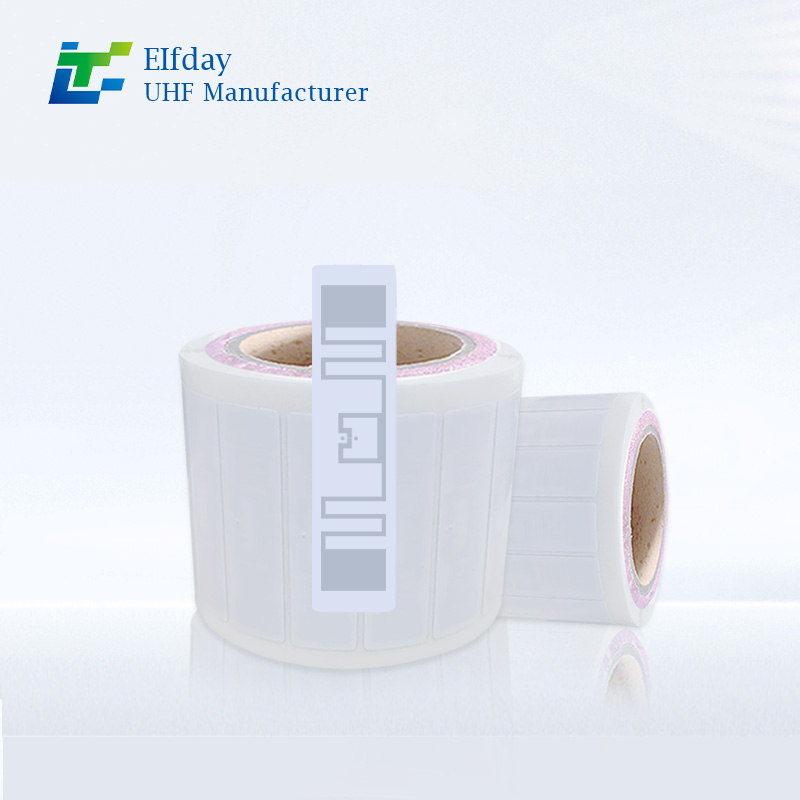
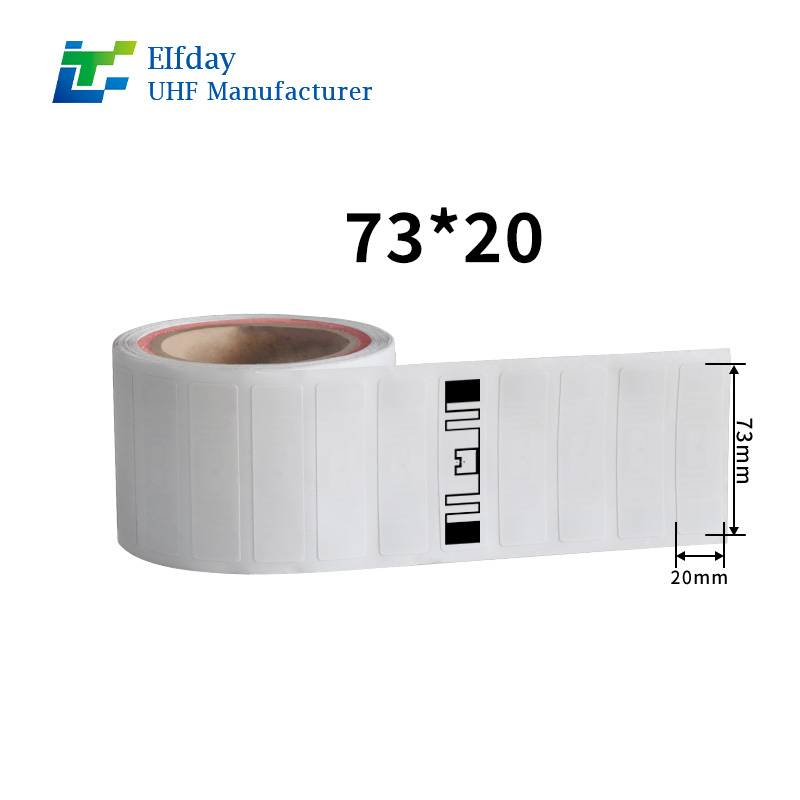
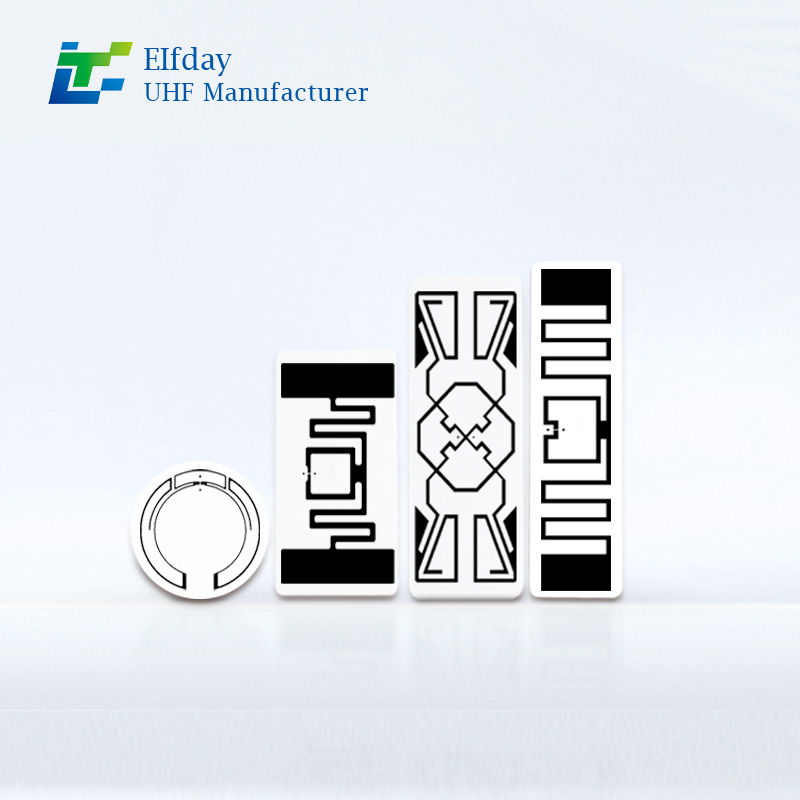
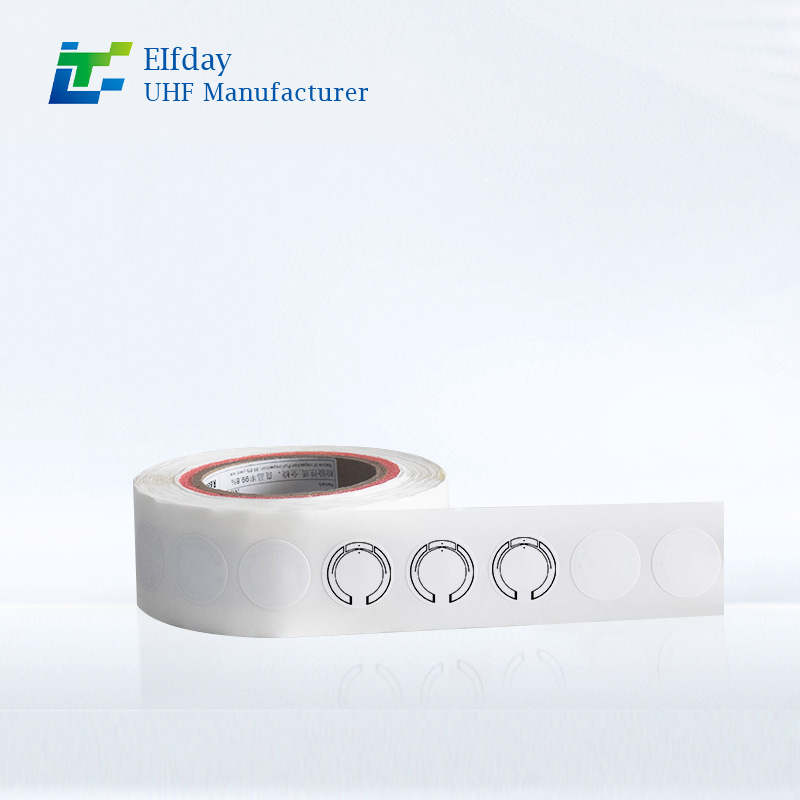
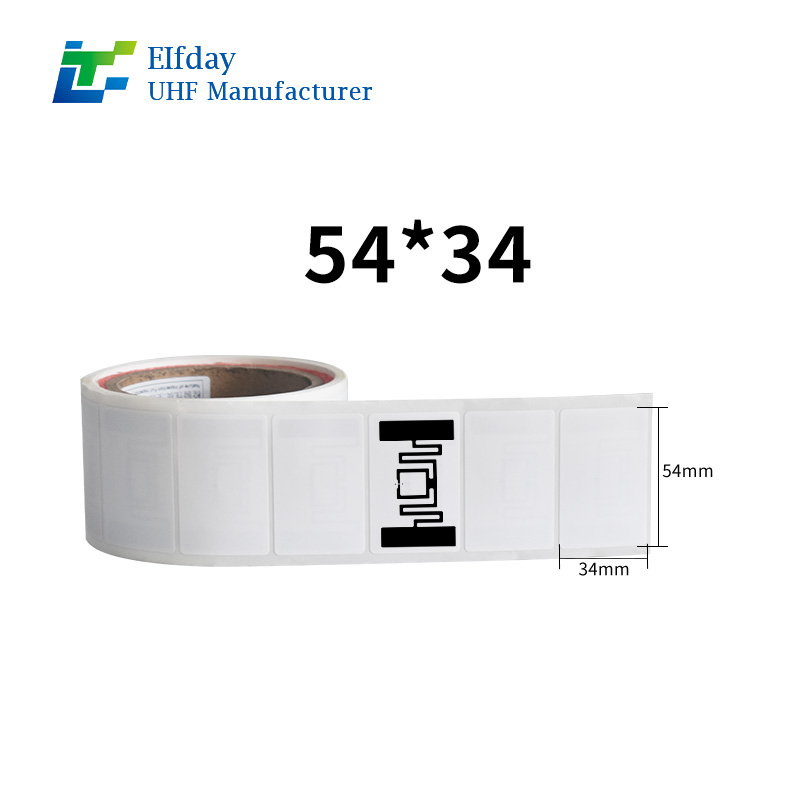
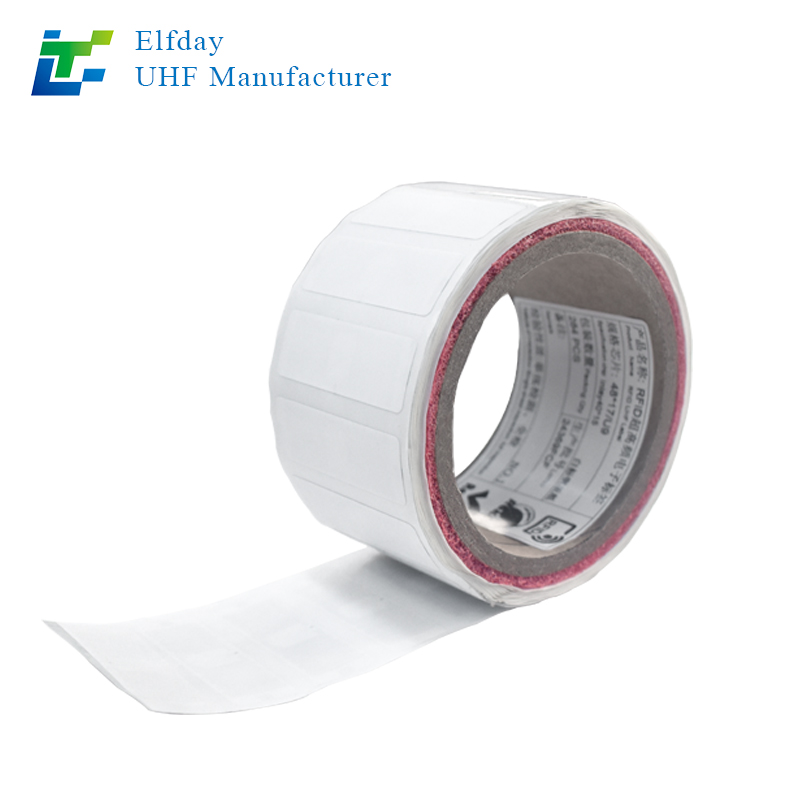
UHF RFID tags (Ultra High Frequency Radio Frequency Identification tags) are small, wireless devices that store data and communicate with RFID readers via radio waves. They are widely used in supply chain management to track goods as they move through various stages of production, warehousing, and distribution. Unlike barcode systems, UHF RFID tags can be read from a distance, allowing for quicker, more accurate inventory management.
The Benefits of UHF RFID Tags in Supply Chain Management
Real-Time Visibility
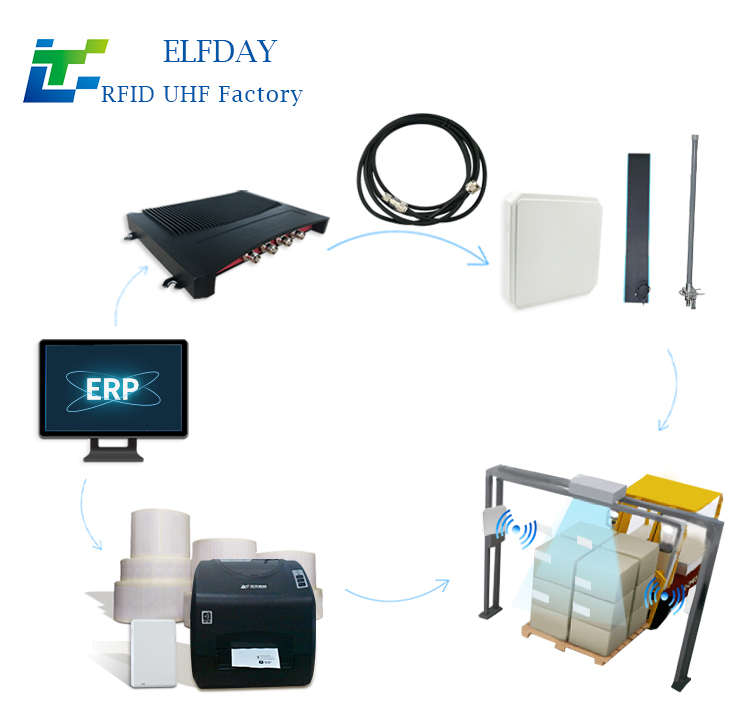
One of the biggest advantages of UHF RFID tags is their ability to provide real-time visibility into the supply chain. With RFID readers strategically placed throughout the system, businesses can track the movement of goods instantly. This eliminates the need for manual checks and reduces the risk of errors, helping companies ensure that inventory levels are always accurate.
Enhanced Efficiency
UHF RFID tags significantly speed up processes by allowing for automated tracking and data collection. Unlike barcodes, which require line-of-sight scanning, UHF RFID tags can be read at a distance and even in bulk. This reduces the time spent manually scanning products and accelerates the movement of goods through the supply chain.
Cost Reduction
By improving accuracy and efficiency, UHF RFID tags help businesses cut costs. They reduce the need for human labor in inventory management, minimize stock-outs and overstocking issues, and prevent loss or theft of goods. This leads to lower operational costs and a more optimized supply chain.
Improved Asset Management
With the ability to track assets across various locations and stages of production, UHF RFID tags make asset management more effective. This ensures that businesses always know where their assets are and can avoid unnecessary delays or disruptions due to misplaced items.
Data-Driven Insights
The data collected by UHF RFID tags provides valuable insights into supply chain performance. This data can be analyzed to identify inefficiencies, predict demand, and optimize the supply chain for maximum performance. Companies can use these insights to make informed decisions that improve both operational efficiency and customer satisfaction.
How UHF RFID Tags Drive Competitive Advantage
As businesses look for ways to stay ahead of the competition, UHF RFID tags offer a strategic advantage. By providing end-to-end visibility, streamlining processes, and enabling smarter decision-making, these tags help companies improve their supply chain operations, ultimately enhancing their bottom line. Moreover, businesses that implement UHF RFID tags are seen as more innovative, positioning them as leaders in their industries.
A Smart Investment for the Future
Incorporating UHF RFID tags into your supply chain isn’t just a trend—it’s a smart, long-term investment that pays off in efficiency, cost savings, and operational agility. As more industries adopt this technology, the potential for UHF RFID tags to revolutionize supply chain management is undeniable. Businesses that embrace this innovation will not only gain a competitive edge but will also pave the way for smarter, more efficient operations in the years to come.
Are you ready to upgrade your supply chain? Consider integrating UHF RFID tags into your operations today and start reaping the benefits of a more streamlined, efficient system!