








UHF RFID Tags for Asset Tracking in Data Centers
In the modern digital economy, data centers are the engine rooms of global business. Within these facilities, thousands of high-value IT assets—servers, routers, switches, and storage devices—work 24/7 to keep enterprises operational. Yet, paradoxically, the way these assets are often tracked remains surprisingly analog.
If you are still relying on spreadsheets or barcode scanning to manage your data center infrastructure, you are not just wasting labor hours; you are risking compliance failures, theft, and costly downtime. According to industry studies, passive RFID solutions can save an estimated $10 per asset per year, often paying back the investment in less than a year in large facilities .
This guide explores how UHF RFID tag technology is revolutionizing data center asset management, providing the real-time visibility that IT managers need to optimize operations, enhance security, and improve their bottom line.
Why Data Centers Need a New Approach to Asset Tracking
Data centers face a unique set of challenges. The environment is dense with metal, which historically interferes with radio frequencies. Assets are constantly moved for maintenance, upgrades, or decommissioning. Without an automated system, "account mismatches" become the norm .
Traditional methods fail because:
Barcode scanning requires line-of-sight and manual labor, making audits slow and prone to error .
Spreadsheets become outdated the moment a technician moves a server.
Manual checks are time-consuming; a full audit of a large data center can take weeks .
This is where Ultra-High Frequency (UHF) RFID technology changes the game.
What Makes a UHF RFID Tag the Ideal Choice for IT Assets?
Not all RFID tags are created equal. For data center applications, the specific physics of UHF RFID offer distinct advantages over other frequencies .
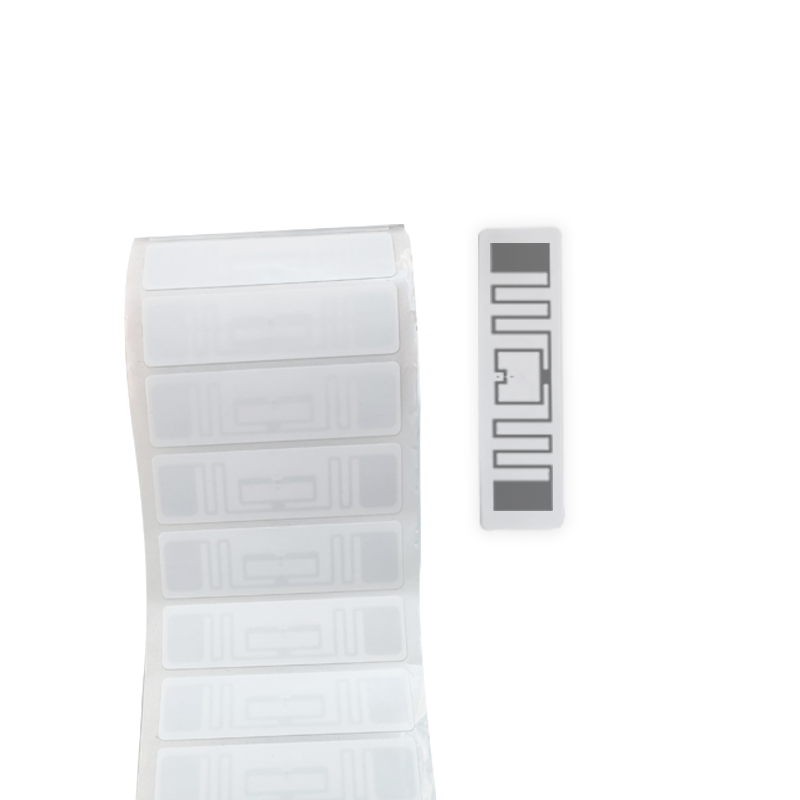
Long Read Range: Unlike NFC or HF RFID, which require close proximity, a passive UHF RFID tag can be read from several meters away. In server rack environments, cable antennas can create a reading zone of up to 1.5 to 3 meters around the rack door .
Batch Reading: UHF readers can capture hundreds of tags simultaneously. This means a technician—or a fixed portal—can identify every asset in a rack instantly without opening the door .
Performance on Metal: Data center assets are primarily metal. Modern on-metal UHF RFID tags are engineered with specific insulation layers to prevent the metal surface from detuning the antenna, ensuring reliable reads every time .
Key Takeaway: When selecting a UHF RFID tag for your data center, ensure it is specifically designed for "on-metal" use. Standard tags will fail when attached directly to a server chassis .
How UHF RFID Tracking Works in a Data Center Environment
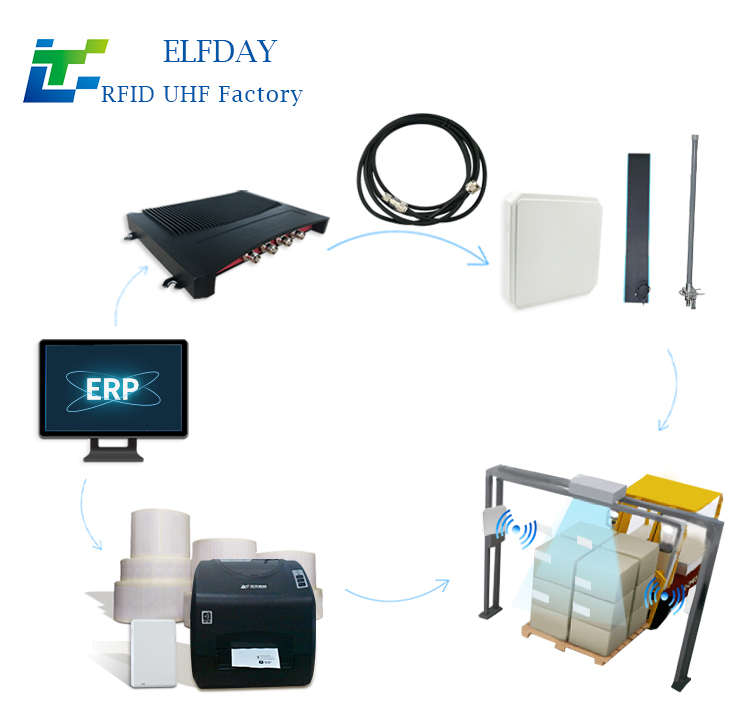
Implementing a UHF RFID solution involves more than just sticking tags on equipment. It requires a strategic deployment of hardware and software to create a "digital twin" of your facility.
1. Tagging the Assets
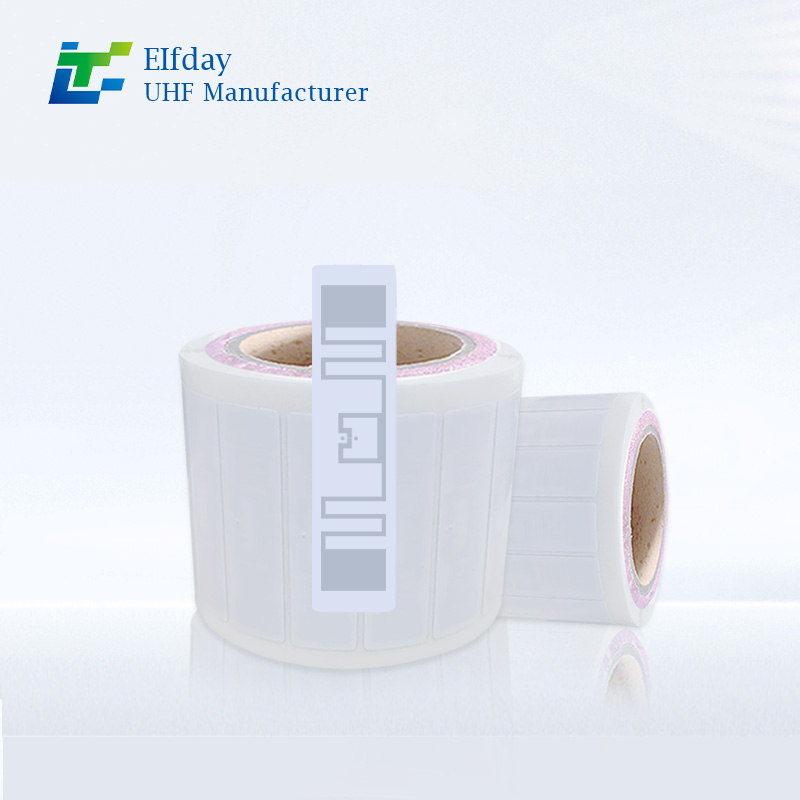
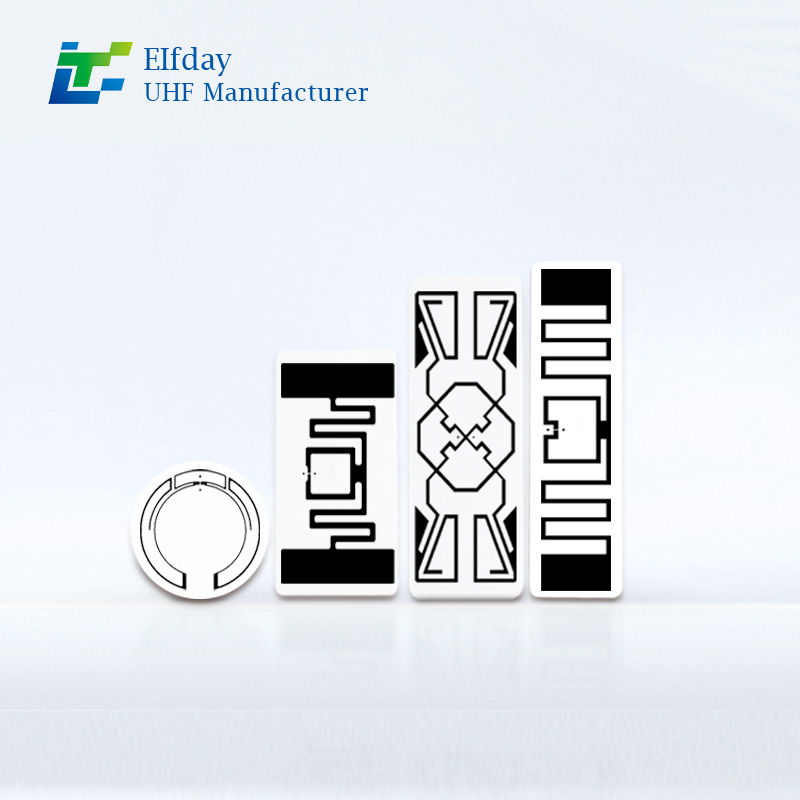
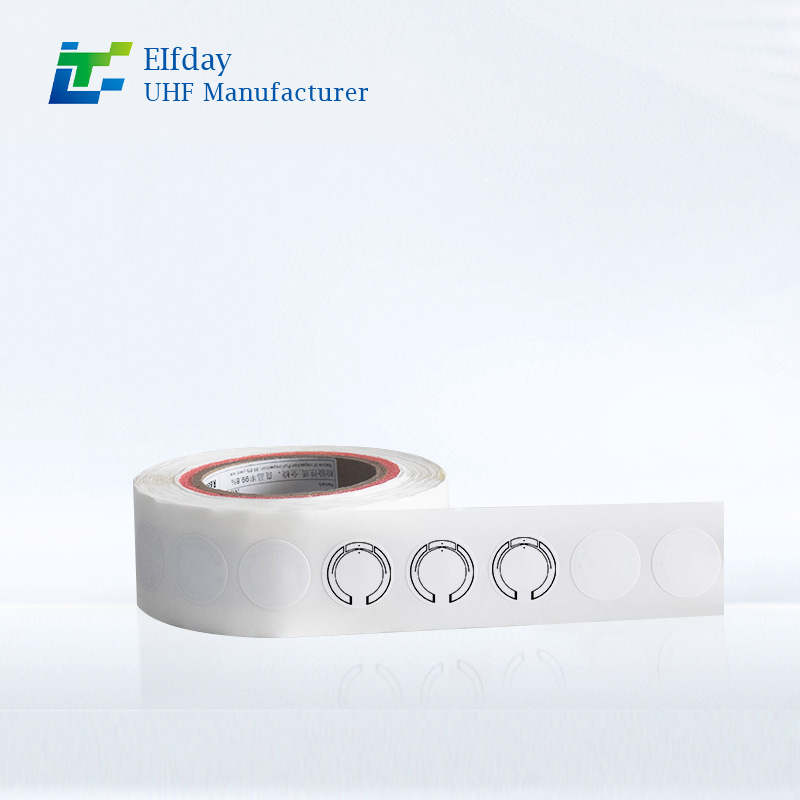
Every piece of high-value IT equipment is affixed with a durable, passive UHF RFID tag. These tags contain a unique identifier (EPC) that can be linked in the software to specific asset details—model, specifications, purchase date, warranty, and maintenance history .
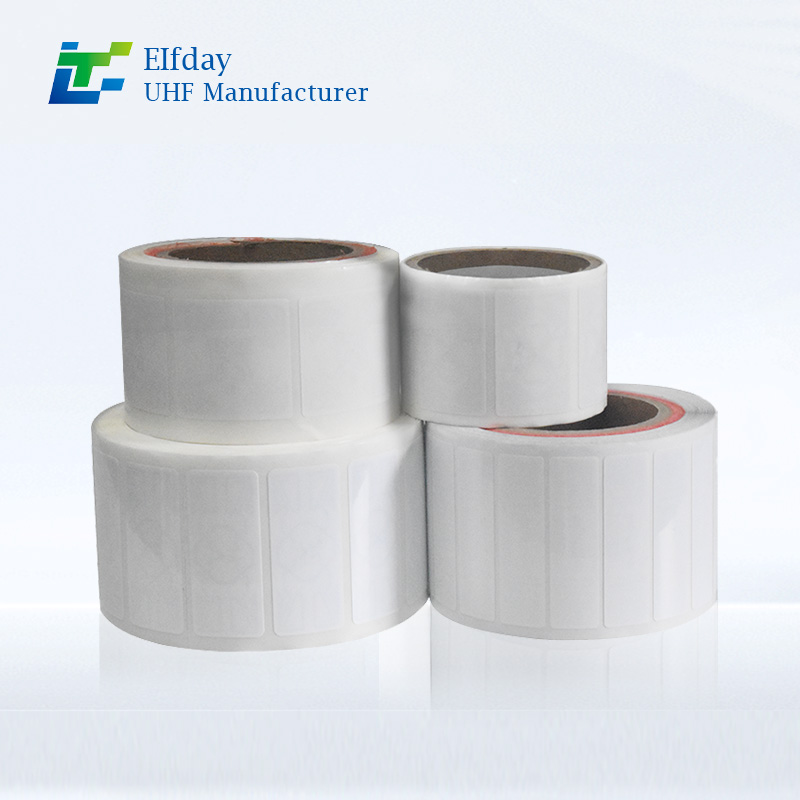
For Servers: Flat, rugged polyester labels with pressure-sensitive adhesive ensure the tag stays attached and legible for the lifespan of the device .
For Cables: Some solutions even utilize dual-technology tags (UHF + NFC) to help technicians quickly verify connections and history using a smartphone .
2. Deploying the Reading Infrastructure
There are two primary methods for capturing data from UHF RFID tag:
Rack-Level Reading: A low-cost reader module with cable antennas is installed inside or on the side of each server rack. These antennas create a consistent RF field that reads the tags on all assets within that specific rack . This provides granular, real-time knowledge of exactly what is in each slot.
Portal Reading: Fixed readers and antennas are installed at data center entry and exit points (doorways). Any tagged asset passing through these portals is automatically detected, creating a digital record of movement and triggering alarms if unauthorized removal is attempted .
3. Software Integration
The data from the readers flows into asset management software (often integrated with DCIM or ERP systems). This software translates raw tag reads into actionable intelligence: real-time location, automated inventory lists, and alerts for unauthorized moves .
Proven Benefits: Efficiency, Accuracy, and ROI
The shift from manual to automated tracking yields quantifiable results.
From Weeks to Hours: The Inventory Audit
Consider the experience of a global ICT company. Before RFID, a complete inventory audit of their data centers took weeks of manual labor. After deploying custom UHF RFID tags and fixed scanners, they could assess their entire IT inventory in just a couple of hours. This represents a massive reduction in labor costs and disruption .
Theft Prevention and Security
Data center equipment is high-value and portable, making it a target for theft. With portal-based RFID, if a server is moved out of the facility without authorization, the system immediately triggers an alert and creates a timestamped record of the removal. This passive surveillance is a powerful deterrent .
Enhanced Maintenance and Compliance
When a technician performs maintenance, the act of moving the server is logged. The system can automatically update the asset's record with the date, time, and even identify which technician handled the equipment . This creates an impeccable audit trail for regulatory compliance (SOX, HIPAA, etc.) and helps demonstrate adherence to service-level agreements .
Optimized Utilization
How many "zombie servers" (powered-on but unused) are in your facility? By tracking asset movement and connection status, RFID helps identify underutilized hardware. This allows data center managers to consolidate workloads, reduce power consumption, and delay capital expenditures on new equipment .
Choosing the Right UHF RFID Tag for Your Environment
To maximize your return on investment, you must select the correct hardware. Here are the critical factors to consider when purchasing a UHF RFID tag for data center use:
1. The "On-Metal" Requirement
As mentioned, this is non-negotiable. The tag must feature an insulating layer to isolate the antenna from the metal surface of the server. Without it, the tag will be virtually unreadable .
2. Read Range and Sensitivity
Different use cases require different ranges.
Rack-level monitoring: A read range of 1 to 3 meters is usually sufficient .
Portal exit detection: You may need tags and antennas that support longer ranges (up to 10-15 meters) depending on the width of the doorway .
Look for tags that offer high gain and sensitivity to ensure they respond consistently even when placed in difficult locations within the rack .
3. Durability and Form Factor
Data centers have controlled climates, but tags still need to withstand handling and long-term adhesion.
Material: Polyester or similar durable materials ensure the tag remains legible and attached .
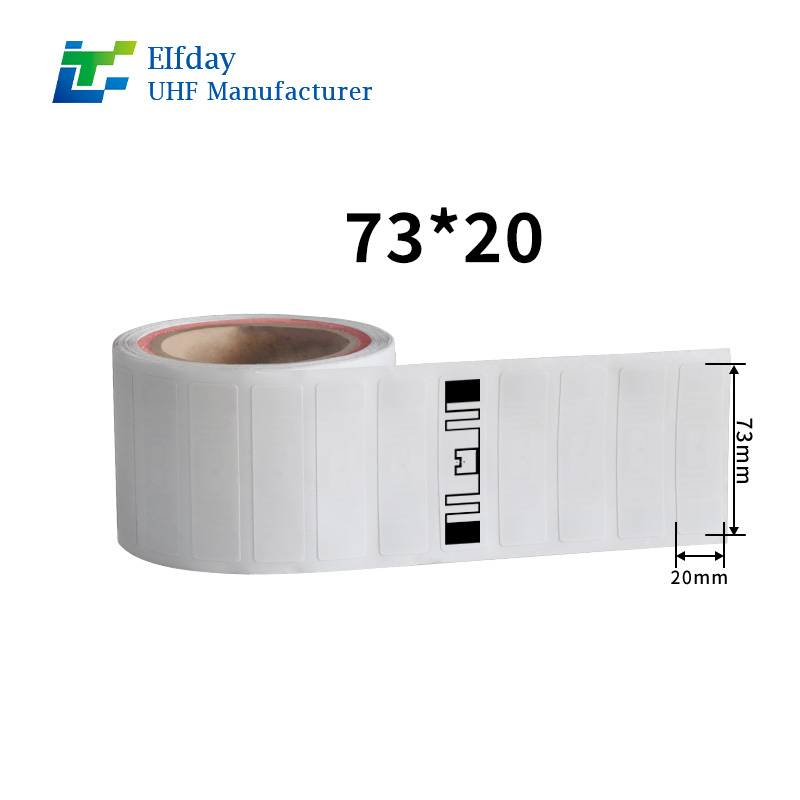
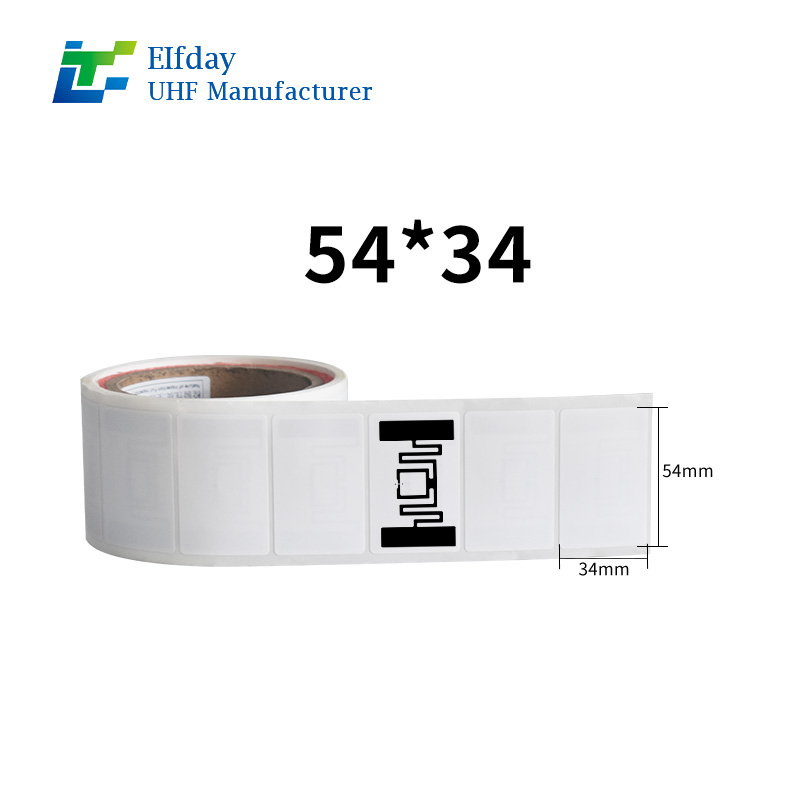
Size: The tag should have a small form factor to fit on server blades, hard drive caddies, or network switches where space is limited .
4. Compliance and Standards
Ensure the UHF RFID tag complies with the EPC Gen2 standard (ISO 18000-63). This guarantees interoperability with most standard UHF readers. Also, verify that the tags are certified for use in your region (e.g., FCC for the US, ETSI for Europe) to avoid legal or interference issues .
Conclusion: The Future of Data Center Management is Passive and Automated
As data centers become more dense and distributed, the need for automated asset intelligence will only grow. UHF RFID tag technology provides the foundational layer for this intelligence. It transforms static equipment into dynamic, trackable data points that feed into your management systems.
By moving away from manual audits and adopting a passive, real-time tracking system, you can:
Slash operational costs by eliminating manual inventory labor.
Boost security with automated theft detection.
Improve compliance through perfect audit trails.
Optimize asset utilization for better ROI.
The technology is mature, the costs are lower than ever, and the ROI is proven . It is time to give your IT assets a voice.
Ready to gain real-time visibility of your data center?
Don't let your assets remain invisible. Contact our team today to discuss the perfect UHF RFID tag solution for your infrastructure. We offer a range of durable, on-metal tags and can help you design a system that scales with your business.
[Get a Free Consultation & UHF RFID Tag Sample]
Discover how much you could save with an automated asset tracking system. Request your personalized ROI analysis now.