








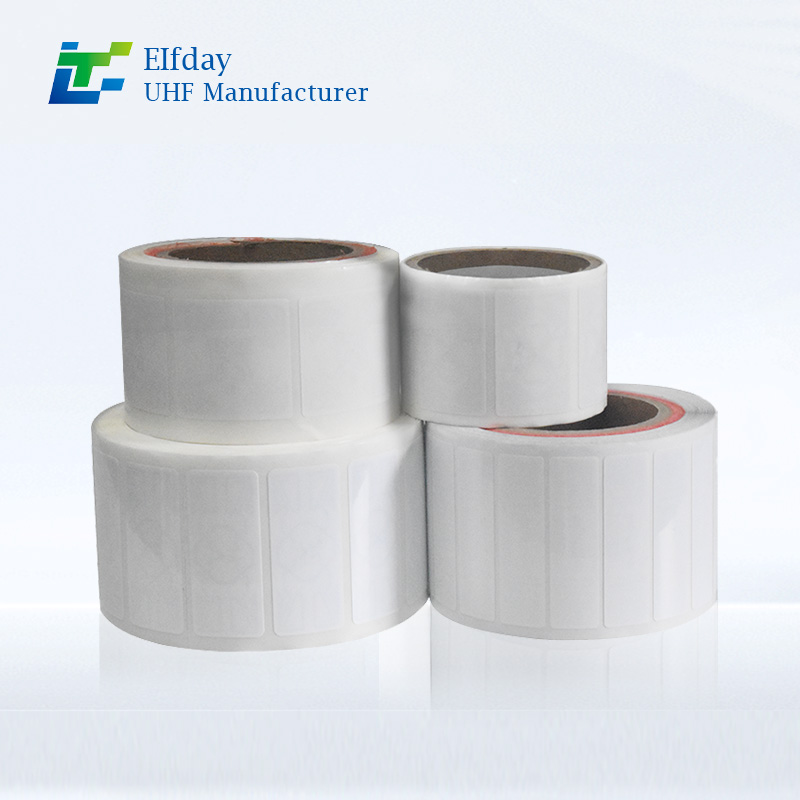
Water‑Resistant RFID Tags for Perishable Goods Tracking in High Humidity
You open a container of fresh berries. The cardboard is soggy. The labels are peeling off. And somewhere inside that mess, your barcode scanner refuses to read a single code.
Worse, you have no idea how long the pallet sat in a humid holding bay.
If you manage perishable goods in tropical climates, cold storage with condensation, or any environment where moisture is a daily battle, you already know the pain. Standard tracking tools fail when things get wet. And that failure costs you money, reputation, and product.
That is exactly why more logistics managers are switching to RFID tags for perishable goods tracking — specifically, water‑resistant versions built for high humidity.
Why Humidity Kills Ordinary Tracking Methods
Let’s be honest. Barcodes and basic paper labels were never designed for a walk‑in cooler or a rain‑soaked loading dock. Moisture makes them curl, smudge, or fall off. Once that happens, you lose visibility. You start guessing which crate arrived first, which batch is about to expire, and which shipment was left out too long.
Without reliable data, you either throw away borderline product or risk sending spoiled goods to a customer. Neither option is good.
Even standard UHF RFID tags can struggle in constant high humidity if they are not properly sealed. Water absorbs radio frequency energy. Condensation on the tag surface can detune the antenna. The result? Missed reads, incomplete inventory, and a false sense of security.
That is where purpose‑built water‑resistant RFID tags for perishable goods tracking change the game.
What Makes a Water‑Resistant RFID Tag Different
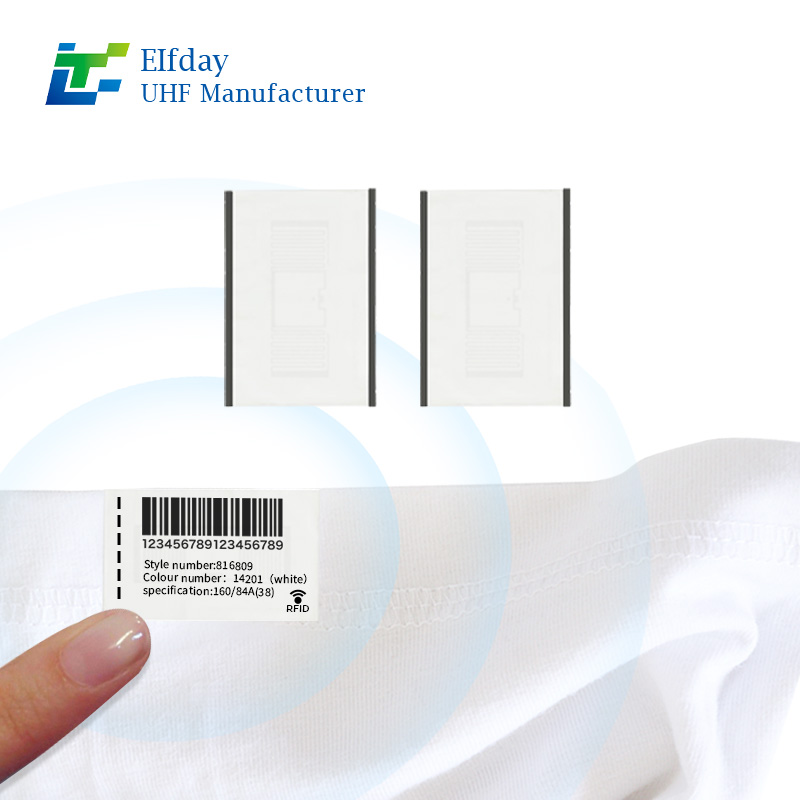
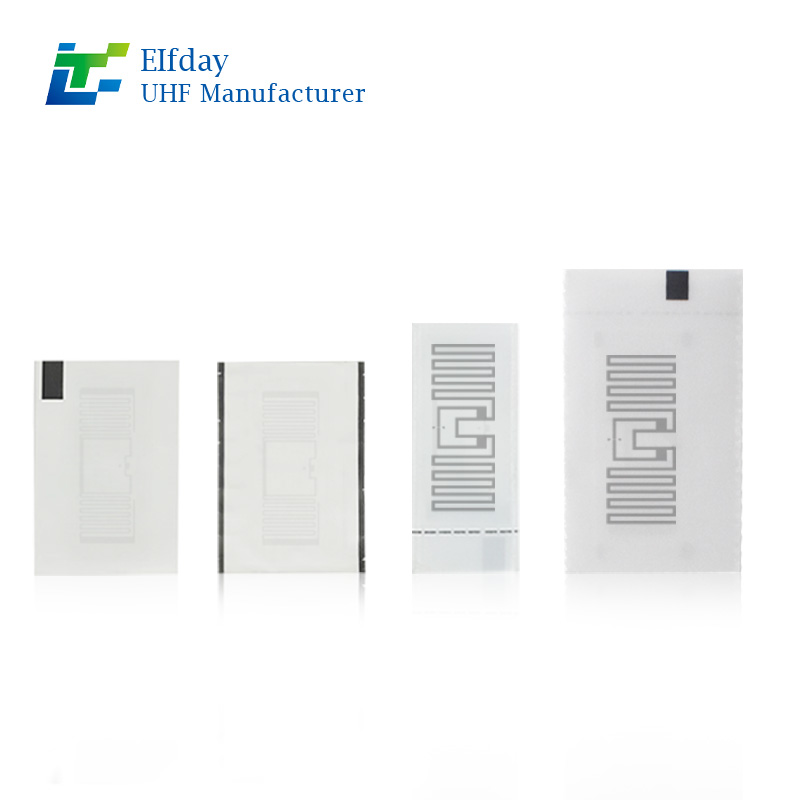
A good water‑resistant RFID tag is not just a regular tag with a shiny coating. It uses encapsulation or lamination that seals the chip and antenna from moisture. Some are rated IP67 or IP68 — meaning they can survive splashing, heavy condensation, or even temporary immersion.
For high‑humidity environments like seafood processing plants, dairy coolers, or flower export warehouses, this protection is not a luxury. It is a necessity.
These tags keep transmitting even when the surface is wet. They stay attached to waxed cardboard, plastic crates, or shrink‑wrapped pallets. And they deliver consistent read ranges, so you can scan entire pallets through foggy air without opening every box.
When you deploy durable RFID tags for perishable goods tracking, you stop fighting your environment and start working with it.
Real‑World Benefits You Can Feel
Let me paint a picture.
You receive a shipment of fresh poultry. The cold chain was uninterrupted, but the trailer went through a humid coastal route. Condensation is dripping off every package. With old labels, you would be manually writing down batch numbers and hoping for the best.
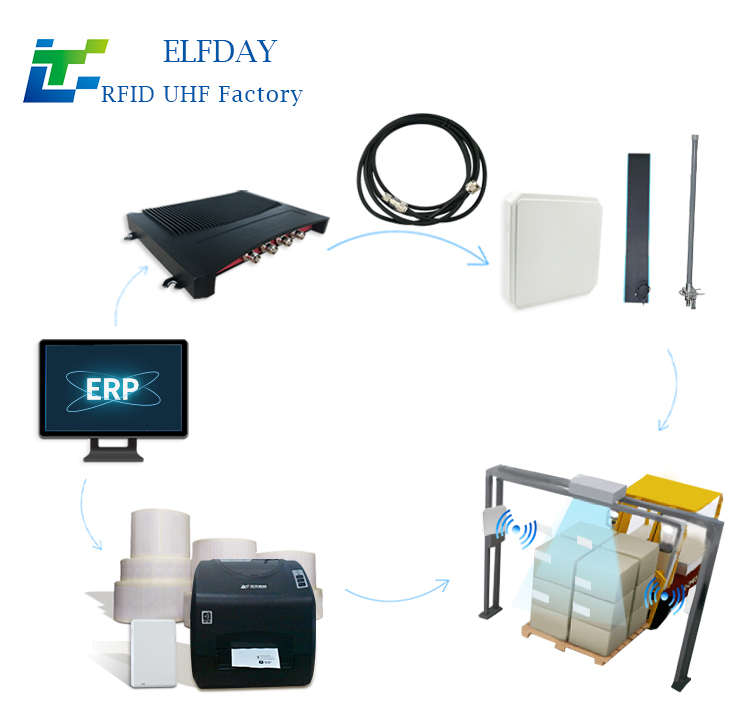
With water‑resistant RFID tags, you simply walk a handheld reader along the pallet row. Every tag responds. You see exact time‑stamped temperature data (if using sensor‑enabled tags), location history, and remaining shelf life. No misreads. No second guesses.
Here is what that means for your daily operations:
Less spoilage — You rotate stock based on real conditions, not guesswork. The first‑in, first‑out rule becomes automatic.
Fewer chargebacks — When a retailer asks for proof of cold chain integrity, you show them the RFID log. No more he‑said‑she‑said arguments.
Lower labor cost — No more wiping down labels or scanning each box twice. One worker with a gateway reader can check an entire truck in under a minute.
Better compliance — FSMA, HACCP, and global food safety standards require traceability. Water‑resistant RFID tags make audits painless.
And because these tags survive multiple trips in reusable crates, you save on replacement costs too.
Where High‑Humidity RFID Tags Excel
Think about the toughest spots in your supply chain.
Seafood docks — Salt spray, ice melt, and constant washing. Ordinary tags last a few hours. Water‑resistant RFID tags for perishable goods tracking keep working for weeks.
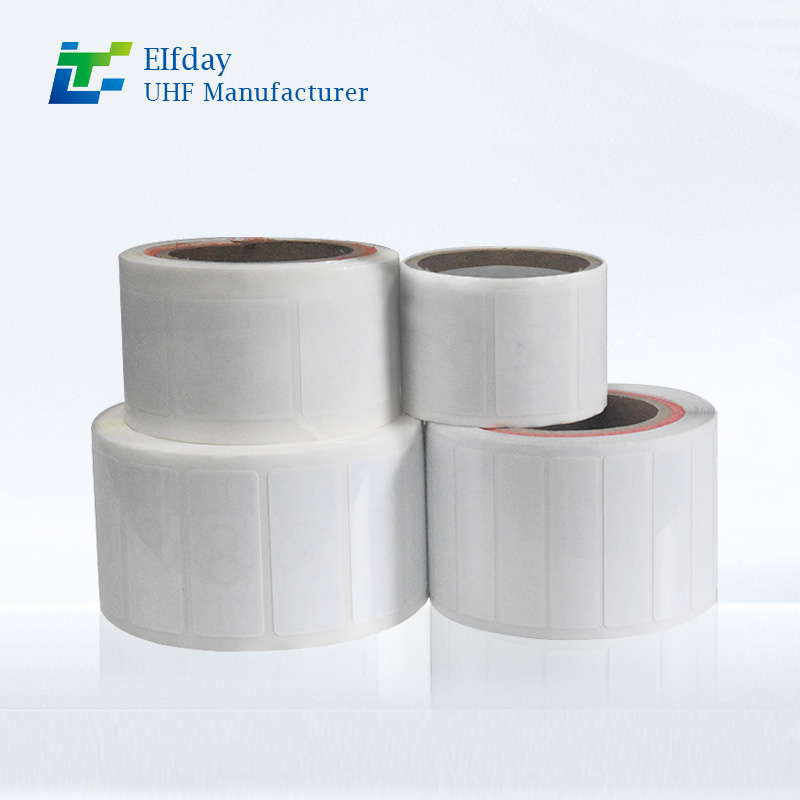
Dairy coolers — High humidity from open evaporators. Tags on milk crates stay readable even when dripping wet.
Fresh produce packing sheds — Misting systems keep leafy greens crisp, but they destroy paper labels. RFID handles it.
Pharmaceutical cold rooms — Condensation on vaccine shippers cannot be avoided. Reliable tracking is critical.
Flower logistics — Roses from Ecuador to Miami go through dramatic humidity swings. Water‑resistant tags survive the journey.
In every case, the core problem is the same: moisture kills visibility. The solution is the same too — robust RFID tags for perishable goods tracking designed for wet realities.
What to Look for When You Buy
Not every water‑resistant tag is equal. Before you order, ask these three questions.
1. What is the IP rating?
IP67 means dust‑tight and protected against temporary immersion. IP68 goes further — continuous immersion beyond one meter. For most food logistics, IP67 is plenty. But if you regularly wash crates with high‑pressure hoses, go for IP68.
2. Does it work on metal or liquid?
Some high‑humidity environments also involve metal shelves or liquid containers (milk jugs, juice cartons). Look for on‑metal or on‑liquid RFID tags if that is your case. General‑purpose tags might detune near metal surfaces.
3. What adhesive or attachment method is used?
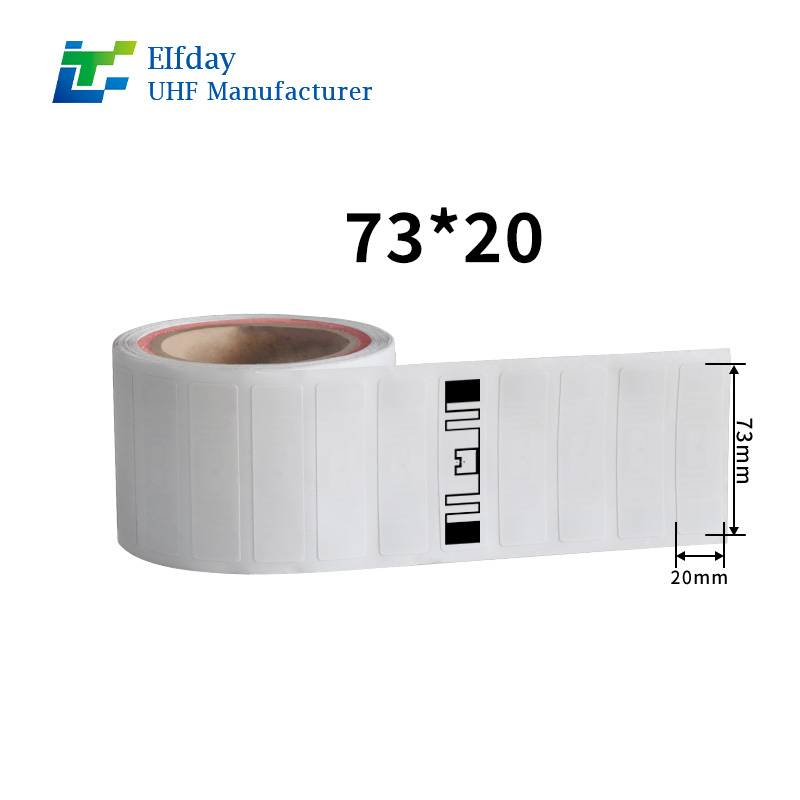
For cardboard boxes, a strong permanent adhesive with a moisture‑resistant liner is key. For reusable plastic totes, consider rivet‑mount or cable‑tie options. Ask for sample tags and test them in your actual cooler or wet area for 24 hours.
Most good suppliers will send you a few samples for free. Take advantage of that.
A Quick Story From the Field
A mid‑size seafood distributor on the Gulf Coast was losing about 12% of their shrimp and fish to “temperature unknown” write‑offs. Their warehouse ran at nearly 95% humidity. Barcode labels would fall off within two hours. Workers had to manually re‑label incoming pallets, which introduced errors and delays.
They switched to water‑resistant RFID tags for perishable goods tracking — the kind with an IP68 rating and a pressure‑sensitive adhesive that bonds to waxed boxes.
Within three weeks, their read rate went from 73% to 99.6%. They stopped re‑labeling. They identified a recurring problem with a carrier who left rear doors open during humid nights. And their spoilage rate dropped to under 5% in the first quarter.
No new trucks. No expensive software overhaul. Just better tags for the environment they already worked in.
That is the power of choosing the right hardware for your real‑world conditions.
Overcoming the “But It Costs More” Objection
Yes, water‑resistant RFID tags cost a few cents more than basic indoor tags. But let us do some rough thinking.
One spoiled pallet of meat can cost hundreds or thousands. A single chargeback dispute might eat up your profit for the whole shipment. Manual labor to relabel or manually track inventory adds up fast.
When you compare the total cost of spoilage + labor + compliance risk, the slightly higher tag price becomes irrelevant. You are not spending more — you are investing in a tool that pays for itself in the first or second shipment.
Plus, because water‑resistant tags last longer, you may even use fewer tags over time. Reusable crates with durable tags can be read hundreds of times.
So do not look at the unit price. Look at the total cost of visibility. Cheaper tags that fail in high humidity are the expensive choice.
How to Get Started Today
If you are tired of lost data, soggy labels, and inventory guesswork, here is a simple three‑step plan.
Step 1 – Identify your worst humidity zones. Walk your cold storage, loading docks, and transport routes. Mark where moisture is constant.
Step 2 – Request samples of water‑resistant RFID tags from two or three reputable suppliers. Test them for 48 hours in those zones. Scan them with your existing readers (most UHF readers work fine).
Step 3 – Run a small pilot on one product line or one delivery route. Measure read rates, time saved, and spoilage reduction. Compare with your previous month’s data.
You will likely see a positive result within two weeks. Then roll it out across your entire perishable goods operation.
High humidity is not going away. Neither is the need to track fresh food from farm to fork. But you can stop fighting moisture and start working smarter.
Water‑resistant RFID tags for perishable goods tracking give you reliable, real‑time visibility in the toughest conditions. They reduce waste, simplify audits, and help you deliver fresher product to your customers.
Do not let another shipment disappear into a fog of missing data. Get the right tags for your environment. Test them. And watch your spoilage numbers fall.
Your cold chain will thank you. And so will your bottom line.
Need a recommendation for a specific tag model? Share your typical crate material, humidity range, and read distance — and we will point you to the best option for your workflow.