Loading...
Menu
Trending Products
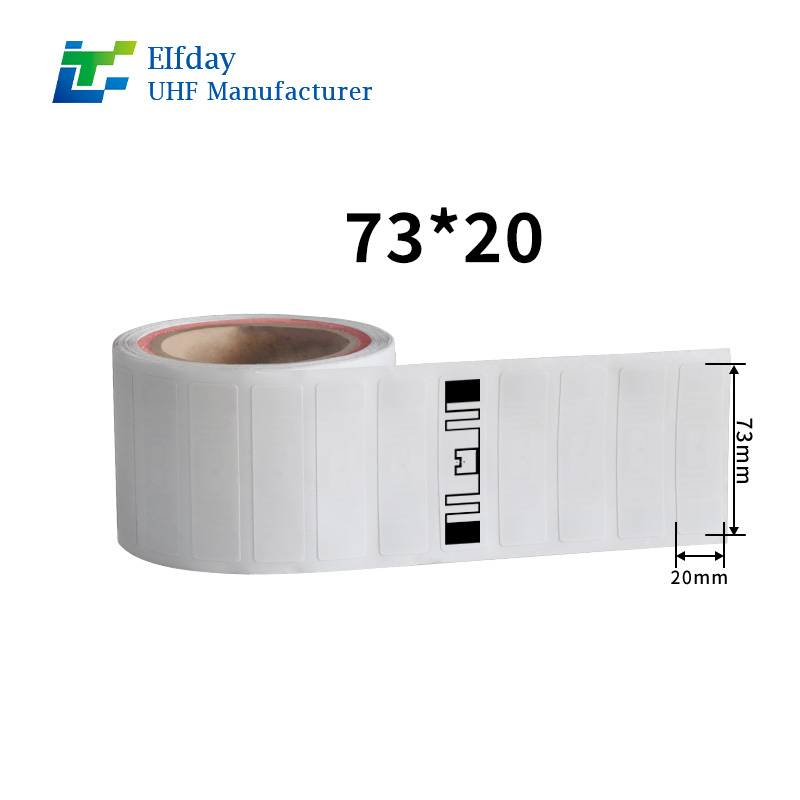
73*20mm KU7chip ISO18000-6c UHF RFID Sticker 915MHz Passive Remote-Reading Tag (Cost-Effective) 73*20mm KU7chip ISO18000-6c UHF RFID Sticker 915MHz Passive Remote-Reading Tag (Cost-Effective)
73*20mm KU7chip ISO18000-6c UHF RFID Sticker 915MHz Passive Remote-Reading Tag (Cost-Effective)
$0.017 $0.022
Security Tag 6c Protocol UHF RFID Tags KU7 43*18mm for Unmanned Warehouse Management Security Tag 6c Protocol UHF RFID Tags KU7 43*18mm for Unmanned Warehouse Management
Security Tag 6c Protocol UHF RFID Tags KU7 43*18mm for Unmanned Warehouse Management
$0.017 $0.019
27*15mm KU7chip Impriment RFID Passive UHF RFID Inlays Label Sticker for RFID Scanner ISO 18000-6c 27*15mm KU7chip Impriment RFID Passive UHF RFID Inlays Label Sticker for RFID Scanner ISO 18000-6c
27*15mm KU7chip Impriment RFID Passive UHF RFID Inlays Label Sticker for RFID Scanner ISO 18000-6c
$0.017 $0.022
Round30 Mini RFID Label Petcollar Safetag Scangentle Softmaterial Waterprooflife Nofadetag Comfortfit Lostfind Vetuse Trackeasy Round30 Mini RFID Label Petcollar Safetag Scangentle Softmaterial Waterprooflife Nofadetag Comfortfit Lostfind Vetuse Trackeasy
Round30 Mini RFID Label Petcollar Safetag Scangentle Softmaterial Waterprooflife Nofadetag Comfortfit Lostfind Vetuse Trackeasy
$0.017 $0.022
54× 34mmKU7 Passive UHF RFID Tag for Equipment Management, 915MHz Intelligent Tracking 54× 34mmKU7 Passive UHF RFID Tag for Equipment Management, 915MHz Intelligent Tracking
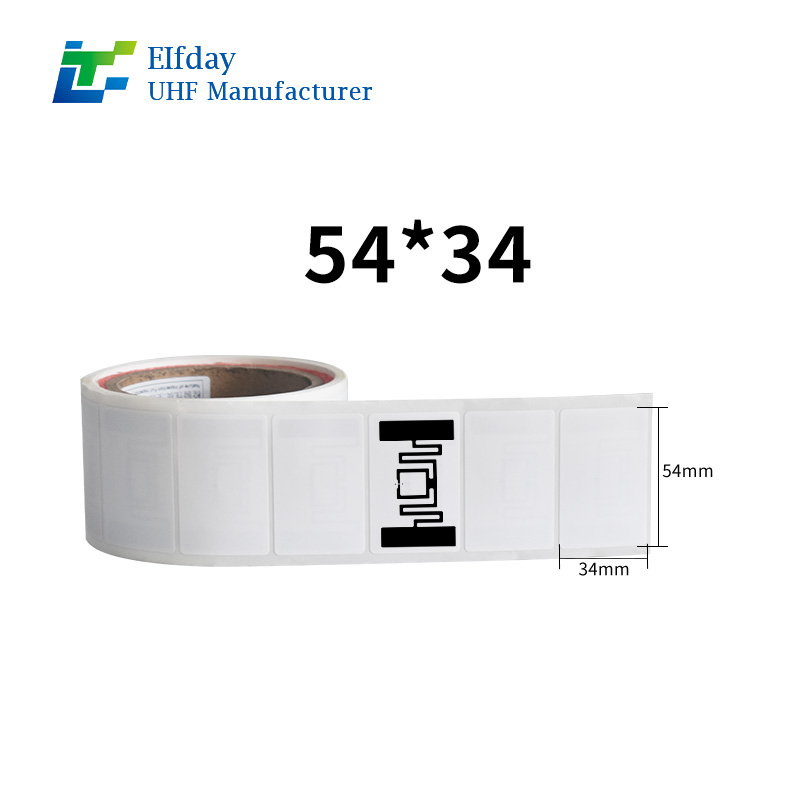
54× 34mmKU7 Passive UHF RFID Tag for Equipment Management, 915MHz Intelligent Tracking
$0.021
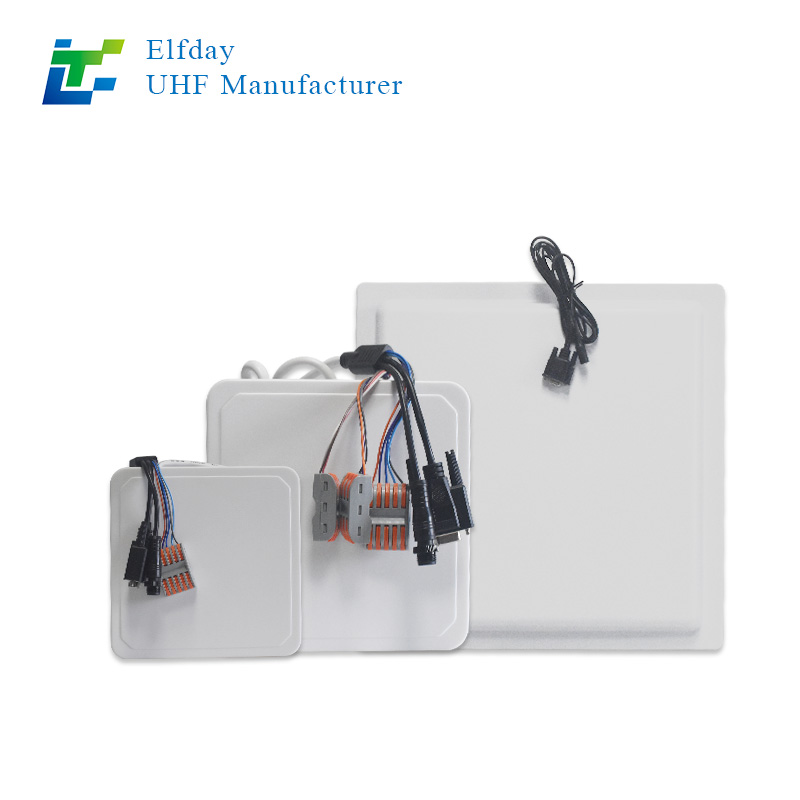
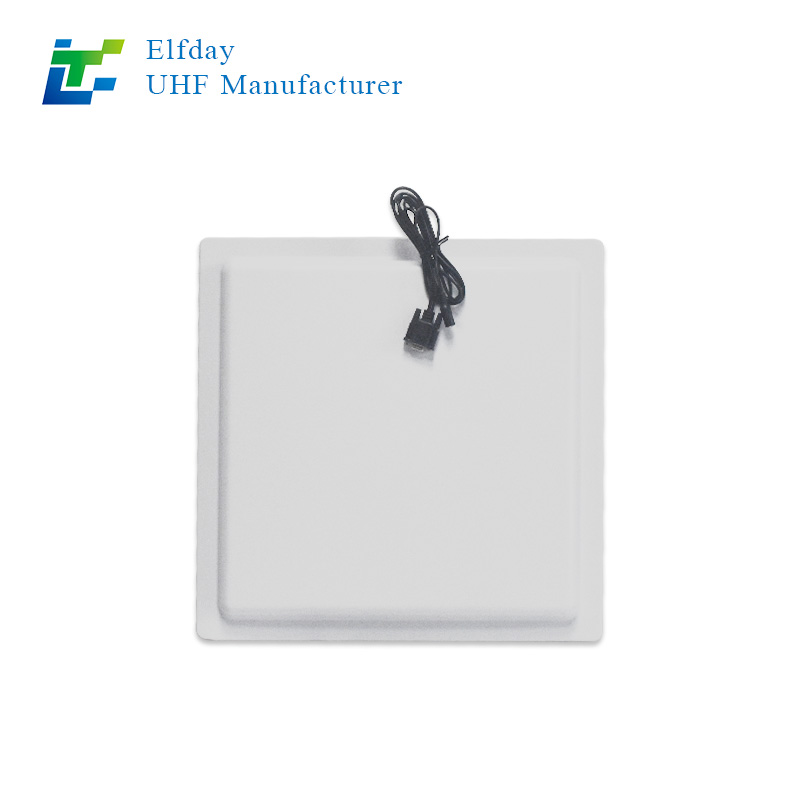
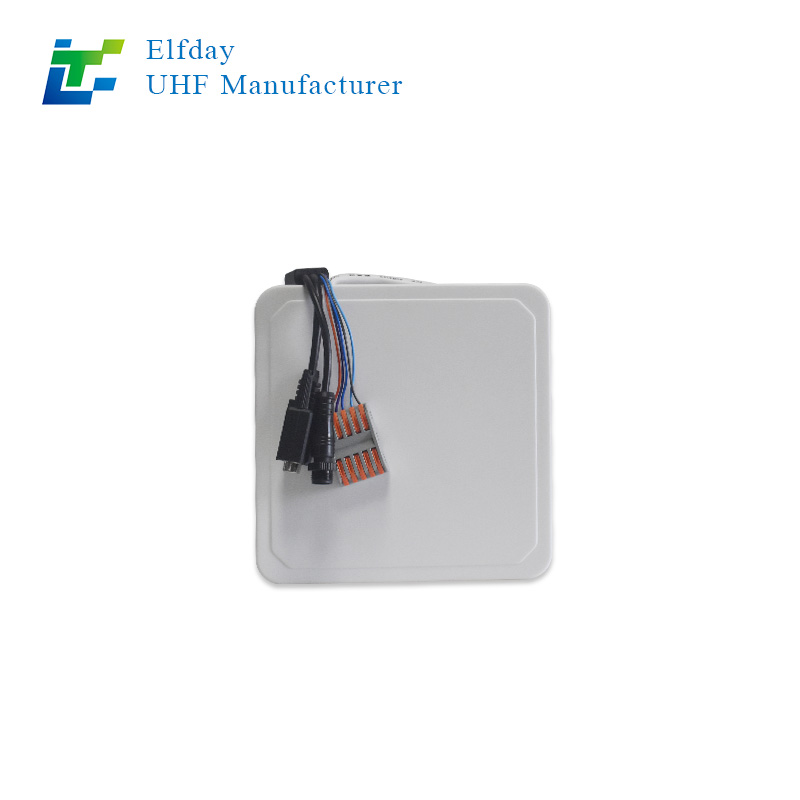
Long-Range 12m UHF RFID Reader for Industrial Inventory Management Systems

{{ product.price_format }}
{{ product.origin_price_format }}
Stock:
SKU:{{ product.sku }}
Model: {{ product.model }}
weight: {{ product.weight }} Kilogram

{{ variable.name }} : {{ variable.values[selectedVariantsIndex[variable_index]].name }}

{{ value.name }}

Quantity:

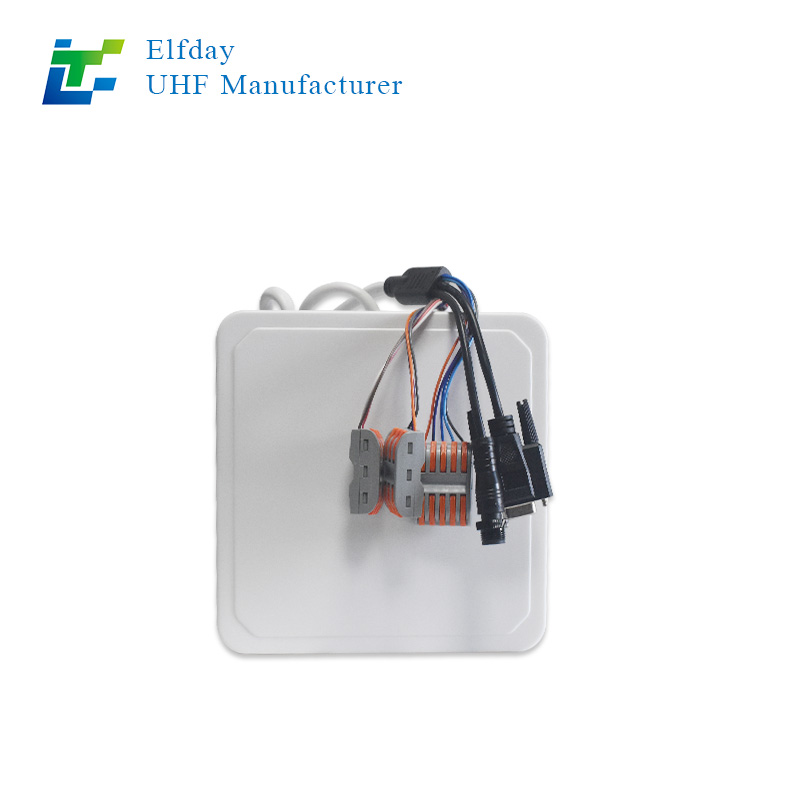
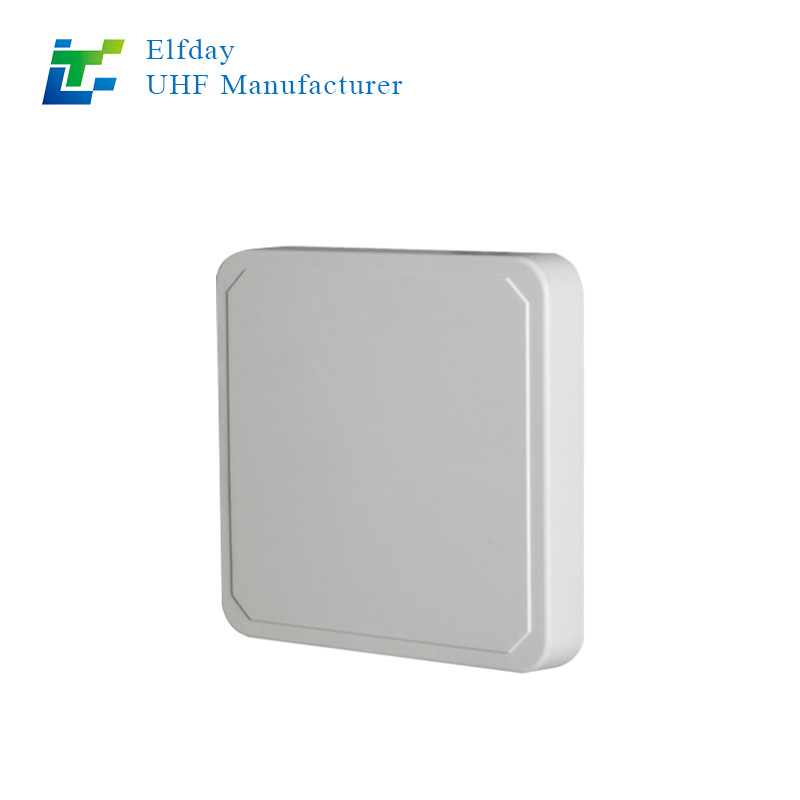
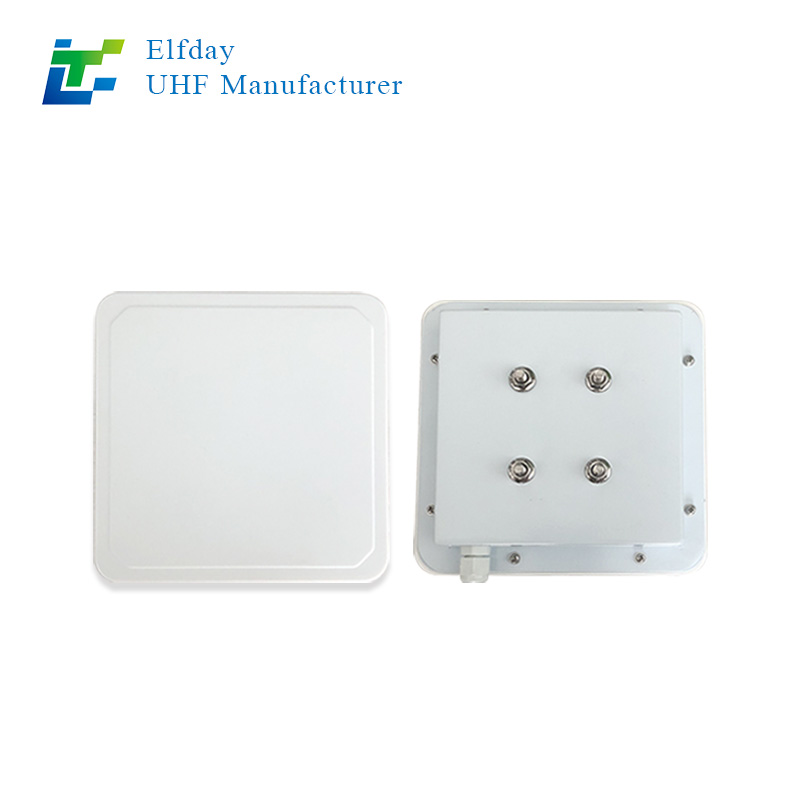
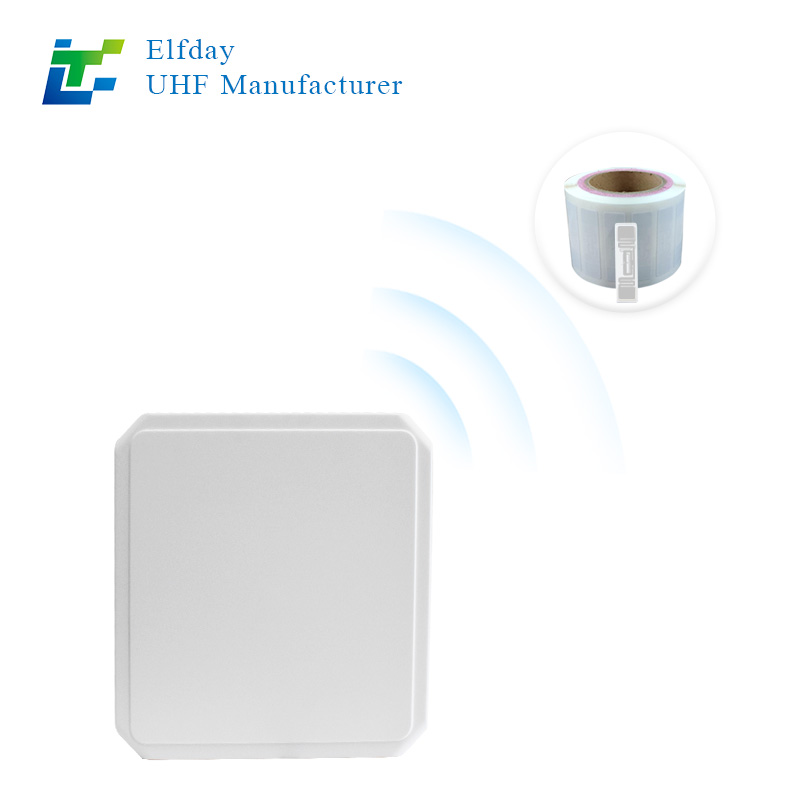
The LT-DS512 is a high-performance UHF electronic tag all-in-one machine. Based on the R2000 design, it fully supports electronic tags compliant with the EPC CLASS1G2 standard and features excellent multi-tag anti-collision functionality. Combined with proprietary high-efficiency signal processing algorithms, it achieves fast read and write processing of electronic tags while maintaining a high recognition rate. It can be widely used in various radio frequency identification (RFID) systems such as logistics, access control systems, anti-counterfeiting systems, and production process control.

FAQs:

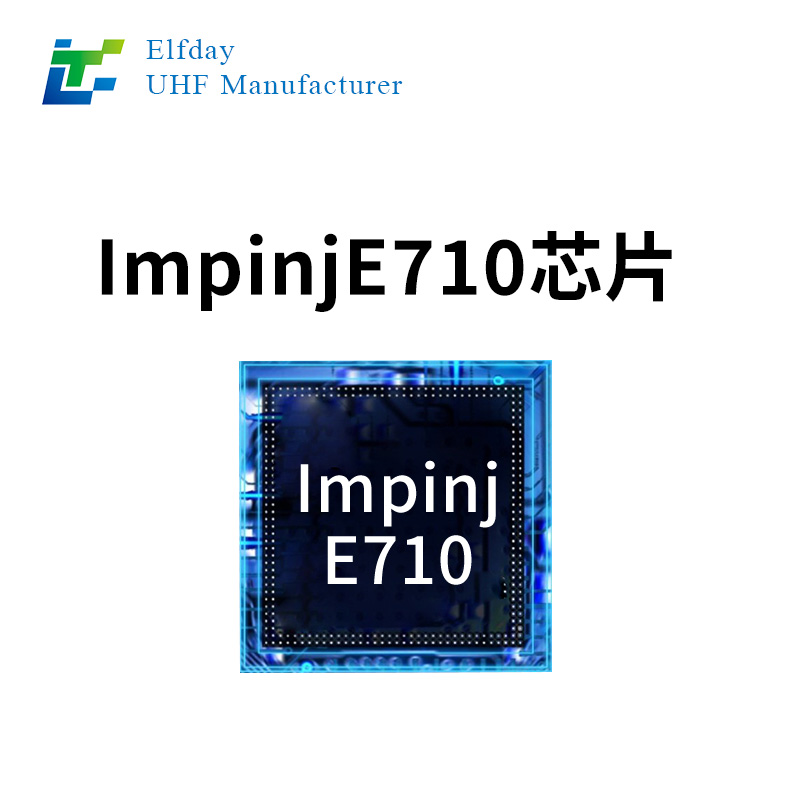
Which chip is being used?

IMPINJ E710 chip

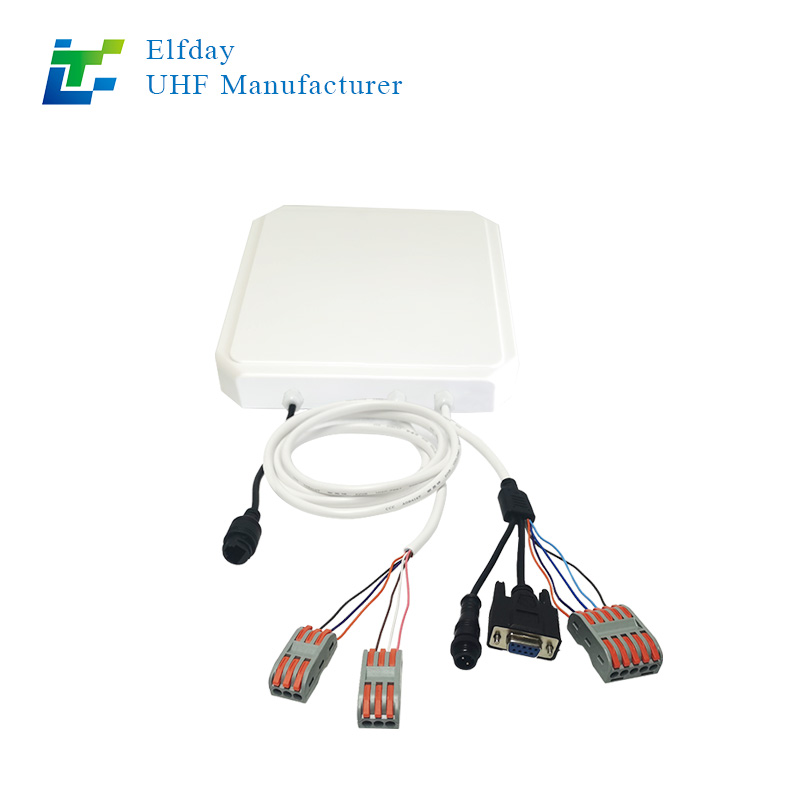
Which network interface is being used?

Support RS232, RS485, Wiegand, RJ45 andother user interfaces

What are the dimensions?

445*445*75mm

What is the operating frequency?

902-928 MHz(This can be adjusted according to the requirements of different countries or regions.)

What is the reading distance?

0~12 cm

What is the writing distance?

0.8 cm

What is the battery life?

With a low-power design and powered by a single +9V power supply, it can operate continuously for 24 hours a day, 365 days a year.

Can it be used in the logistics industry?

Yes, it is widely used in logistics, vehicle management, access control systems, anti-counterfeiting systems, and other fields.

How many RFID tags can be read at once?

Peak tag reading rate > 200 tags/second.

What are the operating modes?

Three operating modes can be freely switched via software:

Active Mode:The device remains in standby mode, waiting to read tags. When a tag enters the reading range, it immediately identifies and acquires the data.

Passive Mode:The device operates within an intranet and is connected to a local computer or microcontroller. When the device receives a query command from the host computer, it reads tags within range and uploads them to the local computer.

Trigger Mode:The device is in standby mode. When a tag passes through an external trigger, a high/low level (10) wakes the device to query the tag, and the data can be uploaded to the local computer.

Nginx server needs to configure pseudo-static rules, click View configuration method