








UHF RFID Tags for Asset Tracking in Data Centers
Did you know that a single server rack can house over $200,000 worth of equipment—and that most data centers still track this inventory with spreadsheets and clipboards?
In the high-stakes environment of a data center, inaccuracy isn't just an inconvenience; it’s a financial and security risk. If you are looking to eliminate ghost servers, prevent theft, and slash the time spent on manual audits, you need the power of automated identification. This guide explores how the right uhf rfid tag can transform your data center infrastructure management (DCIM) from a reactive headache into a proactive, real-time asset control system.
Why Data Centers Are Turning to UHF RFID
Traditional asset tracking methods—barcodes and manual data entry—are no longer viable at scale. They require line-of-sight, are prone to human error, and provide only a snapshot of location at the time of scanning. According to recent industry analyses, passive UHF RFID technology has become the cornerstone of modern asset tracking due to its long read range and ability to scan hundreds of tags simultaneously .
By deploying a uhf rfid tag on every server, router, switch, and even cable, data center managers gain the ability to perform a complete inventory in hours instead of weeks . This technology leverages radio waves to automatically identify assets without line of sight, updating their status in real-time as they move within the facility .
The Critical Challenge: Metal and Interference
One of the biggest hurdles in data center tracking is the environment itself. Server racks, blade chassis, and power supplies are all made of metal. Standard RFID labels often fail when applied directly to metal surfaces because the metal detunes the antenna, rendering the tag unreadable.
This is where specialized hardware comes into play. For accurate tracking, you need an uhf rfid tag designed specifically for on-metal use. These tags incorporate a specialized spacer or ferrite shielding layer that isolates the antenna from the metal surface, ensuring consistent read performance .
For instance, the Brady L-2588-25C is an example of an on-metal UHF RFID label equipped with an insulation layer to avoid interference, offering a read range of up to 3 meters and constructed with durable polyester to withstand the data center environment .
Types of UHF RFID Tags for Server Tracking
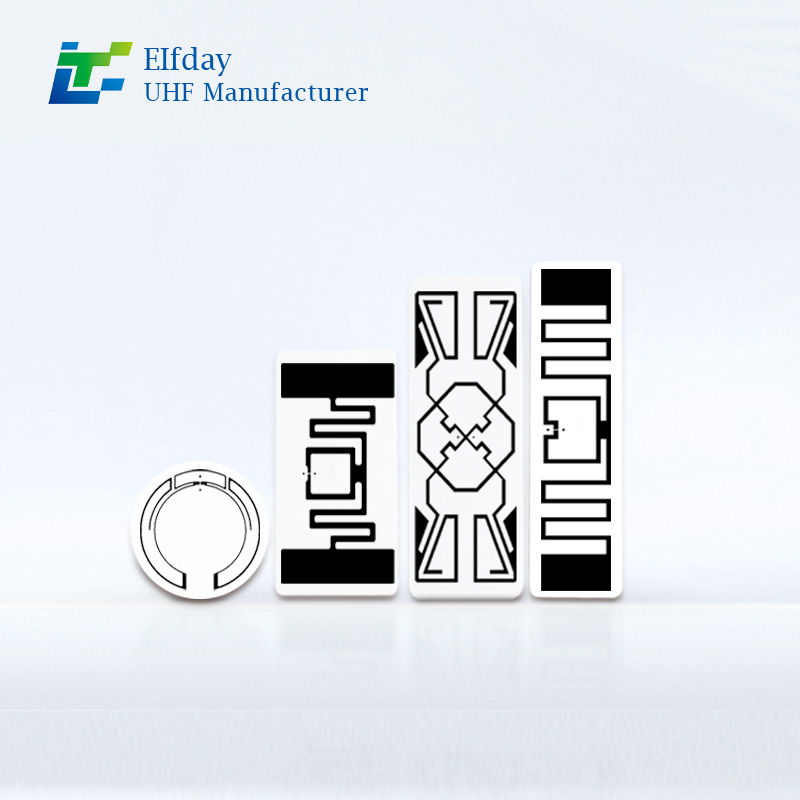
Not all tags are created equal. Choosing the right form factor is essential for both performance and durability. Here are the most common types of uhf rfid tag solutions used in data centers today:
1. On-Metal RFID Labels
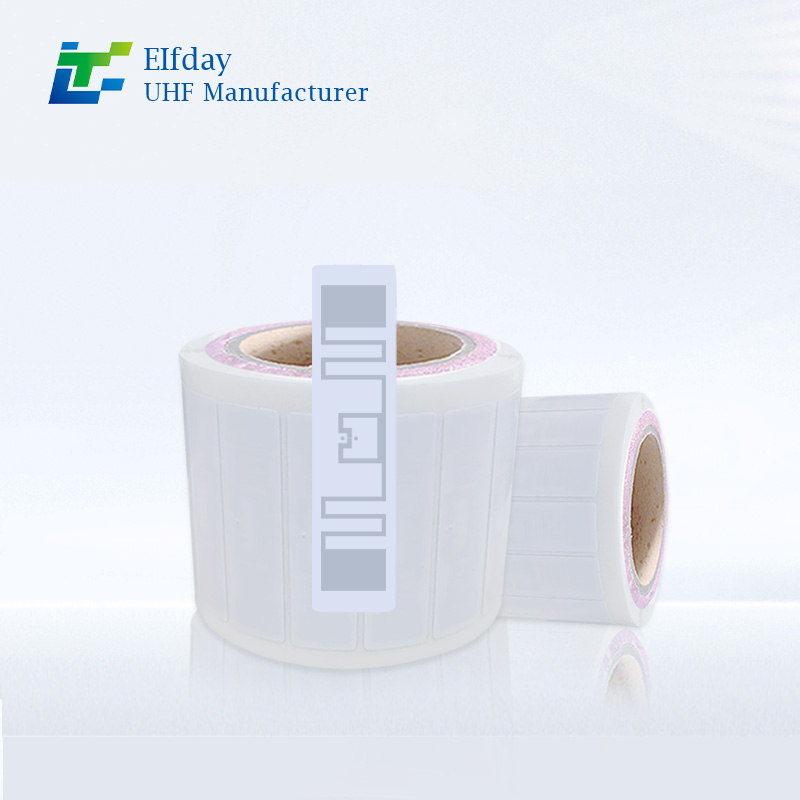
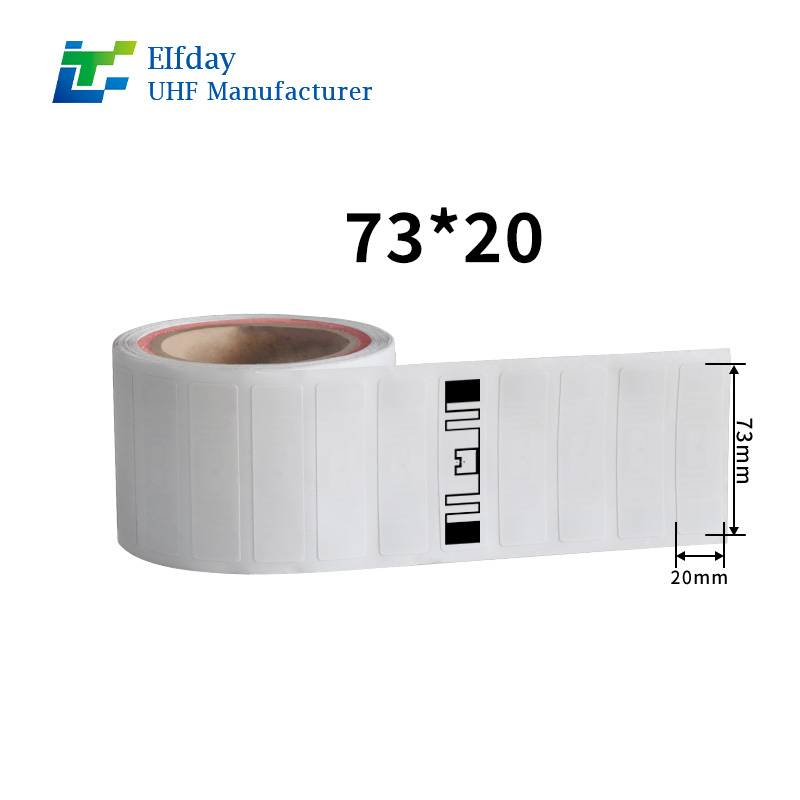
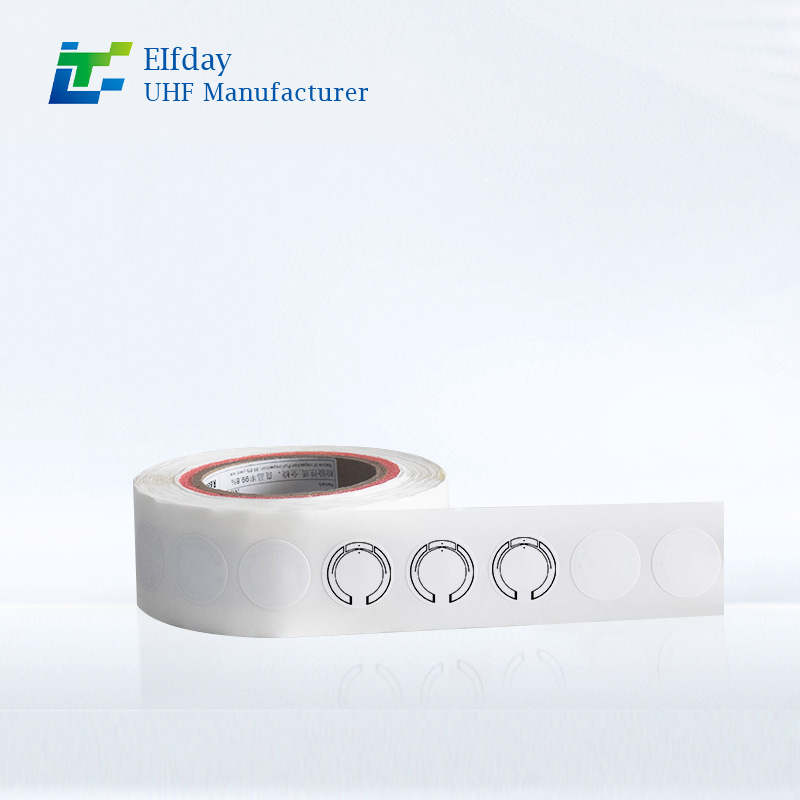
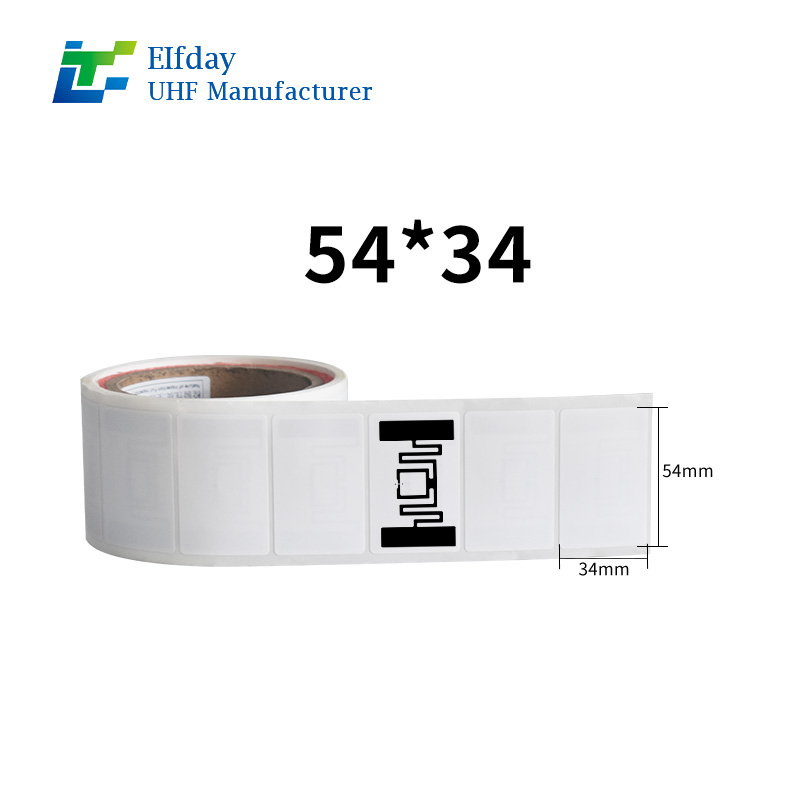
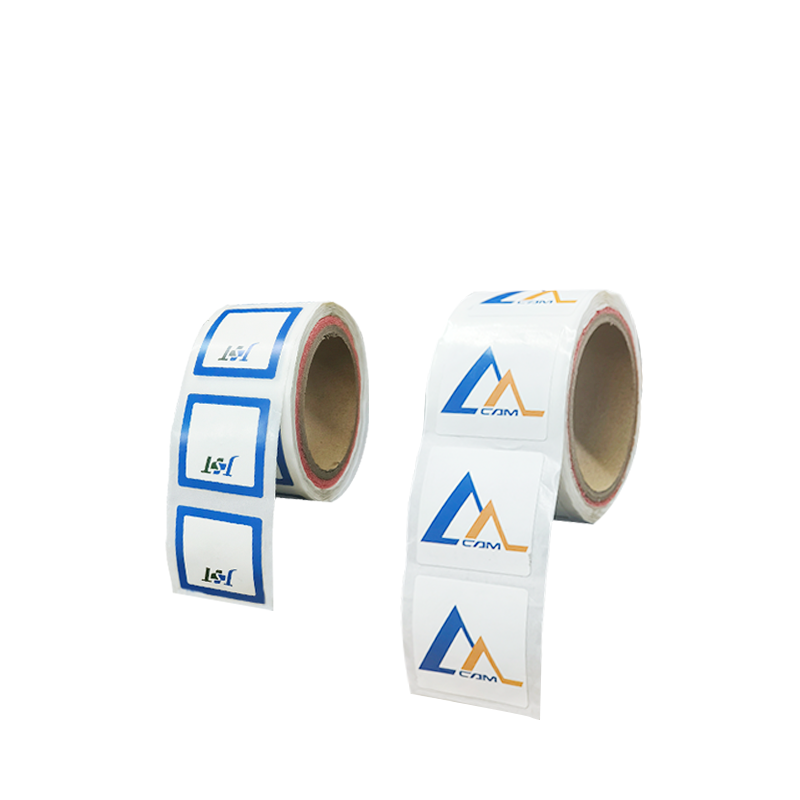
These are the workhorses of server tracking. They are thin, printable, and feature an adhesive backing that sticks directly to the metal frame of a server or the flat surface of a switch. They often come with a printable white surface, allowing you to combine barcodes and human-readable text with the RFID chip . This "dual-tech" approach ensures you can still visually identify the asset if necessary.
2. Flag Tags and Cable Tie Tags
Cables are notoriously difficult to track due to their shape and flexibility. A standard label won't wrap around a bundle of fiber optics or power cords effectively. For this, a cable tie uhf rfid tag (also known as a zip-tie tag) is ideal. These rugged tags loop around cables, pipes, or irregular shapes, providing tamper-evident and durable tracking for network infrastructure .
3. Rigid Hard Tags
For assets that are frequently moved or are located in high-traffic areas, a hard plastic encasement offers extra protection. These tags are shock-resistant and can be screw-mounted or riveted to larger assets like PDUs or cooling units to ensure they stay attached permanently .
Real-World Impact: Automated Inventory and Theft Prevention
Implementing a uhf rfid tag system automates the two most expensive manual processes in a data center: inventory audits and asset recovery.
Automated Audits:
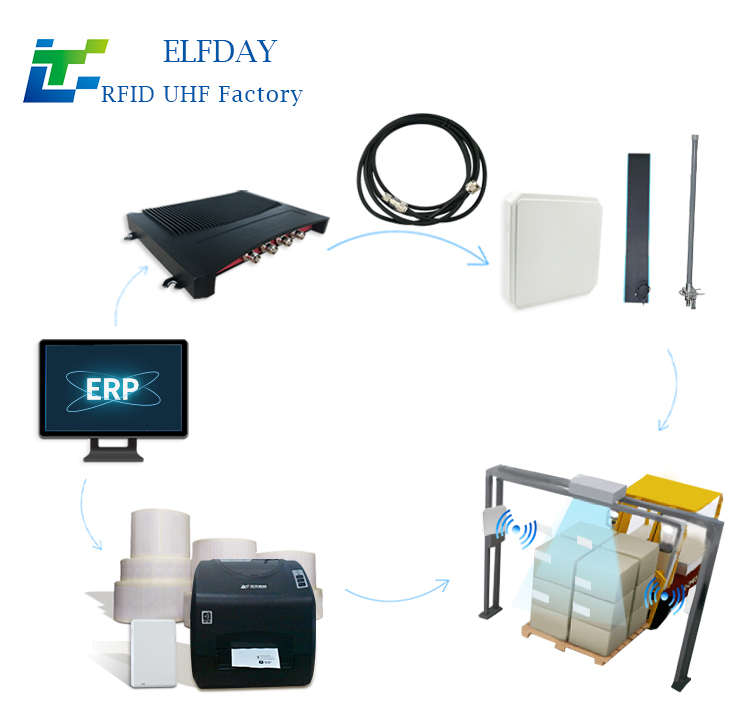
By installing fixed UHF RFID readers at the bottom of server racks (as seen in new solutions from EPC Solutions Taiwan), the system creates an RF field that constantly interrogates every tag in the cabinet. If an asset goes missing or is moved, the software instantly updates the inventory list . This turns a quarterly, weeks-long audit into a continuous, real-time process.
Exit Portal Control:
One of the biggest risks in data centers is internal theft or accidental removal. By installing reader antennas at exit doorways, any tagged asset leaving the secure zone is immediately detected. This triggers an alarm and creates a timestamped record, ensuring that equipment removal is always authorized and logged .
Key Buying Criteria: How to Choose Your UHF RFID Tag
If you are ready to purchase, keep these factors in mind to ensure you get the best uhf rfid tag for your investment:
Surface Compatibility: Ensure the tag is explicitly rated for "on-metal" use if attaching to servers. Using a generic tag will result in read failures .
Read Range: Determine if you need rack-level reads (1-3 meters) or portal-level reads (up to 10+ meters). For data centers, on-metal labels with a 3-meter range usually cover rack-to-aisle requirements .
Durability & IP Rating: Data centers are climate-controlled, but tags need to withstand heat dissipation. Look for polyester construction that resists chemicals and heat .
Encoding and Printing: Consider whether you need pre-encoded tags or if you will use an on-site RFID printer to encode and print labels on-demand as new assets arrive .
Compliance: Ensure the tag complies with UHF standards (EPCglobal Class 1 Gen 2 / ISO 18000-6C) to work with standard readers .
The Future is Passive
While active RFID and Real-Time Locating Systems (RTLS) offer precision, passive uhf rfid tag technology provides the best return on investment for asset inventory and loss prevention in data centers. It offers the "good enough" location data (specific rack or row) at a fraction of the cost of active tags, and with no batteries to replace .
Transitioning from manual tracking to automated RFID is no longer a luxury—it is a competitive necessity. By deploying the correct type of uhf rfid tag—whether it is an on-metal label for a server or a cable tie for network spaghetti—you can achieve 99%+ inventory accuracy, prevent theft, and free your IT staff for higher-value tasks .
Ready to secure your infrastructure?
Browse our selection of premium data-center-grade UHF RFID tags below. Whether you need rugged on-metal labels or versatile cable-tie tags, we have the solution to keep your assets visible and secure.
[Shop UHF RFID Tags for Data Centers]