








The Economic Impact of Implementing RFID Tags for Electronics
In electronics manufacturing, distribution, and asset management, inefficiency is a silent profit killer. For years, companies have relied on manual scanning, barcode systems, and periodic physical counts to track components, finished goods, and high‑value equipment. But as supply chains grow more complex and margins tighten, a growing number of industry leaders are adopting a smarter approach: RFID tags for electronics.
While any new technology requires an initial investment, the economic impact of implementing RFID tags for electronics extends far beyond the upfront cost. It reshapes operational efficiency, reduces waste, and creates a foundation for sustainable growth. This article explores the tangible financial and strategic benefits that make RFID an indispensable tool for modern electronics businesses.
1. The True Cost of Traditional Tracking
To appreciate the economic impact of RFID tags for electronics, it helps to first examine the hidden costs of legacy tracking methods. Many electronics companies still manage inventory and work‑in‑progress using:
Barcode scanning – requires line‑of‑sight and manual handling, slowing down workflows
Spreadsheet‑based logs – prone to human error and delayed updates
Quarterly or annual physical counts – cause production downtime and tie up labor
These methods lead to:
Inventory inaccuracy, resulting in stockouts, excess safety stock, and obsolete components
High labor hours spent on locating assets and reconciling discrepancies
Misplaced or lost equipment, especially for small, high‑value items like PCBs, semiconductors, and test tools
When RFID tags for electronics replace these outdated systems, the economic benefits begin immediately—not just in cost savings, but in the way teams work.
2. How RFID Tags for Electronics Drive Economic Value
2.1 Dramatic Labor Efficiency
One of the most immediate gains from deploying RFID tags for electronics is the reduction in manual labor. Unlike barcodes, which must be scanned one‑by‑one, RFID enables batch reading. A single employee can scan an entire pallet of electronic components or an entire shelf of assets in seconds, rather than minutes.
This shift frees skilled workers to focus on higher‑value tasks—quality control, process improvement, or customer support—rather than repetitive counting. The result is a more agile workforce and a significant reduction in non‑productive labor hours.
2.2 Optimized Inventory Levels
Inaccurate inventory data forces companies to carry excess safety stock “just in case.” With real‑time visibility provided by RFID tags for electronics, organizations can:
Reduce safety stock without risking shortages
Minimize obsolete inventory that ties up working capital
Right‑size warehouse space, sometimes even deferring expensive expansions
This leaner approach to inventory management improves cash flow and reduces waste across the supply chain.
2.3 Minimized Shrinkage and Loss
Electronics are among the most frequently misplaced or misappropriated assets. Because RFID tags for electronics can be embedded directly onto circuit boards or attached to high‑value components, they enable continuous tracking from receiving through final shipment.
When an item moves, the system knows. Lost tools, misplaced prototypes, and unauthorized removals are dramatically reduced, preserving valuable assets that would otherwise have to be repurchased.
3. Productivity Gains Across the Organization
Beyond direct cost avoidance, the economic impact of RFID tags for electronics is amplified through productivity improvements that touch every department.
3.1 Manufacturing Throughput
On the production floor, RFID tags for electronics enable real‑time work‑in‑progress (WIP) tracking. Manufacturers gain visibility into:
Exactly where each component or assembly is in the production process
Bottlenecks that slow down throughput
Quality checkpoints that may need additional resources
This visibility allows managers to make data‑driven adjustments, often increasing throughput without adding headcount or equipment.
3.2 Faster Receiving and Shipping
In distribution centers, RFID‑enabled receiving docks process inbound shipments many times faster than manual scanning. When RFID tags for electronics are applied at the component or case level, receiving accuracy approaches 100%, eliminating costly invoice discrepancies and chargeback disputes.
Similarly, outbound shipping accuracy improves, reducing returns and enhancing customer satisfaction.
3.3 Enhanced Asset Utilization
For companies managing expensive test equipment, tooling, or IT assets, RFID tags for electronics provide instant location information. Instead of purchasing duplicate equipment because a critical tool cannot be found, teams can locate assets in seconds, maximizing utilization rates and avoiding unnecessary capital expenditures.
4. A Clear Path to Return on Investment
The decision to implement RFID tags for electronics is often evaluated through the lens of return on investment. While the exact payback period varies by scale and application, most organizations see a compelling case built on:
Reduced labor costs from automated counting and auditing
Lower inventory carrying costs through optimized stock levels
Decreased shrinkage and improved asset recovery
Higher throughput without additional labor or equipment
Fewer chargebacks and invoice disputes due to perfect receiving accuracy
For many electronics companies, the investment in RFID tags for electronics pays back within a year or two, with benefits continuing to grow as the system scales.
5. Real‑World Impact: Examples Across the Electronics Industry
Electronics Contract Manufacturer
A contract manufacturer producing PCBs for medical devices deployed RFID tags for electronics to track tens of thousands of work‑in‑progress units. The result was a dramatic improvement in workflow visibility, a significant reduction in rework costs due to better traceability, and a strong return on investment realized in less than two years.
Data Center Asset Management
A global data center operator used RFID tags for electronics to track servers, switches, and storage devices across multiple facilities. They achieved near‑perfect inventory accuracy, reduced audit times by more than half, and avoided the cost of repurchasing assets that were previously considered lost.
Consumer Electronics Retailer
A major retailer embedded RFID tags for electronics into high‑value products such as headphones and smart devices. Shrinkage dropped substantially, and out‑of‑stock incidents decreased significantly, directly boosting revenue and improving the customer experience.
6. Strategic Advantages Beyond Cost Savings
While the direct economic impact of RFID tags for electronics is powerful, the strategic benefits further strengthen the business case:
Customer Trust: Accurate inventory means reliable fulfillment and fewer backorders.
Regulatory Compliance: Industries such as medical devices, aerospace, and automotive require strict traceability—RFID simplifies compliance audits.
Sustainability: By reducing waste from obsolete inventory and optimizing logistics, RFID supports corporate sustainability goals.
Scalability: As businesses grow, RFID infrastructure scales without a proportional increase in labor costs.
7. Getting Started with RFID Tags for Electronics
For organizations ready to capture the economic benefits of RFID tags for electronics, a phased approach works best:
Start with a Pilot
Choose a single production line, warehouse zone, or high‑value asset category to prove the concept and measure results.
Select the Right Tag Type
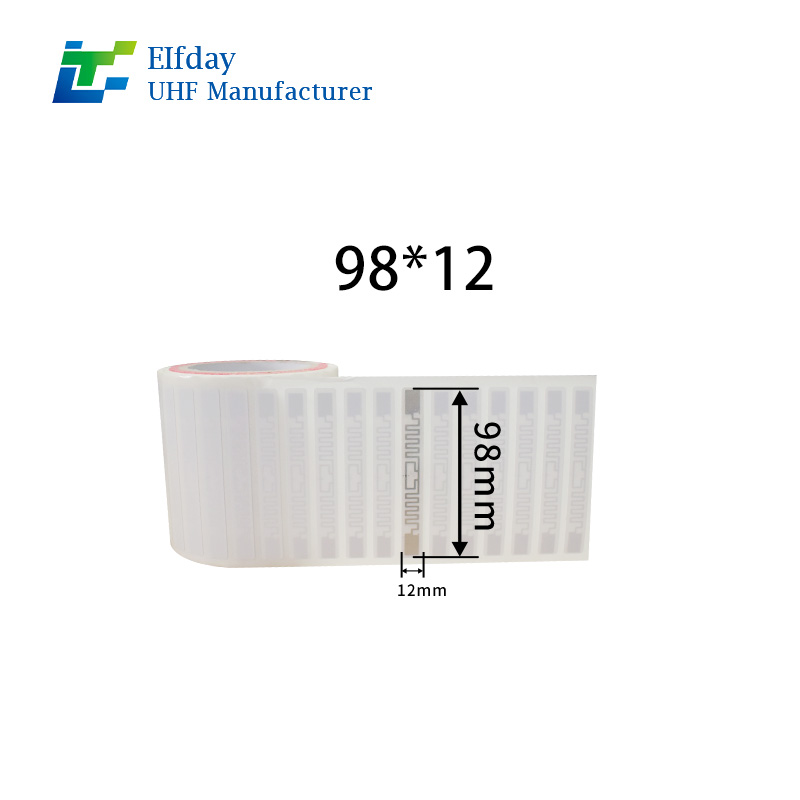
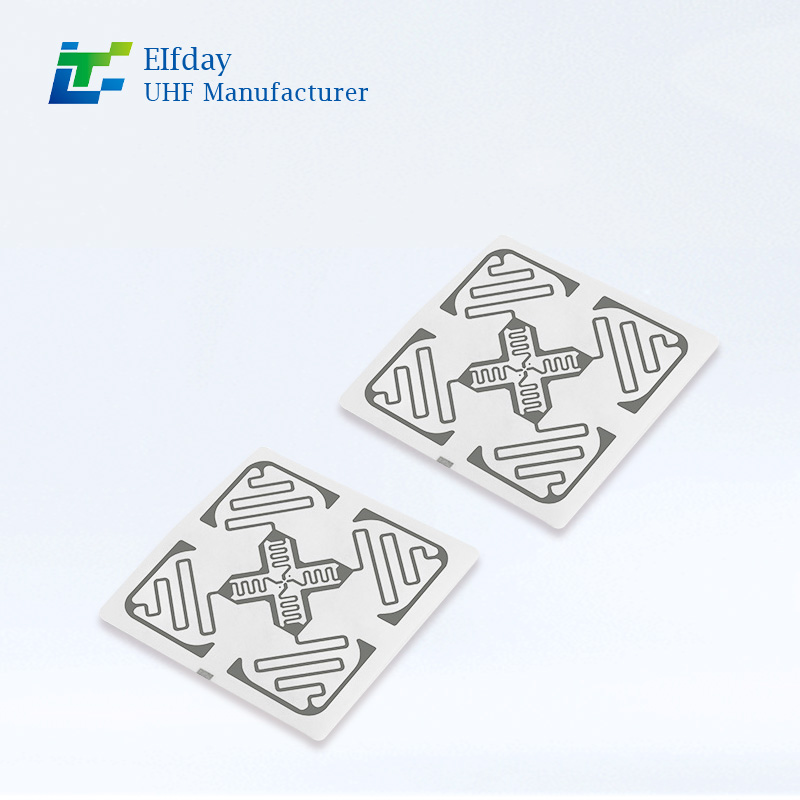
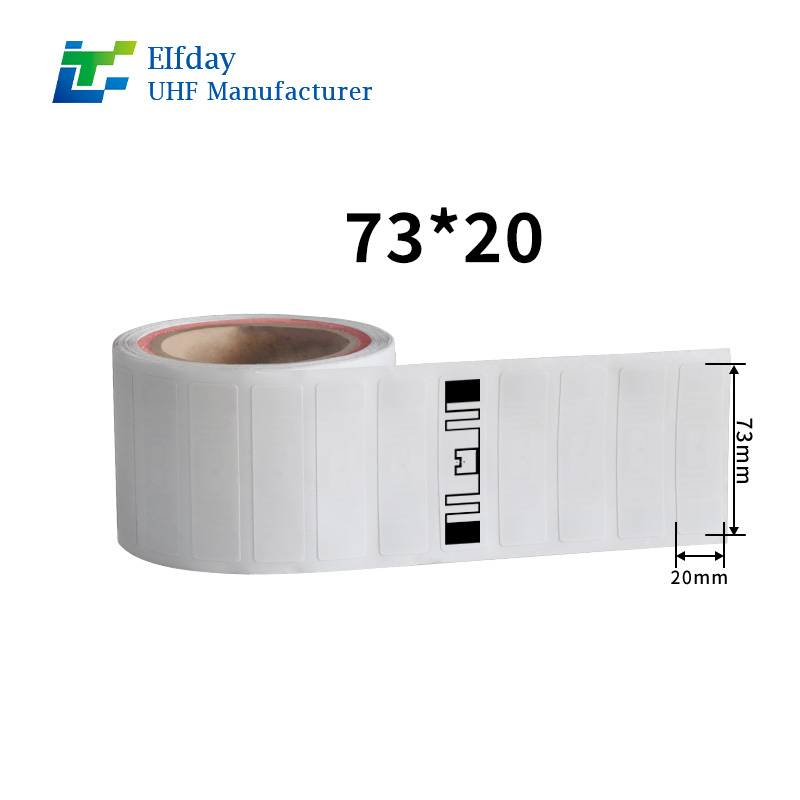
For electronics, consider on‑metal RFID tags for components with metallic surfaces, high‑temperature tags for solder reflow processes, and ultra‑small tags for space‑constrained PCBs.
Integrate with Existing Systems
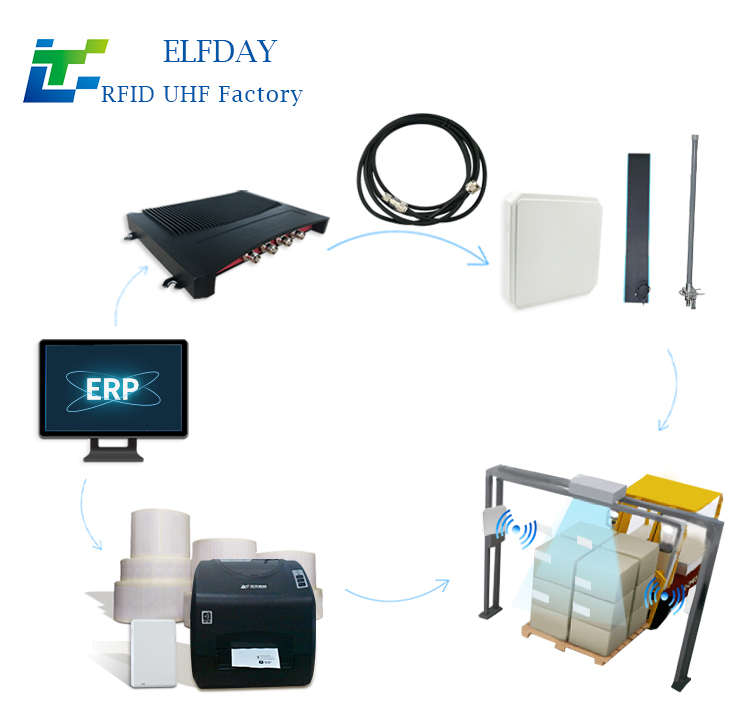
Ensure RFID data flows into your ERP or warehouse management system. Real‑time visibility is only valuable if it informs decision‑making.
Train Your Team
Empower employees to use RFID tools effectively. When teams understand how RFID simplifies their work, adoption accelerates.
Measure and Scale
Track key metrics such as labor hours, inventory accuracy, cycle count time, and shrinkage. Use pilot results to build the business case for full‑scale deployment.
A Smarter Investment for a Competitive Edge
The question is no longer whether RFID technology delivers economic value—it is how quickly your organization can begin realizing the impact of RFID tags for electronics. From labor efficiency and inventory optimization to shrinkage reduction and enhanced asset utilization, the benefits are substantial and well‑documented.
In an industry where precision, speed, and traceability are paramount, RFID tags for electronics offer a proven path to operational excellence and long‑term profitability. Whether you are a manufacturer, distributor, or asset‑intensive enterprise, RFID can transform the way you work and compete.
Ready to explore how RFID tags for electronics can benefit your operation? Contact our team to discuss a pilot program tailored to your specific application and facility.