








Solving the Patient Misidentification Crisis with RFID Tags for Patient Tracking
It happens more often than most people outside healthcare realize. A nurse reaches for a medication vial, glances at the wristband, and administers a dose meant for the patient in the next bed. A lab technician draws blood from the wrong arm because the identification band was swapped during transport. A newborn is nearly brought to the wrong mother after a bath.
These are not hypothetical scenarios. They are real events that occur in hospitals around the world every single day. Patient misidentification has been called the most persistent and dangerous problem in modern healthcare. And despite decades of checklists, color‑coded wristbands, and staff training, the problem persists.
What if the solution was not about asking clinicians to do more, but about building a system that makes misidentification nearly impossible? That is exactly what RFID tags for patient tracking offer when implemented with intention.
The Scale of the Problem
To understand why RFID tags for patient tracking are so critical, it helps to grasp the scale of the misidentification crisis. Studies suggest that misidentification errors occur in as many as one out of every ten patient encounters in some settings. These errors cascade into medication mistakes, transfusion reactions, wrong‑site surgeries, and diagnostic delays.
The most troubling part is that these errors are rarely caused by carelessness. Healthcare workers operate under intense pressure, managing multiple patients, constant interruptions, and complex information systems. A wristband that looks similar to another, a patient who has been moved to a different room, or a simple moment of fatigue can lead to a lapse.
Traditional safeguards rely on human vigilance. Barcodes must be scanned. Wristbands must be visually checked. Two identifiers must be verbally confirmed. All of these steps work when followed perfectly. But healthcare is not a perfect environment, and relying solely on human consistency leaves a gap that errors inevitably find.
How RFID Tags for Patient Tracking Change the Equation
RFID tags for patient tracking introduce a fundamentally different approach. Instead of requiring staff to actively verify identity at every touchpoint, they enable continuous, automatic identification throughout the patient’s entire stay.
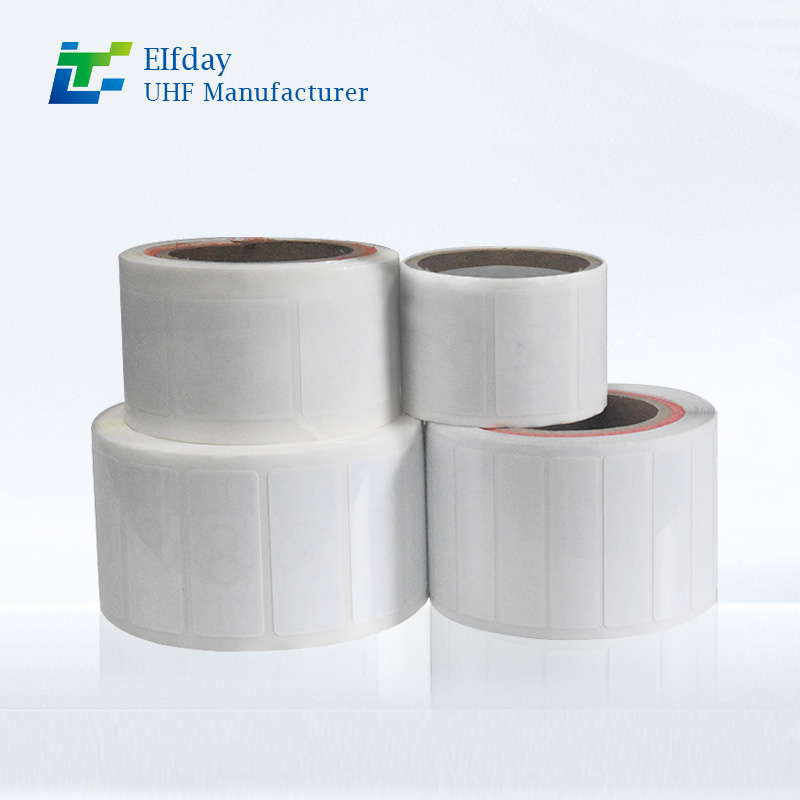
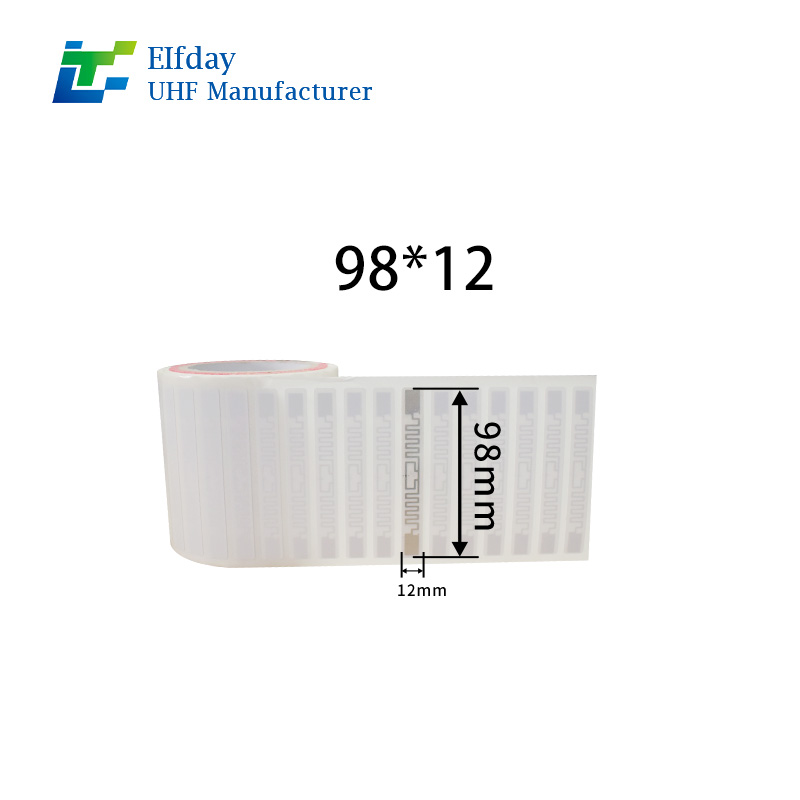
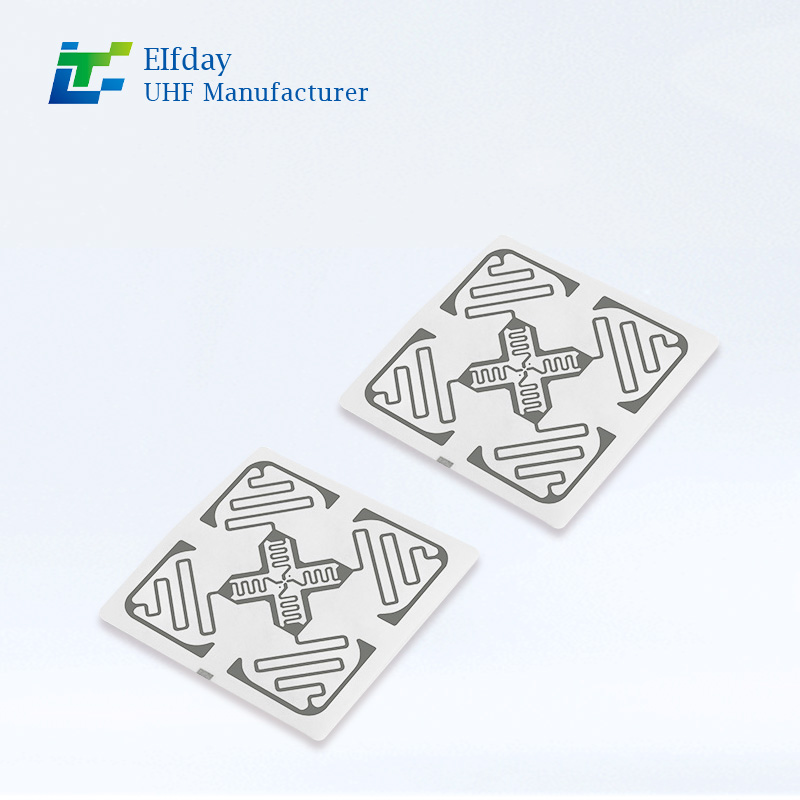
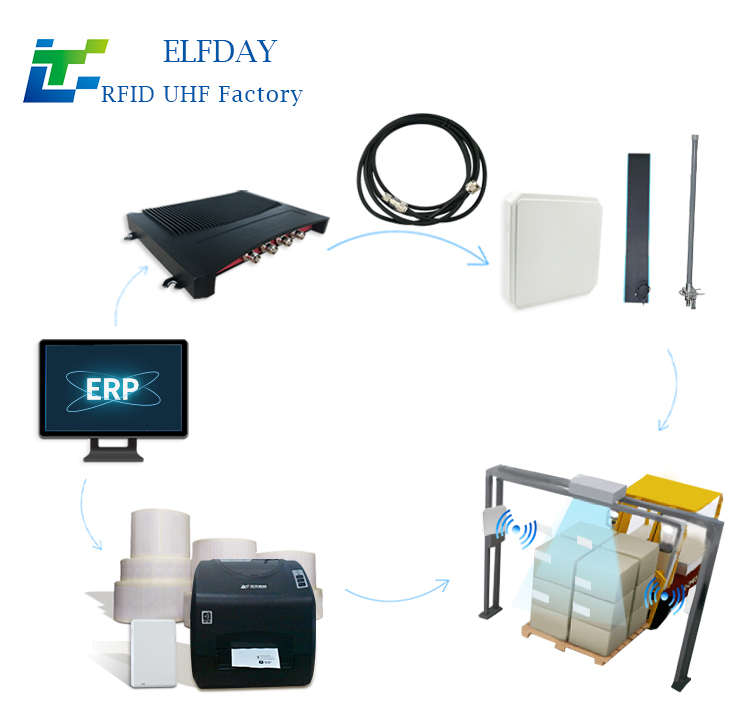
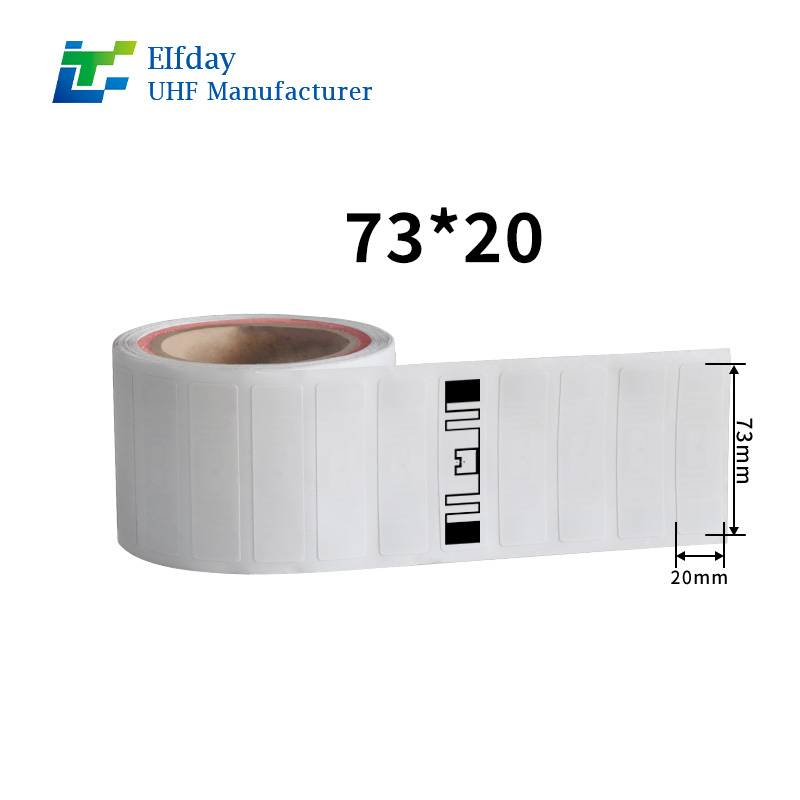
The concept is straightforward. A patient wears a wristband embedded with an RFID tag. That tag contains a unique identifier linked directly to their electronic health record. Throughout the facility, strategically placed readers pick up the tag’s signal. The system always knows who the patient is, where they are, and—critically—whether they match the location or treatment they are about to receive.
When a medication is prepared, the system can verify that the patient in the bed matches the medication order before the nurse even enters the room. When a patient is transported to radiology, the system confirms they are the correct individual for the scheduled procedure. When an infant is moved from the nursery to the mother’s room, the system ensures the match is correct.
The human element remains essential. Nurses and doctors still exercise their clinical judgment. But RFID tags for patient tracking act as a persistent, tireless backup—a second set of eyes that never blinks, never gets distracted, and never assumes.
Beyond the Wristband: Active Identification at Critical Moments
One of the most powerful aspects of RFID technology is that it does not wait for someone to initiate a check. It works continuously in the background.
Consider a busy emergency department. Patients arrive, are triaged, and often moved between bays, hallways, and imaging suites multiple times before admission. Manually tracking who is where—and ensuring that the right care reaches the right person—is a logistical challenge. With RFID tags for patient tracking, the system knows the moment a patient enters a trauma bay, the moment they leave for CT, and the moment they return. Medication orders can be routed to the correct location. Blood transfusions can be verified against the patient’s identity without requiring a separate barcode scan at the bedside.
In surgical settings, the stakes are even higher. A patient being prepared for surgery undergoes multiple handoffs: from the floor to pre‑op, from pre‑op to the operating room, from the OR to recovery. Each handoff is a potential point of failure. RFID tags for patient tracking can automate verification at each stage, ensuring that the surgical consent matches the patient, the procedure matches the scheduled case, and the recovery bed is reserved for the right individual.
In maternity wards, where misidentification carries heartbreaking consequences, RFID systems can create secure zones that prevent infants from being moved without authorized staff, and automatically match newborns to mothers the moment they are brought together.
What Makes RFID More Reliable Than Manual Processes
It is worth asking: why is RFID more effective than barcodes or visual checks? The answer lies in the nature of the technology itself.
Barcode scanning requires an intentional act. The wristband must be positioned correctly. The scanner must be aimed. The system must be online. If any part of that chain breaks—if the wristband is twisted, if the scanner battery is low, if the nurse is in a hurry—the check may be skipped or performed incorrectly.
RFID tags for patient tracking require no line of sight. The tag can be read through clothing, bedding, or blankets. It works without any action from the clinician at the moment of care. This means the verification happens automatically, every time, without adding another step to an already crowded workflow.
Additionally, RFID tags are far more durable than printed barcodes. They do not fade, smudge, or become unreadable after exposure to water, soap, or sanitizer. A patient can shower, receive wound care, or be transported across the facility, and the tag remains functional and accurate throughout.
Building a Culture of Safety with Real‑Time Visibility
Beyond preventing individual errors, RFID tags for patient tracking contribute to a broader culture of safety. When staff know that the system is continuously verifying identities, they can focus more attention on clinical care and less on administrative checks. The technology becomes a safety net, not an obstacle.
Real‑time location data also enables new safety protocols. For example, if a patient with a known allergy is approaching an area where that allergen is present, the system can generate an alert. If a patient who requires fall precautions gets out of bed and does not return within a safe timeframe, the system can notify the care team. If a patient is scheduled for a test on the third floor but their tag indicates they are still in the cafeteria, the team can follow up before the delay causes a cascade of scheduling problems.
These capabilities go far beyond simple identification. They transform RFID tags for patient tracking into a platform for proactive risk management.
The Patient Experience Matters Too
There is another dimension to this that is often overlooked: how patients experience safety efforts. No one wants to feel like a barcode being scanned. Being asked repeatedly to state their name and date of birth—sometimes multiple times in a single hour—can feel impersonal and even unsettling.
When RFID tags for patient tracking handle identification quietly in the background, the patient experiences a smoother, less intrusive interaction with the care team. Nurses and doctors can focus on conversation, explanation, and comfort rather than administrative verification steps. The care feels more human even as the technology works to make it safer.
Family members also gain peace of mind. Knowing that their loved one is continuously monitored and that identity verification is automatic rather than reliant on busy staff reduces anxiety, especially in settings like intensive care, pediatrics, or memory care units.
From Crisis to Control
The patient misidentification crisis has persisted for so long partly because the solutions have demanded too much of an already stretched workforce. Adding more checklists, more barcode scans, and more documentation requirements does not eliminate error—it simply moves it to another point in the process.
RFID tags for patient tracking represent a different philosophy. They use automation to handle the repetitive, high‑stakes task of identity verification, freeing clinical staff to do what they do best: deliver thoughtful, attentive care. The technology does not replace human judgment; it supports it, providing a continuous layer of verification that works tirelessly behind the scenes.
For healthcare organizations that have struggled with misidentification errors—whether through reported incidents, near misses, or the quiet anxiety that comes from knowing the current system is not foolproof—RFID offers a path forward. It is a solution that addresses the root of the problem rather than adding another layer of process on top of it.
Taking the First Step
Moving to an RFID‑based patient identification system does not require tearing down existing workflows. Many organizations start with a pilot on a single unit—often the emergency department, maternity ward, or a surgical floor where the risks of misidentification are highest. From there, they expand based on the results they see: fewer manual identification steps, faster workflows, and—most importantly—a measurable reduction in misidentification events.
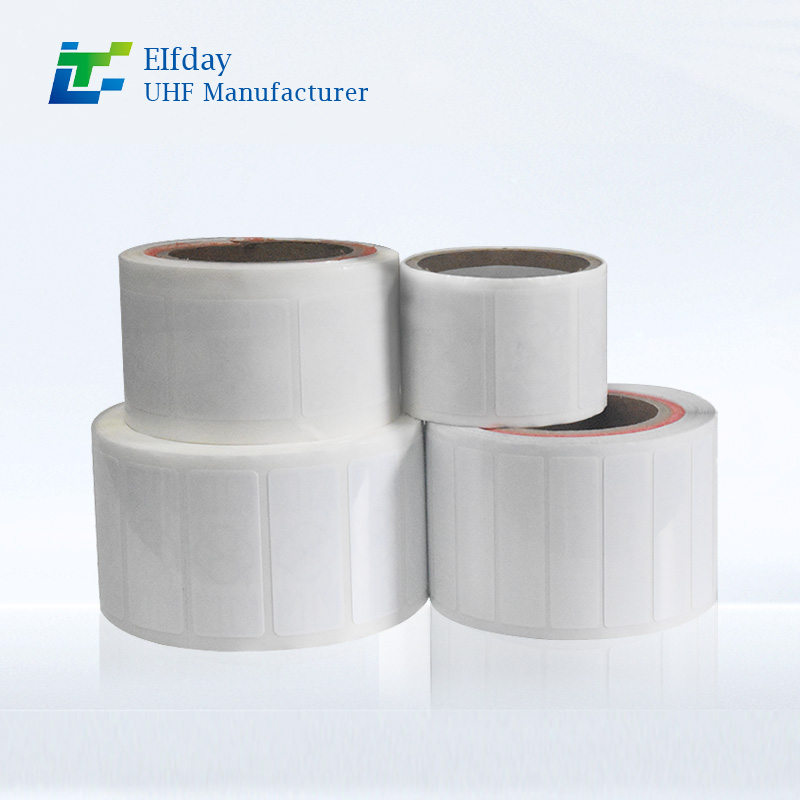
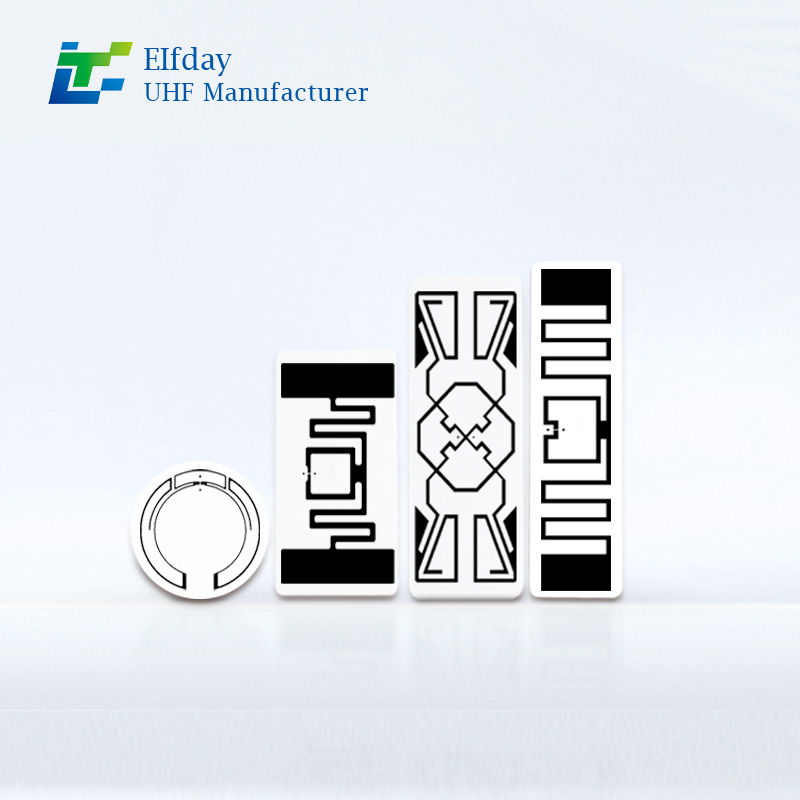
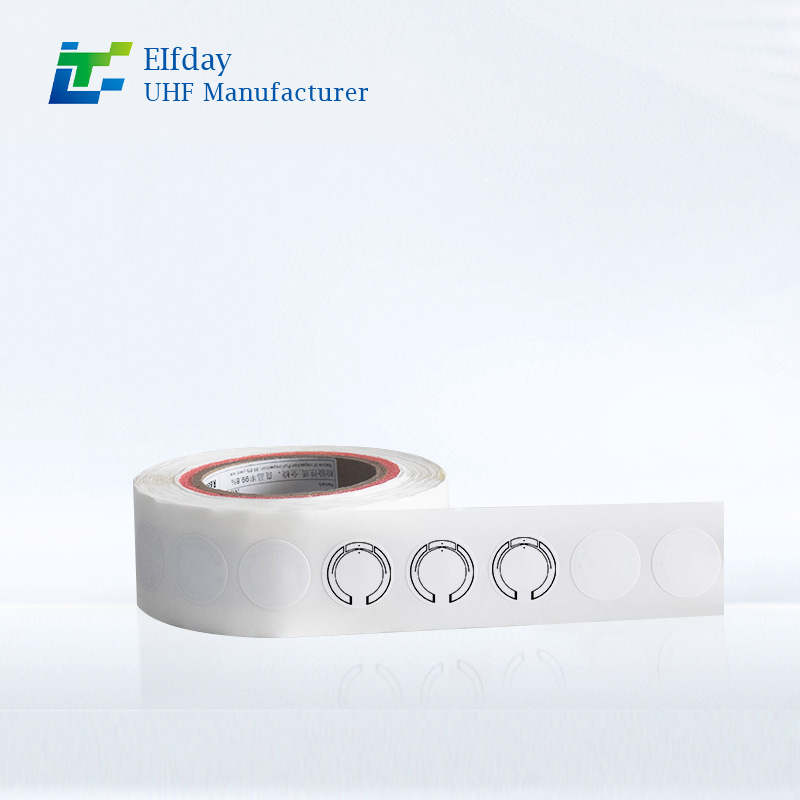
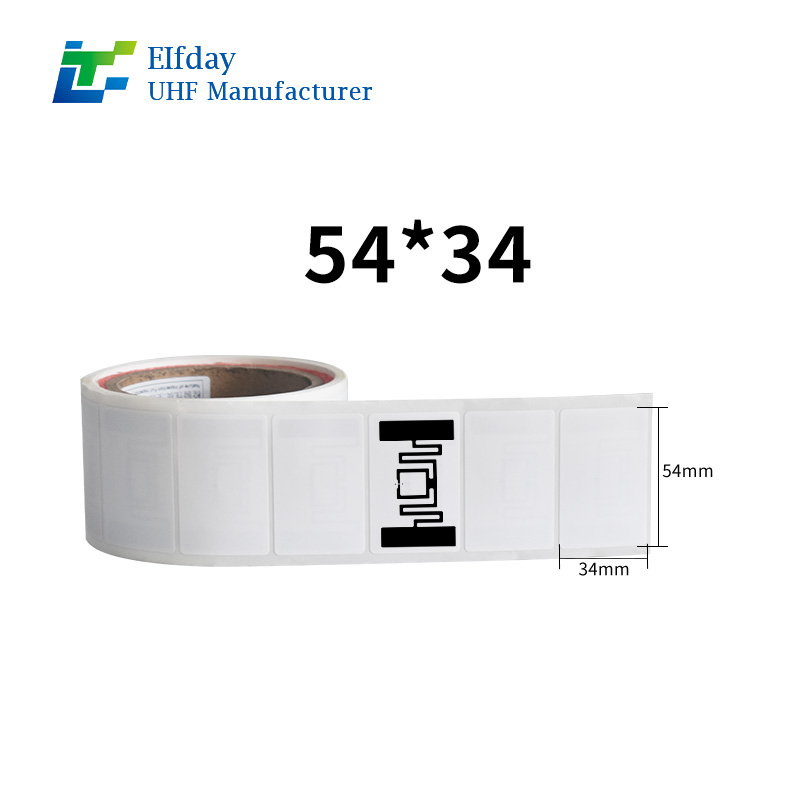
The technology itself has matured significantly in recent years. Modern RFID tags for patient tracking are lightweight, comfortable to wear, and available in disposable or reusable formats to suit different clinical settings. They integrate with existing electronic health records, so the identification data flows directly into the systems clinicians already use.
What makes the difference is not the technology alone, but the decision to prioritize patient identification as a foundational safety issue and to invest in a solution that works with clinical staff rather than against them.
A Safer Standard of Care
No one enters healthcare expecting to contribute to a misidentification error. But the systems that clinicians work within often set them up for failure. Fragmented information, overlapping responsibilities, and the sheer pace of modern care create conditions where even the most diligent professional can make a mistake.
RFID tags for patient tracking change those conditions. They provide continuous, automatic verification that reduces reliance on fallible manual processes. They give staff confidence that when they reach a bedside, the patient before them is the patient they intend to treat. They offer patients and families reassurance that the safety systems around them are as robust as the clinical expertise of the care team.
The misidentification crisis has persisted too long. It has caused harm that was entirely preventable and eroded trust in systems that should be the safest places in any community. Solving it does not require a miracle. It requires a commitment to using the tools available—tools like RFID tags for patient tracking—to build a standard of care where the right patient receives the right care at the right time, every time.